You Won’t Believe What Luxembourg City’s Festivals Are Hiding
When I first stepped into Luxembourg City, I expected charm—cobblestone streets, fairy-tale castles, quiet European elegance. But the real surprise? Its electric festival culture. From open-air music echoing through ancient fortresses to food feasts in hidden courtyards, this city pulses with life during its seasonal celebrations. I never thought a place so compact could pack such vibrant energy. Let me take you behind the scenes of a side of Luxembourg most travelers completely miss.
The Unexpected Heartbeat of a Quiet Capital
Luxembourg City, often described as a serene capital nestled between lush valleys and towering cliffs, reveals a completely different character when its festival season begins. By day, it may appear tranquil—its winding alleys quiet, its historic squares filled with the soft murmur of café conversations. But as evening falls and seasonal events unfold, the city transforms into a stage for music, color, and communal joy. This duality is precisely what makes Luxembourg’s festival scene so captivating: the contrast between its dignified heritage and its dynamic, modern celebrations.
The heartbeat of this transformation can be felt most strongly in the city’s central spaces. Place Guillaume II, commonly known as the Knuedler, becomes a hub of activity during major festivals. Once a marketplace and political gathering spot, it now hosts open-air concerts, cultural exhibitions, and seasonal markets. In summer, strings of lights crisscross the square, tables spill onto the pavement, and the scent of grilled sausages and mulled wine drifts through the air. The surrounding buildings—some dating back centuries—frame the festivities like silent witnesses to a joyful rebirth.
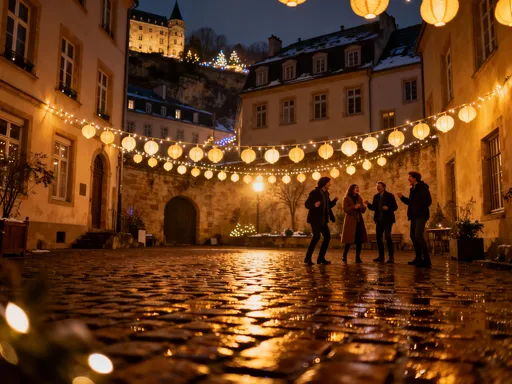
Equally striking is the transformation of the Grund district, a picturesque neighborhood at the base of the Bock promontory. Known for its ivy-covered houses and views of the Alzette River, the Grund takes on a magical quality during events like the Blues’n’Jazz Rallye or the Winterlights Festival. Stone archways and narrow staircases become backdrops for live performances, while lanterns and illuminated installations guide visitors through intimate alleyways. The blend of old and new is seamless—historic architecture doesn’t compete with the festivities; it enhances them.
What sets Luxembourg City’s festivals apart is not just their scale, but their integration into daily life. Unlike large commercial events that feel disconnected from their surroundings, these celebrations grow organically from the city’s identity. Traditional customs like folk music, regional cuisine, and local craftsmanship are not staged for tourists—they are lived experiences, shared with pride. This authenticity invites visitors to move beyond sightseeing and into genuine cultural participation.
Seasonal Rhythms: When the City Comes Alive
Luxembourg City’s festival calendar follows the rhythm of the seasons, each bringing its own flavor and energy. Spring ushers in cultural awakenings, summer bursts with music and light, autumn celebrates harvest and heritage, and winter wraps the city in warmth and wonder. Understanding this seasonal ebb and flow is key to experiencing the city at its most vibrant.
One of the most anticipated events is the Schueberfouer, a late summer fair that dates back to 1340. Held annually from late August to early September, it transforms the Glacis square into a lively amusement park filled with Ferris wheels, game stalls, and food vendors. What began as a market for livestock and goods is now a beloved tradition that draws families, friends, and visitors from across the region. The atmosphere is festive and nostalgic, with the scent of roasted almonds and the sound of calliopes filling the air. Though it attracts large crowds, the event maintains a local charm, with generations returning year after year to relive childhood memories.
As autumn arrives, the city shifts tone with events that honor its agricultural roots. The Fête de la Vendange, or grape harvest festival, celebrates Luxembourg’s Moselle wine region with tastings, parades, and vineyard tours. Though centered in nearby wine villages, the celebrations extend into the capital with pop-up wine bars and culinary pairings in public squares. It’s a perfect opportunity to savor regional specialties like Riesling and Elbling while engaging with winemakers and local chefs.
Winter in Luxembourg City is nothing short of magical, thanks to the Winterlights Festival. From late November through early January, the city is adorned with thousands of twinkling lights, illuminated sculptures, and themed displays. A favorite route takes visitors from the Grand Ducal Palace down to the Grund, passing under glowing arches and through tunnels of light. The festival also features an ice rink in Place de la Constitution and a Christmas market offering handmade crafts, spiced wine, and seasonal treats. Despite the cold, the atmosphere is warm and inviting—a celebration of light during the darkest time of year.
Interspersed throughout the year are smaller, often overlooked events that offer equally rich experiences. Summer jazz nights in the Parc Municipal, spring cultural weekends in the Clausen district, and neighborhood kermisses provide quieter but deeply authentic glimpses into local life. These gatherings may not make international headlines, but they are where the city’s spirit shines brightest—unscripted, unpolished, and full of heart.
Music That Moves Through Stone and Sky
Music is the soul of Luxembourg City’s festival culture, echoing through its plazas, parks, and even its ancient fortifications. The city’s commitment to the arts is evident in the diversity and quality of its musical offerings, which span classical, jazz, blues, rock, and world music. Whether performed in a world-class concert hall or beneath an open sky, music here is not just entertainment—it’s a shared experience that connects people across generations and backgrounds.
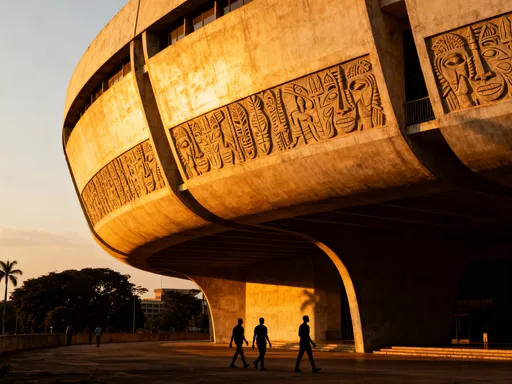
The Philharmonie Luxembourg, a striking modern concert hall designed by architect Christian de Portzamparc, serves as the city’s premier venue for classical and contemporary music. During festival seasons, its programming expands to include special outdoor performances and community events. One highlight is the “Philharmonie en Fête,” a free open-day celebration featuring live recitals, instrument demonstrations, and interactive workshops. Families gather on the lawn outside, children try their hands at violins and trumpets, and the building itself becomes a symbol of music’s accessibility.
Outside the concert hall, music spills into the streets. The Blues’n’Jazz Rallye, held each June, turns the city into a live music circuit with over 30 free performances across different neighborhoods. Imagine sipping a coffee in a quiet square and suddenly hearing the sultry notes of a saxophone drifting from a nearby bandstand, or rounding a corner to find a full ensemble playing beneath a stone arcade. The event is carefully curated to highlight both international talent and local musicians, creating a dynamic fusion of styles and influences.
For rock and pop fans, Rock-a-Field offers a high-energy alternative. This annual summer festival, held just outside the city center, features well-known European and international acts. Though larger in scale, it maintains a family-friendly atmosphere with food trucks, craft stalls, and shaded rest areas. The lineup is thoughtfully balanced, offering something for both younger audiences and adult music lovers who grew up with classic rock and indie bands.
What stands out about Luxembourg’s music festivals is their inclusivity. Most events are free or low-cost, ensuring that financial barriers do not exclude anyone from participation. Seating is often informal—blankets on the grass, benches in the square, or simply standing along the cobblestones. This democratic approach to music reinforces the idea that culture belongs to everyone. Whether you’re a lifelong classical enthusiast or just curious about jazz, there’s a place for you in the audience.
Taste the Culture: Food and Drink at the Center of Celebration
In Luxembourg City, festivals are as much about the palate as they are about the senses. Food is not a side note—it is central to the celebration, a way of honoring tradition, sharing community, and experiencing the region’s rich culinary heritage. From savory stews to sweet pastries, the flavors of the season are on full display, inviting visitors to taste their way through the city’s cultural story.
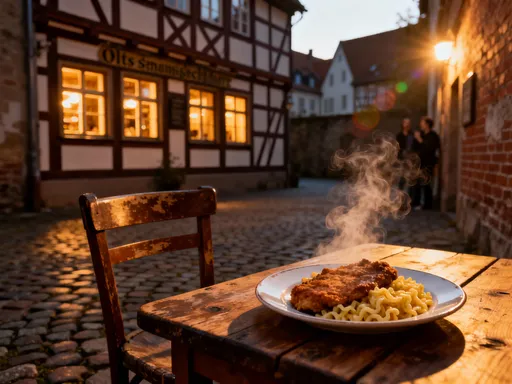
One of the most beloved regional dishes is Bouneschlupp, a hearty green bean soup traditionally made with potatoes, bacon, and onions. Often served at autumn festivals and harvest events, it embodies the comfort and simplicity of Luxembourgish home cooking. Served in paper cups at outdoor stalls, it’s the kind of food that warms you from the inside, especially on a crisp fall evening. Equally iconic is quetschentaart, a plum tart made with tartzweschke plums, a local variety that ripens in late summer. At festivals, you’ll find it sliced and served with a dollop of whipped cream, its sweet-tart filling balanced by a buttery crust.
Wine plays a prominent role, particularly during events linked to the Moselle region. At the Fête de la Vendange and other wine-focused gatherings, visitors can sample a range of white wines known for their crisp acidity and floral notes. Riesling, Pinot Gris, and Auxerrois are poured generously, often paired with local cheeses, smoked fish, or quiche Lorraine. Many vendors offer small tasting portions, making it easy to explore without overindulging. For non-drinkers, artisanal apple juice and herbal infusions are equally refreshing options.
Street food at festivals reflects both tradition and innovation. While classic offerings like sausages, crêpes, and roasted chestnuts remain popular, newer vendors bring global influences—Moroccan tagines, Vietnamese banh mi, and Italian arancini appear alongside local staples. This blend mirrors Luxembourg’s multicultural population, where over half the residents have a foreign background. Rather than diluting tradition, this diversity enriches the culinary landscape, creating a festival menu that feels both authentic and inclusive.
For visitors, the key to enjoying festival food is timing and curiosity. Arriving early or late in the day can help avoid the longest lines, especially at popular stalls. But even waiting in line becomes part of the experience—chatting with fellow food lovers, watching vendors prepare dishes by hand, and soaking in the aroma of sizzling butter and spices. More than just a meal, festival food offers a sensory introduction to Luxembourgish life, one bite at a time.
Beyond the Tourist Trail: Local Favorites and Hidden Gems
While major festivals draw crowds, some of the most memorable moments in Luxembourg City happen off the beaten path. These are the small, neighborhood-centered events that don’t always appear in guidebooks but are cherished by residents. Attending one of these gatherings offers a rare opportunity to experience the city as a local does—not as a spectator, but as a participant.
One such event is the Clausen Kermis, a neighborhood fair held each summer in the historic wine-growing district of Clausen. Narrow streets are closed to traffic, strung with banners, and filled with music, dancing, and food stalls. Local clubs and associations organize games, raffles, and live performances, creating a warm, community-driven atmosphere. Children ride on homemade floats, elders share stories over glasses of wine, and visitors are welcomed with genuine hospitality. Unlike larger festivals, there’s no commercial branding or ticketed entry—just neighbors celebrating together.
Another hidden gem is the “Nuit des Musées” (Night of Museums), an annual event in May when museums across the city stay open late and offer free admission. Galleries host live music, interactive exhibits, and themed tours, transforming cultural institutions into lively social spaces. It’s not uncommon to find a jazz trio playing in a 17th-century chapel or a poetry reading in a contemporary art gallery. The event attracts a diverse crowd—young professionals, families, retirees—all exploring art in a relaxed, festive setting.
For those seeking quieter moments, early morning walks during festival days can be surprisingly rewarding. The city wakes up differently during these times—vendors setting up stalls, artists testing sound systems, bakers delivering fresh pastries to food stands. These behind-the-scenes glimpses offer a sense of how much effort and care go into each celebration. A simple conversation with a vendor or a smile from a volunteer can turn a casual visit into a meaningful connection.
Finding these lesser-known events requires a bit of effort, but the rewards are worth it. Local cafes often post flyers for upcoming neighborhood gatherings. The city’s tourism office provides detailed event calendars, and mobile apps like “Luxembourg City Events” offer real-time updates and maps. Social media groups and community boards are also valuable resources, especially for spontaneous or last-minute happenings. The key is to stay curious and open to invitations—whether it’s a neighbor suggesting a side-street parade or a shopkeeper mentioning a pop-up concert.
Planning Your Festival Trip: Smart Strategies for a Smooth Visit
To fully enjoy Luxembourg City’s festival scene, a little planning goes a long way. While spontaneity has its charm, knowing when to book, how to navigate, and what to pack can make the difference between a stressful visit and a seamless, joyful experience. With the right approach, even first-time travelers can move with confidence through the city’s busiest and most vibrant moments.
Accommodation is the first consideration. During major festivals like the Schueberfouer or Winterlights, hotels and guesthouses fill up quickly. Booking three to six months in advance is advisable, especially for family-sized rooms or accessible lodging. For a more authentic stay, consider renting a furnished apartment in a residential neighborhood like Limpertsberg or Hollerich. These areas offer easy access to public transport and a quieter retreat after a day of festivities.
Getting around the city is both convenient and eco-friendly. Luxembourg City has an excellent public transportation system, and since 2020, all buses, trams, and trains in the country have been free of charge. During festival periods, additional trams and buses run on extended schedules to accommodate crowds. The central tram line connects the railway station to the city center, Place de la Constitution, and the Kirchberg district, making it easy to reach event sites without a car. For shorter distances, walking is ideal—the city center is compact, and many festival locations are within a 15-minute stroll of each other.
Staying informed is essential. The official Luxembourg City tourism website provides up-to-date event schedules, maps, and accessibility information. Printed programs are available at the tourist office and major hotels. For real-time updates, the “Luxembourg City Guide” app includes push notifications for schedule changes, weather alerts, and crowd levels. It also features audio tours and curated walking routes that incorporate festival stops.
Packing smart enhances comfort. Comfortable walking shoes are a must—cobblestones are charming but unforgiving. Layers are recommended, as temperatures can shift from warm afternoons to cool evenings. A small backpack with a reusable water bottle, a foldable umbrella, and a portable phone charger ensures preparedness. Families may want to bring compact strollers or baby carriers, as many events are stroller-friendly and offer baby-changing facilities.
Finally, balance planning with flexibility. While it’s wise to reserve tickets for popular concerts or guided tours, many of the best festival experiences—impromptu street performances, unexpected food discoveries, chance encounters with locals—happen when you allow room for serendipity. The goal is not to check off every event, but to immerse yourself in the rhythm of the city.
Why Festival Travel Changes How You See a Place
Traveling to a city during its festival season does more than fill a vacation calendar—it changes the way you understand a place. Festivals reveal the soul of a community: its values, its creativity, its capacity for joy. In Luxembourg City, where history and modernity coexist so gracefully, festivals become a living expression of cultural pride and continuity. They are not performances for outsiders, but heartfelt celebrations by and for the people who call this city home.
Experiencing these moments fosters a deeper connection than sightseeing alone ever could. Standing in a crowded square as fireworks light up the Bock cliffs, sharing a plate of quetschentaart with strangers, or clapping along to a folk song in a candlelit courtyard—these are the memories that linger. They remind us that travel is not just about places, but about people and the ways they come together to mark time, honor tradition, and create beauty.
Luxembourg City’s festival culture also speaks to broader themes of resilience and renewal. In a world where urban life can feel fast-paced and impersonal, these events preserve space for slowness, connection, and shared celebration. They demonstrate how a small nation can maintain its identity while embracing diversity, how tradition can evolve without losing its essence, and how public spaces can become stages for collective joy.
For the 30- to 55-year-old traveler—often balancing family, career, and personal interests—festival travel offers a rare opportunity to pause, engage, and be inspired. It’s a chance to step outside routine, to see a city not as a checklist of monuments, but as a living, breathing community. And in that shift of perspective lies the true magic of travel.
So the next time you consider a European getaway, look beyond the postcard views. Seek out the festivals, the music, the food, the quiet neighborhood celebrations. Let Luxembourg City surprise you, as it surprised me—not with grandiosity, but with warmth, authenticity, and the quiet pulse of a capital that knows how to celebrate life.