You Won’t Believe What Ljubljana’s Local Food Scene Is Hiding
Ljubljana isn’t just a postcard-perfect capital with cobbled streets and a dragon bridge—its real magic hides on plates and in market stalls. I went looking for Slovenian flavors and found myself immersed in a world of creamy cheeses, golden honey, and herbal spirits that tell stories of alpine meadows and forested hills. This city turns food into heritage, and every bite feels like a secret whispered from generations past. From the morning bustle of open-air markets to the warmth of family-run inns serving time-honored recipes, Ljubljana offers a culinary journey rooted in authenticity. Here, tradition isn’t preserved behind glass—it’s alive, evolving, and shared generously with those willing to taste beyond the surface.
The Heartbeat of Slovenian Taste: Ljubljana’s Central Market
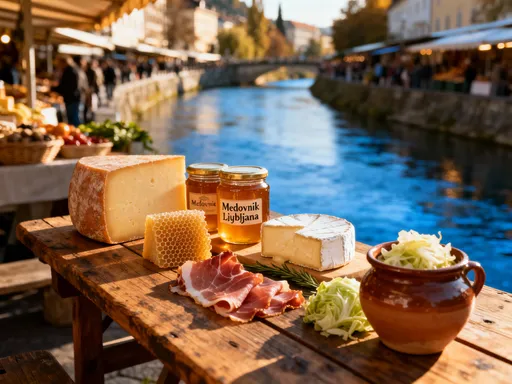
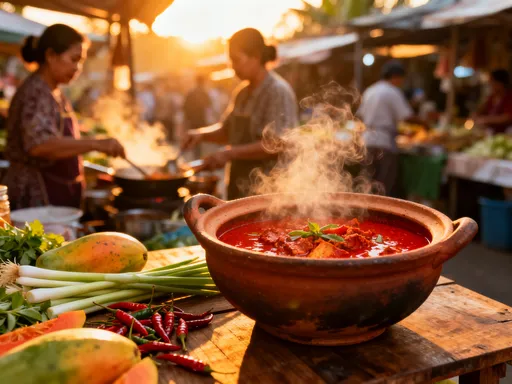
Situated along the emerald-green Ljubljanica River, the Central Market is the soul of the city’s food culture. Designed by the renowned architect Jože Plečnik in the early 20th century, this riverside arcade stretches beneath colonnades that invite slow strolling and quiet observation. Every morning, local farmers, bakers, and artisans gather beneath its arched walkways, transforming the space into a living tapestry of regional abundance. The air hums with the scent of fresh herbs, ripe berries, and wood-fired bread—aromas that pull visitors into an intimate dialogue with the land.
What sets this market apart is its unwavering commitment to locality and seasonality. Unlike commercial supermarkets that import produce year-round, the Central Market reflects the rhythm of nature. In spring, baskets overflow with wild asparagus and sorrel; summer brings heirloom tomatoes, plump cherries, and golden raspberries; autumn reveals pumpkins, chestnuts, and mushrooms foraged from nearby forests. Each product carries the mark of its origin—soil, altitude, rainfall—all contributing to a distinct flavor profile impossible to replicate elsewhere.
Among the most cherished items is kislo zelje, a traditional fermented cabbage similar to sauerkraut but with a more complex tang, often made using family recipes passed down for generations. Vendors proudly explain how the fermentation process, which can last several weeks, enhances both taste and gut-friendly probiotics. Artisanal breads are another highlight, baked in wood-fired ovens using heritage grains like spelt and emmer. These dense, aromatic loaves are frequently served with homemade butter infused with alpine herbs, creating a simple yet unforgettable combination.
Freshwater fish, particularly trout from pristine mountain streams, are displayed on beds of ice, their silvery scales still glistening. Many come from small-scale aquaculture farms in the Soča Valley, where cold, oxygen-rich waters yield tender, flavorful flesh. Chefs from nearby restaurants often arrive early to hand-select their daily catch, reinforcing the direct link between producer and plate. The market is more than a place to shop—it’s a cultural institution where elders exchange gardening tips, children learn the names of seasonal vegetables, and tourists discover the heart of Slovenian daily life.
Slovenian Cheese: Beyond the Ordinary
Slovenia’s dairy traditions run deep, shaped by centuries of alpine farming and pastoral migration. In Ljubljana’s markets and specialty shops, cheese is not merely a food item—it’s a testament to craftsmanship and regional identity. Among the most distinctive varieties is cicvara, a creamy, porridge-like cheese made from curdled cow’s milk and often enriched with butter and cream. Traditionally prepared during winter months, it has a velvety texture and mild, slightly tangy flavor, typically served warm with cracklings or alongside dark rye bread. Though once a humble peasant dish, cicvara has gained new appreciation as chefs incorporate it into refined appetizers and tasting menus.
Equally revered is trnič, a hard, aromatic cheese from the Karst region near the Italian border. Made from a blend of sheep’s and cow’s milk, it is aged for several months and often infused with garlic or wild herbs. Its name derives from the local word for thistle, which is used as a natural coagulant in place of rennet—a centuries-old technique that imparts a subtle vegetal bitterness and complex depth. This artisanal method, largely unchanged since the 14th century, has earned trnič recognition as a protected product under Slovenia’s national heritage program.
What makes Slovenian cheese exceptional is the scale of production. Most dairies are small, family-run operations where animals graze freely on diverse pastures. This biodiversity translates directly into flavor—milk from cows that feed on alpine flowers produces cheeses with floral notes, while those from forest-edge grazing yield earthier profiles. Many producers adhere to strict EU organic standards, avoiding hormones and antibiotics, and prioritize animal welfare. As a result, Slovenian cheeses are gaining acclaim across Europe, appearing in gourmet shops from Vienna to Lyon.
For visitors, sampling these cheeses is best done at a dedicated tasting bar or during one of Ljubljana’s seasonal food festivals. Pairings often include honey, walnut bread, or a glass of local white wine such as Rebula. The experience is educational as much as indulgent—each bite tells a story of terrain, tradition, and patience. In a world increasingly dominated by industrial food systems, Slovenian cheese stands as a quiet rebellion in favor of slowness, quality, and connection.
Honey with a Story: Alpine and Forest Varieties
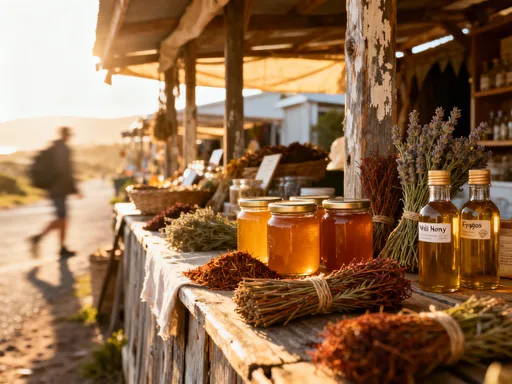
Slovenia is one of the few countries in the world where beekeeping is enshrined as part of its national cultural heritage. The native Carniolan honeybee—known for its gentle temperament, resilience, and high honey yield—is a source of national pride and a symbol of environmental stewardship. In Ljubljana’s markets, honey is not just a sweetener; it’s a reflection of the country’s ecological richness. Beekeepers from mountain villages and forest communities bring jars filled with amber, dark brown, or nearly white honeys, each labeled with precise floral origins and harvest dates.
Wildflower honey, gathered from meadows blooming with clover, dandelion, and mountain thyme, offers a balanced sweetness with floral undertones. Linden honey, harvested in early summer when linden trees are in full bloom, has a delicate, slightly mentholated aroma and is prized for its soothing properties. Perhaps the most intriguing is forest honey, also known as honeydew honey, which is not made from nectar but from the sugary secretions of aphids on tree bark. Dark, rich, and malty, it resembles molasses in texture and is often used in savory glazes or paired with strong cheeses.
Slovenian beekeepers practice sustainable methods, avoiding synthetic pesticides and maintaining hives in remote, unpolluted areas. Many belong to cooperatives that ensure fair pricing and quality control. Some even use traditional wooden hives painted with folk motifs—a practice dating back to the 18th century that adds cultural charm to rural landscapes. The government supports these efforts through educational programs and subsidies for young beekeepers, ensuring the tradition survives into the future.
In the kitchen, honey plays a versatile role. It sweetens desserts like potica, a rolled nut pastry often served during holidays, but also enhances roasted meats, marinades, and even cheese spreads. Bartenders in Ljubljana’s craft cocktail bars use local honey to create signature drinks, blending it with herbal liqueurs or sparkling wine. For visitors, a honey tasting session offers a multisensory journey through Slovenia’s natural diversity. More than just a product, it represents a harmonious relationship between humans and nature—one that rewards care and attention with unparalleled flavor.
Kraški Pršut and Other Cured Delicacies
No exploration of Slovenian cuisine is complete without encountering Kraški pršut, the air-dried ham from the Karst plateau. Protected under the European Union’s geographical indication system, this delicacy is produced using a precise method shaped by the region’s unique microclimate. After salting, the hams are hung in well-ventilated lofts where the bora wind—a cold, dry gust descending from the Alps—slowly dries the meat over several months. The result is a lean, deeply flavored ham with a ruby-red hue and a delicate crystalline texture, best enjoyed in thin slices with a drizzle of olive oil and a wedge of aged cheese.
Unlike its Italian or Spanish counterparts, Kraški pršut is never smoked, allowing the pure taste of the pork and the influence of the wind to shine through. The pigs are typically raised on small farms, fed a natural diet, and slaughtered in winter when temperatures naturally inhibit bacterial growth. This adherence to tradition and seasonality ensures both safety and authenticity. It is commonly served as part of a cold cut platter, accompanied by pickled vegetables, fresh bread, and a glass of Teran, a robust red wine from the same region.
Beyond pršut, Slovenia boasts a rich charcuterie tradition. Smoked sausages, such as kranjska klobasa—a garlic-infused pork sausage grilled and served with mustard—are beloved staples, often found at festivals and family gatherings. Another specialty is metwurst, a semi-dry fermented sausage seasoned with paprika and garlic, traditionally wrapped in cloth and aged for weeks. These meats are not only flavorful but also practical, designed to last through long winters when fresh meat was scarce.
In Ljubljana, charcuterie is celebrated in both traditional and modern settings. Rustic taverns serve platters heaped with local cured meats, while contemporary bistros pair them with house-made pickles and inventive sauces. Some restaurants even offer curing workshops, allowing guests to learn the basics of salting, drying, and aging under expert guidance. For the home cook, purchasing these products supports small-scale producers and preserves a culinary art that might otherwise fade in the age of mass production.
Herbal Spirits: Slovenia’s Liquid Heritage
Slovenia’s hills and forests are not only sources of food but also of potent, aromatic spirits. Homemade distillation is a widespread tradition, especially in rural areas where families produce small batches of brandy and herbal liqueurs for personal use and special occasions. The most iconic of these is zajblukovec, a clear plum brandy known internationally as slivovitz. Made from fermented Damson plums, it is double-distilled in copper stills and often aged in wooden barrels to mellow its intensity. Served chilled in small glasses, it is a symbol of hospitality, typically offered to guests upon arrival.
Another cherished spirit is bistra, an anise-flavored herbal liqueur with a cloudy appearance when diluted with water—a phenomenon known as the “ouzo effect.” Crafted using secret family recipes, it may include up to two dozen botanicals such as wormwood, mint, juniper, and fennel, all foraged from local forests. The exact blend varies by household, making each bottle a unique expression of its maker’s heritage. Traditionally consumed as a digestif, bistra is believed to aid digestion and warm the body during cold mountain nights.
These spirits are more than beverages—they are cultural artifacts. In villages, distillation often takes place in autumn after the harvest, turning the process into a communal event. Families gather to press fruit, monitor fermentation, and share stories as the stills bubble through the night. While commercial versions exist, the most prized bottles are homemade, unfiltered, and uncensored by mass-market tastes. In Ljubljana, some bars specialize in craft spirits, offering curated tastings that educate visitors about the history and significance of each drink.
It is important to note that while these spirits are deeply rooted in tradition, responsible consumption is emphasized. They are not intended for excessive drinking but for savoring slowly, much like fine wine. For travelers, trying a small glass is a gesture of cultural immersion—a way to participate in a ritual that has brought people together for centuries. In every drop, there is warmth, memory, and a quiet pride in self-sufficiency.
From Farm to Fork: How Ljubljana Celebrates Origin
Ljubljana’s food culture is increasingly defined by transparency and traceability. A growing number of restaurants, cafes, and wine bars now list the exact sources of their ingredients on the menu—down to the name of the farm, the village, or even the specific field. This practice is not mere marketing; it reflects a broader movement toward sustainable gastronomy and ethical consumption. Diners are encouraged to ask questions, meet producers, and understand the journey their food has taken from soil to plate.
The city has embraced the principles of the Slow Food movement, promoting biodiversity, seasonal eating, and fair compensation for farmers. Farmers’ markets operate not just on weekends but several days a week, ensuring consistent access to fresh, local produce. School programs teach children about gardening and nutrition, fostering a new generation of conscious eaters. Even public institutions, such as hospitals and kindergartens, have begun sourcing ingredients from regional suppliers, creating a ripple effect throughout the food economy.
One notable initiative is the “Taste of Slovenia” campaign, supported by the Ministry of Agriculture, which certifies restaurants that use at least 70% domestic ingredients. Participating establishments receive a special label and are featured in national tourism materials. This not only boosts local pride but also guides visitors toward authentic experiences. In Ljubljana, it’s common to see signs indicating “100% Slovenian dairy” or “fish from Lake Bled,” reinforcing the value placed on origin.
For travelers, this emphasis on provenance transforms dining into an act of discovery. A simple salad becomes a narrative of heirloom lettuce grown in a nearby village, dressed with sunflower oil from a cooperative in eastern Slovenia. A dessert might feature berries picked that morning from a family-owned orchard. This level of detail invites deeper appreciation and strengthens the bond between consumer and producer. In a globalized world where food often feels anonymous, Ljubljana offers a refreshing alternative—transparent, rooted, and deeply human.
Where Tradition Meets Innovation: Modern Twists on Classic Flavors
While tradition remains central, Ljubljana’s culinary scene is far from stagnant. A new generation of chefs is reinterpreting heritage ingredients with creativity and precision, blending ancestral knowledge with modern techniques. These innovators do not seek to replace tradition but to elevate it—using fermentation, sous-vide cooking, and artistic plating to highlight the intrinsic qualities of local products. The result is a cuisine that feels both familiar and surprising, comforting and adventurous.
At some of the city’s most acclaimed restaurants, menus feature dishes like honey-glazed venison with juniper reduction, a dish that honors Slovenia’s hunting traditions while presenting them with elegance. Others serve cheese-filled štruklji—a rolled dumpling traditionally made with cottage cheese—infused with herbs like mountain savory or wild thyme, then paired with a foam of fermented whey. Even humble ingredients like kislo zelje are reimagined, transformed into vibrant slaws or used as a tangy base for tartare.
Cocktail bars are equally inventive, incorporating local spirits into sophisticated drinks. A bartender might craft a zajblukovec old-fashioned, using plum brandy instead of whiskey, or mix bistra with tonic and cucumber for a refreshing aperitif. Non-alcoholic options are also thoughtful, featuring herbal syrups made from wild berries or flower infusions from alpine meadows. These beverages reflect the same attention to origin and seasonality as the food.
What unites these modern interpretations is respect. Chefs frequently collaborate with farmers, beekeepers, and dairymen, visiting their operations to understand the challenges and stories behind each ingredient. Some even host seasonal pop-up dinners in barns or vineyards, creating immersive experiences that connect guests directly with the land. For visitors, dining in Ljubljana becomes more than a meal—it’s a dialogue between past and present, between tradition and innovation, between the earth and the plate.
Ljubljana’s specialty foods are more than just sustenance—they’re edible narratives of land, climate, and culture. By savoring them, travelers don’t just eat well; they connect deeply with Slovenia’s identity. The city invites you not only to taste but to understand, appreciate, and carry forward a rich culinary legacy. Whether you’re standing at a market stall sampling fresh cheese, toasting with homemade brandy, or enjoying a reimagined national dish in a sleek downtown bistro, you’re participating in a living tradition—one that values authenticity, sustainability, and the simple joy of sharing good food. In Ljubljana, every meal is an invitation to belong, even if only for a moment. And that, perhaps, is the most delicious secret of all.