You Gotta See How This Mexican Town Turns Stone Into Magic
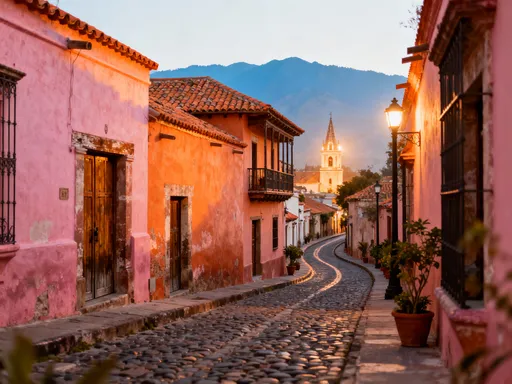
I never expected a town to feel like a living painting—until I stepped into San Miguel de Allende. The way the light hits those terracotta rooftops at golden hour? Mind-blowing. Every corner reveals baroque facades, cobblestone charm, and centuries-old craftsmanship that feels anything but frozen in time. This isn’t just architecture—it’s emotion built in stone. If you're craving beauty with soul, this place will rewrite your travel rules.
First Impressions: Walking Into a Colonial Dream
Arriving in San Miguel de Allende is like stepping into a dream carefully preserved over centuries. Nestled in the central highlands of Mexico’s Guanajuato state, the town unfolds along rolling hills, its historic center a UNESCO World Heritage site since 2008. From the moment visitors cross its thresholds—whether by foot from the bus station or by car winding through the outskirts—the atmosphere shifts. The air carries a quiet reverence, as if the streets themselves are whispering stories of the past. What sets San Miguel apart from other colonial towns in Mexico is not just its meticulous preservation, but the emotional resonance of its urban fabric. Unlike the sprawling resorts of the coast or the modern bustle of Mexico City, this town feels intimate, almost personal, as though every alley was designed for discovery, not convenience.
The town’s layout follows a traditional Spanish colonial grid, adapted ingeniously to the uneven terrain. Narrow, cobbled streets climb and dip with the land, leading to sudden vistas of rooftops cascading toward the horizon. Plazas serve as natural gathering points, each one framed by historic buildings that have stood for generations. The most prominent, El Jardín Principal, is the social and visual heart of the city. Lined with benches, dotted with palms, and surrounded by cafes with outdoor seating, it offers a perfect starting point for absorbing the rhythm of daily life. What strikes visitors immediately is the consistency of architectural style—cream-colored stucco walls, red-tiled roofs, and ornate ironwork gracing windows and balconies. This harmony is no accident. Strict preservation codes ensure that renovations respect the original aesthetic, maintaining a visual continuity that makes the entire center feel like a single, breathing entity.
The sensory experience deepens as daylight shifts. Morning light softens the facades, highlighting the subtle variations in plaster and stone. By midday, the sun casts sharp shadows across doorways and arches, emphasizing the play of light and form. As afternoon melts into golden hour, the town transforms. The warm glow bathes the buildings in a honeyed light, turning even modest homes into works of art. This interplay of light and material is central to San Miguel’s magic. It’s not merely the architecture that captivates, but how it lives and changes with the day. For many visitors, especially women in their 30s to 50s who value both beauty and meaning in travel, this town offers more than sightseeing—it offers reflection, a chance to slow down and reconnect with the quieter joys of life.
The Heart of the City: Parroquia de San Miguel Arcángel
No image of San Miguel de Allende is complete without the soaring pink spires of the Parroquia de San Miguel Arcángel. This iconic church, perched at the east end of El Jardín Principal, is one of the most photographed landmarks in all of Mexico. Its flamboyant neo-Gothic façade, with twin towers reaching skyward like candles, stands in striking contrast to the more subdued colonial churches found elsewhere in the country. Yet this dramatic design is not the work of a European architect, but of a local stonemason named Zeferino Gutiérrez, an indigenous craftsman who, despite having no formal training, drew inspiration from postcards of European cathedrals to create something entirely original. Completed in 1880, the church’s façade is a testament to imagination, resilience, and cultural fusion.
The Parroquia’s construction was a decades-long labor of love, shaped as much by community effort as by architectural vision. Gutiérrez used locally quarried cantera stone, a soft volcanic rock that allows for intricate carving and ages beautifully over time. The pink hue of the towers comes not from paint, but from the natural tint of the stone, enhanced by years of sun and rain. Up close, the façade reveals astonishing detail—twisting columns, floral motifs, and delicate tracery that seem to dance in the sunlight. While the interior is more restrained, it still holds its own charm, with stained glass windows casting colored light onto polished wooden pews and a grand altar that draws the eye forward. Masses are still held regularly, and the sound of the organ echoes through the plaza, adding a spiritual dimension to the town’s daily life.
Beyond its visual impact, the Parroquia plays a vital role in the town’s identity. It is not just a place of worship, but a symbol of local pride and creative independence. Unlike many colonial churches built under Spanish rule to assert religious and political authority, this one emerged from within the community, shaped by a native artisan’s vision. Today, it serves as a visual anchor, visible from nearly every vantage point in the city. For visitors, standing before it offers a moment of awe—a reminder that beauty can arise from unexpected places, and that tradition and innovation are not opposites, but partners. Whether seen from afar at sunrise or illuminated at night, the Parroquia continues to inspire, not only photographers and travelers but also residents who see it as a living part of their heritage.
Beyond the Postcard: Hidden Courtyards and Mansions
While the streets and plazas of San Miguel de Allende captivate at first glance, the town’s true architectural treasures often lie behind unassuming doors. Many of the colonial-era mansions, once homes to wealthy families during the silver boom of the 18th century, have been carefully restored and repurposed. Today, they house boutique hotels, art galleries, cultural centers, and private residences, their exteriors blending seamlessly into the historic streetscape. What surprises visitors most is what lies beyond the heavy wooden doors—interior courtyards, or patios, that feel like secret gardens suspended in time. These open-air spaces, often centered around a fountain or a flowering tree, are the heart of traditional Mexican domestic architecture, designed to bring light, air, and nature into the home.
The typical colonial casa in San Miguel follows a inward-focused design, with rooms arranged around the central patio. Wrought-iron grilles, hand-carved door knockers, and colorful tile accents mark the entrances, each one telling a story of craftsmanship and attention to detail. Inside, the patios are shaded by grapevines or bougainvillea, their petals drifting onto stone fountains below. The walls are thick, built to insulate against the highland climate, keeping interiors cool in summer and warm in winter. Tilework, often in geometric or floral patterns, lines the floors and sometimes the lower walls, adding both beauty and durability. These homes were not built for show, but for living—a philosophy that continues to influence how spaces are used today.
Thanks to preservation efforts and the dedication of both local and international residents, many of these homes have been restored with remarkable sensitivity. Original materials have been preserved or replicated, and modern amenities are integrated discreetly. Walking tours offered by local cultural organizations provide rare access to some of these private spaces, allowing visitors to step inside and experience the tranquility of a colonial courtyard. These tours, often led by historians or architects, emphasize not just the beauty of the spaces, but their historical context and ongoing relevance. For women who appreciate design, history, and the art of home, these hidden interiors offer a profound sense of connection—a reminder that the most meaningful spaces are those shaped by time, care, and daily life.
Materials That Breathe History: Lime Wash, Cantera, and Tile
The unique aesthetic of San Miguel de Allende is inseparable from the materials used in its construction. Unlike modern buildings that rely on industrial finishes, the town’s architecture is defined by natural, locally sourced elements that age with grace. Cantera stone, a porous volcanic rock quarried from nearby hills, is the foundation of many facades, columns, and decorative carvings. Its soft texture allows artisans to shape it into intricate designs, while its natural variations in color—from warm beige to rose pink—give the town its signature warmth. Over time, exposure to sun and rain deepens the stone’s hue, creating a patina that speaks of endurance and continuity.
Equally important is the use of lime-based washes, a traditional plaster made from slaked lime, water, and natural pigments. Applied by hand in thin layers, this finish breathes with the walls, preventing moisture buildup and allowing buildings to adapt to seasonal changes. Unlike synthetic paints, lime wash fades gradually, producing a soft, sun-bleached look that enhances the town’s romantic atmosphere. The colors—creams, ochres, terracottas—are not arbitrary, but rooted in the local landscape, echoing the hues of the surrounding hills and earth. This harmony between built and natural environments is intentional, a reflection of a design philosophy that values balance and belonging.
Handmade ceramic tiles, another hallmark of the region, appear in kitchens, patios, and bathrooms, often in vibrant blues, greens, and yellows. These tiles are typically produced in small workshops using techniques passed down through generations. Each piece bears slight imperfections—the mark of the human hand—which only add to their charm. In restoration projects, artisans continue to use these traditional materials, ensuring that repairs blend seamlessly with the original structure. This commitment to authenticity is not merely aesthetic; it is an act of cultural preservation. For travelers who value sustainability and craftsmanship, San Miguel offers a powerful example of how building with care and respect for materials can create spaces that endure, not just physically, but emotionally.
East Meets West: The Influence of Global Residents on Design
In recent decades, San Miguel de Allende has become a magnet for international residents, particularly retirees and creatives from the United States, Canada, and Europe. This influx has brought new energy to the town, along with a unique blend of cultural influences in design and renovation. Yet unlike in some expatriate-heavy destinations, where traditional character is overwhelmed by foreign tastes, San Miguel has managed to integrate modern sensibilities without losing its soul. This balance is due in large part to strict urban planning regulations. The municipal government enforces rigorous heritage codes that govern everything from façade colors to roof heights, ensuring that new construction and renovations remain in harmony with the historic fabric.
As a result, modern updates are subtle and respectful. A glass-walled extension might be tucked behind a colonial wall, visible only from within. Rooftop terraces, popular among residents seeking panoramic views, are set back from the street and enclosed with low parapets to preserve the skyline. Interior renovations often blend contemporary comforts—such as modern kitchens and bathrooms—with original features like exposed beams, stone walls, and antique doors. The influence of global design is most visible in interior decoration, where minimalist furnishings, Asian-inspired textiles, or European lighting fixtures coexist with traditional Mexican art and crafts. This fusion is not forced, but organic, reflecting the lives of people who honor the past while living fully in the present.
The presence of international residents has also bolstered cultural exchange and preservation efforts. Many have funded restoration projects, supported local artisans, and participated in neighborhood associations dedicated to maintaining the town’s integrity. Art galleries, language schools, and cultural festivals have flourished, enriching the community without commercializing its essence. For female travelers who value thoughtful, responsible tourism, San Miguel offers a model of how a historic town can evolve without sacrificing its identity. It shows that change does not have to mean loss—that with care, respect, and collaboration, a place can remain rooted while embracing the new.
Streets That Tell Stories: Urban Layout and Daily Life
The architecture of San Miguel de Allende is not just seen—it is experienced through movement. The town’s hilly topography shapes its stepped streets, narrow passages, and unexpected viewpoints, encouraging a slower, more mindful way of walking. Unlike cities built on flat grids, where movement is efficient and predictable, San Miguel rewards exploration. A simple errand can become a journey, as paths rise and fall, revealing sudden glimpses of rooftops, bell towers, or distant mountains. This topography has influenced not only how the town looks, but how people live. Balconies and upper-story windows are positioned to catch breezes and views, while shaded doorways and stone benches invite passersby to pause and rest.
Public spaces are designed for interaction. The plazas, especially El Jardín Principal, function as outdoor living rooms, where families gather in the evenings, musicians play, and friends meet for coffee. The layout fosters a sense of community, where neighbors know one another and life unfolds in the open. Even the steepness of the streets contributes to this rhythm—forcing pedestrians to slow down, to breathe, to notice. For women who seek meaningful travel experiences, this is not just a charming backdrop, but a lesson in how design shapes well-being. The town’s architecture supports connection, contemplation, and a pace of life that feels increasingly rare in the modern world.
Daily life in San Miguel reflects this harmony between form and function. Markets bustle with activity, their stalls shaded by canvas awnings, offering fresh produce, handmade goods, and local crafts. Children walk to school along cobbled lanes, their footsteps echoing against stone walls. Elderly residents sit on benches, watching the world go by. These moments are not staged for tourists, but part of the town’s authentic rhythm. The architecture does not merely contain life—it nurtures it. By designing spaces that prioritize human scale, comfort, and beauty, San Miguel creates an environment where people feel seen, valued, and at home.
How to Experience the Architecture Like a Local
To truly appreciate San Miguel de Allende, visitors must do more than check off landmarks—they must engage with the town on its own terms. The best time to walk is early morning or late afternoon, when the light is soft and golden, enhancing the textures of stone and stucco. Midday sun can be harsh, but it also reveals the intricate shadows and depths of architectural details. Guided walking tours focused on history and design offer invaluable insights, especially those led by local historians or architects who can explain the significance of materials, styles, and urban planning. Some tours specialize in photography, guiding visitors to vantage points that capture the town’s essence without trespassing on private property.
Photography etiquette is important. While the exteriors of homes and churches are public, many buildings are private residences. It is respectful to avoid lingering at doors or windows, and to ask permission before photographing people. The most powerful images often come from stillness—sitting in a plaza with a coffee, watching light shift across a façade, or capturing the reflection of a bell tower in a rain puddle. These quiet moments reveal more than any postcard ever could.
Combining architecture with café culture enhances the experience. Sitting at an outdoor table in El Jardín, sipping hot chocolate or a café con leche, allows travelers to absorb the surroundings at a leisurely pace. Local bakeries offer sweet treats like conchas and empanadas, perfect for a mid-morning break. For a deeper dive, visitors can attend a workshop on traditional crafts—tile-making, lime plastering, or ironwork—to understand the skills behind the beauty. The goal is not to rush, but to linger, to let the town reveal itself gradually. For women who seek travel that nourishes the spirit, San Miguel offers a rare gift: the chance to see beauty not as a spectacle, but as a way of life.
San Miguel de Allende proves that architecture isn’t just about buildings—it’s about memory, identity, and beauty lived daily. Its streets don’t just impress; they invite. In a world rushing toward the new, this town whispers a different message: some things are worth preserving, again and again.