You Won’t Believe These Hidden Cultural Gems in Kamakura
Kamakura isn’t just about the big bronze Buddha—there’s a whole other side most tourists miss. I wandered off the main paths and discovered quiet temples, centuries-old rituals, and local artisans keeping traditions alive. This coastal town breathes history, not in a museum way, but in the way people live. If you’re craving real cultural moments—ones that feel personal and profound—Kamakura’s secret layers are waiting. Let me show you the side few ever see.
Beyond the Tourist Trail: The Real Heart of Kamakura
Kamakura is often celebrated for its iconic Great Buddha at Kotoku-in, a towering symbol of serenity that draws thousands each day. Yet, beyond the postcard-perfect image lies a quieter, more intimate version of the city—one that pulses with the rhythm of daily life. While the main streets near Kamakura Station buzz with souvenir shops and matcha-flavored treats, just a ten-minute walk inland reveals narrow lanes where wooden homes lean gently over stone pathways, and laundry flutters between bamboo fences. These residential neighborhoods, such as Nagae and Hase, are where Kamakura’s soul quietly resides.
Here, culture isn’t curated for visitors; it unfolds naturally. Small family-run grocery stores display seasonal vegetables in handwoven baskets. Elderly residents bow politely as neighbors pass by, their greetings soft and unhurried. Tiny Shinto shrines, no taller than a child, peek out from behind hydrangea bushes, adorned with fresh offerings of rice and sake. These moments are not staged—they are the fabric of everyday existence in a town where history is not preserved behind glass but lived with reverence and routine.
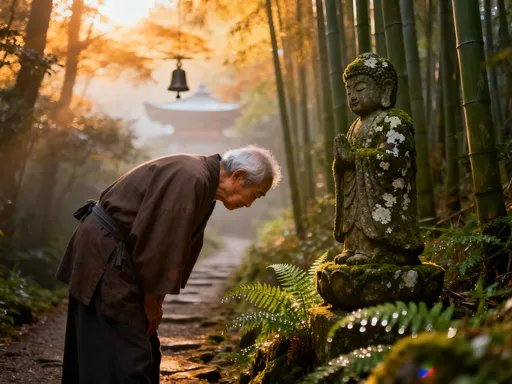
Stepping away from the well-trodden path allows travelers to experience Kamakura as a living community rather than a historical exhibit. The contrast between the crowded temple grounds and the stillness of side streets is striking. In the morning light, when the tourist buses have not yet arrived, one can walk through alleys where moss clings to centuries-old stone walls and the only sound is the distant chime of a temple bell. It is in these spaces that the true depth of Kamakura’s cultural heritage becomes apparent—not in grandeur, but in subtlety.
Exploring these quieter areas also fosters a deeper appreciation for how Kamakura balances accessibility with authenticity. While the city welcomes visitors with open arms, it has managed to protect its inner life. Local initiatives, such as neighborhood preservation groups and seasonal clean-up events, reflect a collective commitment to maintaining both physical spaces and cultural values. For the mindful traveler, this balance offers a rare opportunity: to witness tradition not as a performance, but as a continuing way of life.
Morning Rituals at Small Temples: A Glimpse Into Living Tradition
One of the most profound ways to connect with Kamakura’s culture is to visit its smaller temples in the early hours of the day. While major sites like Tsurugaoka Hachimangu are best experienced later in the morning, lesser-known temples such as Anserinan and Jomyoji come alive in the quiet dawn. These places are not destinations for sightseeing—they are sanctuaries for practice, where locals begin their day with prayer and reflection. Arriving before 7 a.m. offers a rare window into rituals that have remained unchanged for generations.
At Jomyoji, a serene Rinzai Zen temple nestled in a wooded valley, the air is thick with the scent of damp earth and burning incense. A few elderly women kneel before the main hall, their hands pressed together in gassho, the traditional Buddhist gesture of reverence. The soft clack of wooden clappers echoes through the courtyard, followed by low, rhythmic chants. There is no audience, no performance—only devotion. Watching these moments unfold is not about observation, but about bearing witness to a quiet continuity of faith.
At Anserinan, a small temple known for its healing waters and tranquil garden, visitors light incense sticks and place them in a bronze urn, their smoke curling upward like whispered prayers. The ritual is simple, yet every movement carries intention. Bowing twice, clapping twice, bowing once more—these gestures are not merely symbolic; they are physical expressions of gratitude and mindfulness. For the local worshippers, this is not a tourist attraction but a spiritual routine, a way of grounding themselves before the day begins.
These early-morning scenes reveal a side of Kamakura that is often overlooked: a city where religion is not a relic but a living presence. Unlike large temples that cater to visitors with multilingual signs and gift shops, these smaller sites remain deeply embedded in the community. They serve as places of solace, healing, and connection, where people come to pray for health, give thanks for blessings, or remember loved ones. To experience these rituals is to understand that in Kamakura, spirituality is not separate from daily life—it is woven into its very rhythm.
Tea and Tranquility: The Unspoken Art of Japanese Hospitality
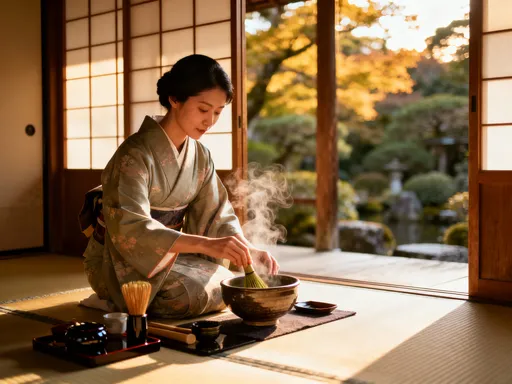
One unexpected moment of warmth occurred during a quiet afternoon in Komachi-dori’s backstreets, when an elderly woman from a neighborhood tea circle invited me into a modest community hall for matcha. There was no signage, no reservation system—only a gentle gesture and a smile. Inside, tatami mats covered the floor, and four women sat in a circle, their movements deliberate and calm. A charcoal brazier warmed the room, and the sound of water boiling in an iron kettle provided a soothing backdrop.
The tea ceremony that followed was not formal or elaborate, but deeply meaningful. Every action—from the precise folding of the fukusa (silk cloth) to the careful whisking of the bright green powder—was performed with quiet attention. The host served each guest with both hands, bowing slightly as the bowl was presented. I was taught to rotate the bowl twice before drinking, a gesture of respect to avoid drinking from the front, which is considered the most beautiful part.
What struck me most was the silence. There was little conversation, yet the atmosphere was not cold or distant. Instead, it felt intimate, as if the shared experience of tea was its own language. In Kamakura, hospitality is not expressed through grand gestures but through presence, care, and mindfulness. The act of preparing and sharing tea becomes a form of connection—one that transcends words.
This quiet ritual reflects broader cultural values in Kamakura, where respect and humility are expressed through action rather than speech. The tea ceremony, in its many forms, is not just a tradition but a philosophy—a way of being present, of honoring the moment and the person across from you. For visitors, participating in such an experience, even briefly, offers a deeper understanding of Japanese aesthetics and social harmony. It is a reminder that some of the most meaningful encounters are not loud or flashy, but gentle, deliberate, and full of grace.
Artisans Keeping History Alive: Hands That Shape Tradition
Hidden behind Kamakura’s main roads are small workshops where artisans practice crafts passed down through generations. These are not souvenir stalls selling mass-produced trinkets, but real studios where wood is carved, paper is hand-formed, and bamboo is woven with precision. One such craftsman, a woodcarver in the Yukinoshita district, works in a dimly lit atelier accessible only by a narrow stone path. His hands, marked by years of labor, move with quiet confidence as he shapes a guardian lion-dog from a block of camphor wood.
His studio has no website, no social media, and only a small wooden sign in Japanese. Yet, temples across the region commission his work for restoration projects. Each piece he creates adheres to traditional techniques—measuring by eye, using hand tools, and following symbolic forms that have remained unchanged for centuries. When asked why he continues this work, he simply says, “If we don’t do it, who will?” His words carry no drama, only quiet resolve.
Other artisans in Kamakura preserve different traditions. A calligrapher in Nishi-Kamakura spends hours grinding ink sticks by hand, preparing for brushwork that must be completed in a single, fluid motion. A bamboo weaver near Hase-dera creates delicate tea scoops and flower baskets, each strand interlaced with mathematical precision and artistic intuition. These crafts are not hobbies—they are lifeways, sustained by dedication and a deep sense of responsibility to the past.
Visitors can support these artisans by seeking out their work respectfully. Purchasing a hand-carved omamori box or a bamboo tea whisk directly from the maker not only preserves these traditions but also fosters a meaningful connection. It is important, however, to approach these spaces with humility. Many artisans welcome quiet observation but prefer not to be photographed or interrupted during work. The best way to engage is to listen, to ask questions gently, and to honor the silence that surrounds their craft.
Seasonal Rhythms: Festivals and Quiet Celebrations Most Miss
Kamakura’s cultural calendar is marked not only by well-known events like the Kamakura Matsuri but also by smaller, intimate celebrations that escape tourist guides. These seasonal observances—often held at neighborhood shrines—are deeply rooted in Shinto and Buddhist traditions, blending gratitude for nature with community bonding. One such event is the small summer lantern festival at Inariyama Shrine, where families gather at dusk to light paper lanterns and float them along a stone-lined stream.
The atmosphere is gentle and familial. Children in cotton yukata run between stalls selling grilled mochi and sweet tea, while elders sit on folding stools, chatting under paper lanterns that sway in the evening breeze. A small taiko drum group performs quietly in the corner, their beats soft and rhythmic, more ceremonial than performative. There are no crowds, no ticket lines—just a community honoring the season in its own way.
Another lesser-known observance is the autumn harvest thanksgiving at a rural shrine near Koyurugimachi. Farmers bring offerings of rice, sweet potatoes, and persimmons, placing them before the kami (spirits) in gratitude for the season’s bounty. The priest performs a quiet ritual, ringing a bell and chanting prayers that drift into the crisp air. Afterward, visitors are invited to sample seasonal dishes—miso soup with foraged greens, grilled fish from local waters, and freshly pounded mochi.
These events are not designed for tourism, and their timing is often only announced locally. To witness them, travelers must be present, patient, and attuned to the rhythms of the town. Checking community bulletin boards, speaking with innkeepers, or visiting neighborhood shrines can yield valuable insights. Experiencing such a celebration is not about spectacle but about participation in a living tradition—one that connects people to the land, the seasons, and each other.
Walking the Old Pilgrimage Trails: Pathways With a Pulse
One of the most meditative ways to experience Kamakura is by walking its ancient pilgrimage trails. The Daibutsu Trail, a forested path connecting Hase-dera to Kotoku-in, is popular—but lesser-known routes, such as the path from Jomyoji to Anserinan, offer deeper solitude. These trails wind through bamboo groves, past moss-covered stone statues of Jizo Bosatsu, and alongside trickling streams. The air is cool and fragrant, filled with the sound of wind through leaves and the occasional call of a distant temple bell.
These paths are not just scenic; they are spiritual arteries still used by locals for reflection and prayer. Pilgrims—some elderly, some young—walk with prayer beads in hand, pausing at small shrines to bow and offer silent thanks. Stone markers along the way indicate distances to major temples, and weathered signs display sutras in classical calligraphy. Walking these trails, one feels a sense of continuity—a connection to centuries of footsteps that have traveled the same path.
The experience is inherently contemplative. There are no loud announcements or guided tours, only the rhythm of one’s breath and the crunch of gravel underfoot. Occasionally, a deer steps quietly from the underbrush, or a butterfly lands on a wayside lantern. These moments of stillness invite introspection, allowing visitors to slow down and tune into the natural and spiritual layers of the landscape.
For families or solo travelers seeking a meaningful journey, these trails offer more than exercise—they offer a chance to walk with intention. Unlike urban hikes, these paths are imbued with cultural significance, each turn revealing a new temple gate, a hidden shrine, or a centuries-old stone bridge. To walk them is not to conquer nature, but to move through it with reverence, following in the footsteps of those who came before.
How to Visit With Respect: Practical Tips for Meaningful Engagement
To truly connect with Kamakura’s hidden culture, visitors must approach it with mindfulness and respect. Simple gestures go a long way. When entering a temple or shrine, bow slightly before stepping through the torii gate. At prayer halls, follow the proper sequence: bow twice, clap twice, bow once. These actions are not mere formalities—they are expressions of humility and gratitude.
Photography should be done with care. While it is acceptable to take photos of temple exteriors and gardens, flash photography is discouraged, and photos of worshippers, rituals, or sacred objects should be avoided unless explicitly permitted. In small community spaces, such as tea circles or artisan workshops, always ask before taking pictures. Often, a quiet presence is more appreciated than a lens.
Timing matters. Visiting early in the morning allows access to quiet moments at temples and reduces disruption to local life. Speaking softly, especially in residential areas and on trails, shows consideration for those who live there. Supporting small, family-run businesses—buying tea from a local farmer, purchasing a handcrafted item directly from an artisan—contributes to the preservation of Kamakura’s cultural economy.
Most importantly, approach Kamakura not as a checklist of sights, but as a place to be present. Put the camera down. Listen to the wind. Watch how light filters through bamboo. Notice the way an elderly woman carefully arranges flowers at a roadside shrine. These are the moments that stay with you—not because they are dramatic, but because they are real. True cultural immersion begins not with taking, but with receiving—with openness, patience, and quiet respect.
Kamakura’s deepest charm lies not in its postcard sights, but in its quiet corners where culture isn’t shown—it’s lived. By choosing presence over photos and curiosity over convenience, travelers gain more than memories: they gain understanding. In a world rushing toward the next highlight, Kamakura invites us to slow down and truly see.