You Won’t Believe What I Found Along South Africa’s Garden Route
Driving the Garden Route in South Africa feels like flipping through a travel dream—lush forests, coastal cliffs, and charming towns at every turn. But what truly blew me away weren’t just the views—it was the local specialty products hiding in plain sight. From handmade rooibos treats to wild honey with a story, each stop added flavor to the journey. This isn’t just a road trip; it’s a sensory check-in to the soul of South African craftsmanship. The winding stretch between Mossel Bay and Storms River offers more than postcard panoramas—it invites travelers into a deeper connection with the land and its people. What makes this route unforgettable isn’t only the scenery, but the taste of authenticity found in every village market, roadside stall, and family-run farm.
The Allure of the Garden Route: More Than Just Scenery
Stretching over 300 kilometers along South Africa’s southeastern coast, the Garden Route is one of the most celebrated scenic drives on the continent. It begins near Mossel Bay and winds eastward through a lush corridor where the Outeniqua Mountains meet the Indian Ocean. This natural corridor supports an extraordinary mix of ecosystems—indigenous Afro-montane forests, coastal dunes, river estuaries, and the unique fynbos biome, which thrives in nutrient-poor soils and bursts into color during spring. The region’s mild climate and abundant rainfall contribute to its nickname: a green ribbon along the edge of the world.
Yet the true magic of the Garden Route lies not just in its visual splendor but in its rhythm. Unlike fast-paced city breaks or luxury safaris, this journey encourages slow travel—a deliberate pace that allows visitors to breathe deeply, observe closely, and engage meaningfully. Travelers often come for the views, but they stay for the connections. Whether pausing at a roadside fruit stand or chatting with a craftsman at a village market, these interactions transform a simple drive into a living cultural experience.
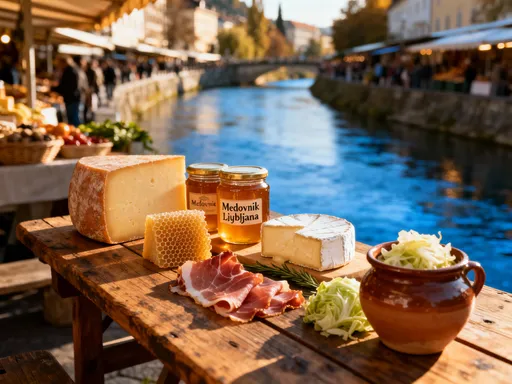
Integral to this experience are the local specialty products that dot the route. These are not mass-produced souvenirs churned out for tourist convenience. Instead, they reflect generations of knowledge, seasonal harvests, and intimate relationships with the land. A jar of wild honey, a bar of botanical soap, or a packet of smoked fish pâté tells a story—of foraging, family recipes, and sustainable practices. By seeking out these items, travelers do more than collect mementos; they participate in a quiet movement of cultural preservation and economic resilience.
Mossel Bay to Wilderness: First Taste of Local Flavors
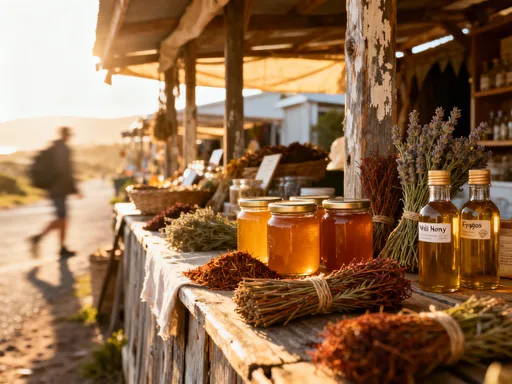
The western gateway to the Garden Route, Mossel Bay, sets the tone for the culinary journey ahead. With a maritime history dating back to early Portuguese explorers, this coastal town blends heritage with innovation. Along the N2 highway, just outside the city center, small stalls begin to appear—modest wooden kiosks adorned with hand-painted signs advertising “fresh snoek,” “homemade biltong,” and “local honey.” These are not mere snack stops; they are outposts of regional pride.
One of the first standout products encountered on the route is smoked snoek pâté. Snoek, a long, silvery fish abundant in South African waters, has long been a staple in coastal kitchens. Traditionally grilled or baked, it’s now being reinvented by artisanal producers who smoke the fish and blend it into rich, spreadable pâtés. These are often packed in recyclable glass jars, labeled with care, and sold alongside crackers made from rooibos-infused flour. The flavor is bold—smoky, slightly oily, and deeply savory—perfect for a mid-drive bite with a view of the ocean.
Equally intriguing are dried kreef chips, a delicacy made from rock lobster. While whole kreef is a luxury dish served in high-end restaurants, the chips are crafted from surplus or smaller specimens, minimizing waste and maximizing flavor. Thinly sliced, lightly seasoned, and slow-dried, they offer a crisp, umami-rich snack that captures the essence of the sea. Finding them at a roadside stall near George feels like uncovering a secret—one that locals are happy to share.
For one traveler, a chance stop at a farm stall between George and Wilderness turned into a lasting ritual. A small bag of spiced apricot and rooibos jerky, made by a mother-daughter duo using a family recipe, quickly became the go-to road-trip snack. Slightly sweet, faintly herbal, and chewy with a satisfying bite, it paired perfectly with iced rooibos tea from a thermos. What began as a curiosity evolved into a tradition—proof that the simplest discoveries often leave the deepest impressions.
Knysna: Where Oysters Meet Craftsmanship
No discussion of the Garden Route’s culinary identity is complete without mentioning Knysna, a town cradled by a vast lagoon and surrounded by forested hills. Renowned for its oyster farming, Knysna hosts an annual Oyster Festival that draws food lovers from across the country. But beyond the festival’s fanfare lies a year-round culture of gastronomic excellence, where local producers transform regional ingredients into artisanal treasures.
The Knysna oyster itself is a point of pride—a briny, plump delicacy grown in the nutrient-rich waters of the lagoon. While many visitors enjoy them fresh on the half shell at waterfront restaurants, fewer know about the value-added products that extend their appeal. Oyster-infused salts, smoked oyster patés, and even oyster mushroom sauces made in collaboration with local foragers are increasingly available at specialty stores and farmers’ markets. These items allow travelers to take a taste of Knysna home, long after their trip ends.
Equally impressive are the botanical oils and preserves that reflect the region’s biodiversity. Fynbos, the shrubland vegetation unique to the Western and Eastern Cape, is not just a visual wonder—it’s a flavor powerhouse. Producers in and around Knysna harvest fynbos varieties like erica and restio to infuse olive oils with floral, herbal notes. These oils elevate simple dishes and serve as a bridge between nature and cuisine. Paired with craft preserves made from wild plums, num-num berries, or wild rosehip, they form the backbone of a gourmet picnic with a sense of place.
One such producer is a small cooperative operating out of a converted barn on the edge of town. Here, a team of foragers and food artisans hand-process seasonal ingredients into award-winning condiments. Their fynbos and honey vinegar won a national prize for innovation, combining wildflower honey with naturally fermented apple cider vinegar. Visitors can tour the facility, watch the bottling process, and even join a foraging walk in the nearby forest. These experiences deepen appreciation for the time, skill, and ecological awareness behind each product.
Plettenberg Bay: Hidden Producers Off the Main Road
East of Knysna, Plettenberg Bay—often called Plett by locals—offers a blend of beachfront relaxation and quiet countryside charm. While many tourists flock to its golden sands and dolphin-watching cruises, the real treasures lie just off the beaten path. A short detour down a gravel road can lead to family-run farms, forest-edge apiaries, and workshops where craftsmanship is passed from one generation to the next.
Among the most remarkable discoveries in this region is organic honey harvested from indigenous forests. Unlike commercial honey from large-scale beekeeping operations, this honey is produced in small batches by beekeepers who prioritize biodiversity and sustainability. Hives are placed deep within the forest, allowing bees to forage on wild fynbos, milkwood blossoms, and protea nectar. The result is a complex, aromatic honey with flavors that shift with the seasons—sometimes floral and light, other times deep and earthy, with a hint of spice.
One beekeeper, a retired teacher who took up apiculture after moving to the area, describes each jar as a “snapshot of the forest.” He avoids artificial feeding, refrains from using chemicals, and harvests only what the hives can spare. His honey is sold at a small roadside stand with a honesty box—no staff, just jars neatly lined up with handwritten labels. Buying from him feels like participating in a quiet pact: respect the land, and it will feed your body and soul.
Visitors who take the time to meet such producers often leave with more than honey. They carry stories—of how the bees survived a dry summer, of the challenges of protecting hives from baboons, of the joy in seeing young locals take interest in sustainable beekeeping. These narratives transform a simple purchase into a shared moment of human connection, rooted in place and purpose.
Tsitsikamma: Wild, Raw, and Full of Flavor
As the Garden Route pushes east into the Tsitsikamma region, the landscape grows bolder. The coastline becomes more dramatic, with towering cliffs, crashing waves, and dense forests that climb right up to the ocean’s edge. This is the heart of the Garden Route National Park, where suspension bridges cross misty ravines and hiking trails wind through ancient yellowwood trees. The vibe here is untamed, elemental—and so are the specialty products found in its small communities.
One standout is wild mushroom sauce, made from foraged chanterelles, morels, and wood ears. Local foragers, often guided by indigenous knowledge, collect these mushrooms during the rainy season, ensuring sustainable harvests that don’t deplete the forest. The mushrooms are cleaned, slow-cooked with garlic and thyme, and preserved in olive oil. The resulting sauce is rich, aromatic, and perfect over grilled bread or roasted vegetables. It’s a taste of the forest floor, captured in a jar.
Another unique offering is buchu tea, made from the leaves of the buchu plant, a medicinal fynbos species used for centuries by the Khoi people. Today, small-scale producers harvest buchu sustainably, drying the leaves to create a fragrant herbal tea with a distinctive minty-camphor flavor. Known for its digestive benefits, buchu tea is sold in hand-labeled tins at community stalls and eco-lodges. Purchasing it supports not only local livelihoods but also the preservation of traditional plant knowledge.
Equally compelling are the handmade leather goods crafted in small tanneries using ethically sourced hides. Unlike mass-produced leather, these items—wallets, belts, and sandals—are dyed with natural pigments and stitched by hand. One artisan in Storms River uses smoke tanning, a traditional method that preserves leather without harsh chemicals. His workshop doubles as a training center for young apprentices, ensuring that these skills are not lost to time. Each product bears the mark of its maker, a quiet testament to durability and care.
Practical Tips for Travelers Seeking Authentic Experiences
For travelers eager to discover these authentic products, knowing where and how to look makes all the difference. The best sources are often the least advertised: weekly farmers’ markets, roadside stalls with handwritten signs, and community cooperatives tucked into village centers. In towns like Knysna and Plettenberg Bay, Saturday morning markets draw local producers who sell directly to the public. These gatherings offer not only fresh goods but also the chance to meet makers, sample products, and learn about their processes.
Telling authentic handmade items from mass-produced souvenirs requires attention to detail. Look for signs of craftsmanship—slight variations in shape or color, natural materials, and packaging that feels personal rather than industrial. Labels that include the producer’s name, location, and harvest date are strong indicators of authenticity. Be wary of items labeled “local style” but made overseas, or honey sold in suspiciously large quantities at low prices—real forest honey is rare and never cheap.
Storage and transport are also important considerations, especially for perishable goods. Many specialty foods—like fresh pâtés, dairy-based spreads, or raw honey—require refrigeration. Travelers should carry a small cooler bag, especially on longer stretches between towns. Jams, dried snacks, and herbal teas are more travel-friendly and can be packed in carry-on luggage. When in doubt, ask the seller for storage advice—they’re usually happy to help and may even wrap items with care for the journey.
Another tip is to plan stops around local events. The Knysna Oyster Festival in winter, the Plett Food & Wine Festival in summer, and smaller harvest celebrations throughout the year offer concentrated opportunities to sample and purchase regional specialties. These events often feature cooking demos, tastings, and direct sales from producers, making them ideal for travelers who want a curated yet authentic experience.
Why Specialty Products Matter: Travel That Gives Back
Beyond their taste and craftsmanship, these specialty products represent something deeper: a model of travel that gives back. When visitors buy directly from local producers, a far greater share of their spending stays within the community. This support sustains small farms, preserves traditional skills, and empowers rural entrepreneurs—especially women and youth—who might otherwise lack economic opportunities.
Moreover, these purchases help protect the region’s ecological and cultural heritage. Sustainable harvesting, organic farming, and eco-friendly production methods are not marketing gimmicks here—they are necessities for survival. By choosing products that honor these values, travelers become allies in conservation, helping to maintain the very landscapes that make the Garden Route so special.
But perhaps the most lasting impact is emotional. There is a quiet power in looking a maker in the eye, hearing their story, and carrying home a piece of their world. These moments transform tourism from passive observation into active connection. They remind us that travel is not just about where we go, but how we engage—with curiosity, respect, and gratitude.
The Garden Route, in all its natural beauty, is more than a destination. It is a living tapestry woven from taste, tradition, and human effort. The cliffs, forests, and beaches will always draw visitors, but it is the hidden flavors—the honey, the pâté, the fynbos oil—that give the journey soul. To drive this route and miss its handmade treasures is to see only the surface. To seek them out is to travel deeply, meaningfully, and with heart.