You Won’t Believe What Agra’s Culture Hides Beyond the Taj
Agra isn’t just about one iconic marble monument — it’s a living, breathing hub of Mughal heritage, vibrant crafts, and soulful traditions. I went looking for the Taj Mahal but stayed for the music in the air, the rhythm of artisan hammers, and the warmth of locals keeping centuries-old customs alive. This is a city where culture pulses in every alley, from forgotten mosques to bustling bazaars. If you’re chasing more than photo ops, Agra’s true magic lies in its living traditions — and you’re about to discover them.
Beyond the Postcard: Agra’s Cultural Soul
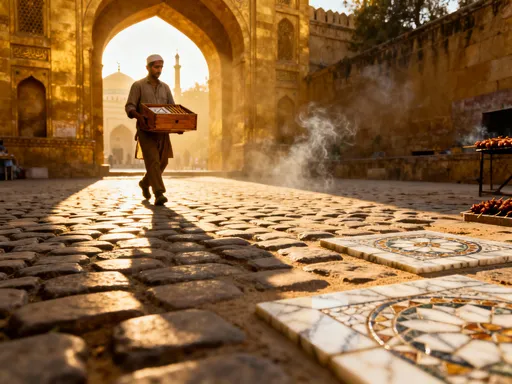
Agra is often reduced to a single image: the flawless reflection of the Taj Mahal in its long pool, framed by cypress trees and morning mist. But this city is far more than a postcard-perfect monument. To see Agra only through the lens of its most famous landmark is to miss the heartbeat of a culture that has thrived for over four centuries. Beyond the marble domes and symmetrical gardens lies a city rich with layered history, enduring craftsmanship, and daily rituals passed down through generations. The real story of Agra unfolds not in guidebooks, but in the alleys behind the tourist lanes, where chai vendors call out to neighbors, children chase kites near ancient walls, and the scent of sandalwood and grilled meat drifts through the air at dusk.
Most visitors arrive with cameras ready, focused on capturing the perfect sunrise shot of the Taj. Yet, those who linger discover a deeper rhythm — one shaped by Mughal grandeur, artisan pride, and community life. The city’s cultural soul is rooted in its past as an imperial capital, where emperors like Akbar, Jahangir, and Shah Jahan shaped art, architecture, and governance. Today, that legacy lives on not just in monuments, but in the way people live, work, and celebrate. From the early morning call to prayer echoing near the 16th-century Jama Masjid to the clatter of hammers in marble workshops, Agra breathes history.
Cultural immersion transforms a brief visit into a meaningful journey. When travelers engage with local life — tasting street food where families eat, listening to music in historic courtyards, or watching artisans craft intricate designs by hand — they move beyond observation into connection. This kind of travel fosters respect, curiosity, and lasting memories. Agra offers this depth in abundance, if one is willing to look past the obvious. The city invites you not just to see, but to feel — to walk its streets with awareness and openness, and to discover that its greatest treasures are not always the most photographed.
Step Into Mughal Living History
While the Taj Mahal draws millions, Agra Fort stands as a quieter but equally powerful testament to Mughal power and artistry. Built largely by Emperor Akbar in the 16th century and later expanded by Shah Jahan, this massive red sandstone fortress was not just a military stronghold but a royal residence, court, and center of governance. Walking through its grand gates, visitors enter a world of courtyards, audience halls, and private chambers where emperors once made decisions that shaped the subcontinent. Unlike the Taj, which was built as a mausoleum, Agra Fort was a living, working seat of empire — and its walls still echo with stories of ambition, love, and exile.
One of the most poignant spaces within the fort is the Musamman Burj, an octagonal tower with delicate marble latticework overlooking the Yamuna River. It was here that Shah Jahan, imprisoned by his son Aurangzeb, spent his final years gazing at the Taj Mahal — the tomb he built for his beloved wife, Mumtaz Mahal. Standing in this chamber, visitors often fall silent, struck by the contrast between the beauty of the view and the sorrow of its history. The fort is filled with such moments — places where history feels immediate and personal, where stone and shadow seem to hold memory.
Guided storytelling tours, offered in English, Hindi, and other languages, help bring these spaces to life. Knowledgeable local guides share not just facts, but narratives — about Akbar’s vision of religious tolerance, about the daily routines of royal women in the zenana, about the architectural ingenuity that allowed cool air to circulate through palaces in the sweltering heat. These tours transform the fort from a static monument into a dynamic narrative, making history accessible and emotionally resonant. For travelers, especially those with families, this kind of engagement turns a sightseeing stop into an unforgettable learning experience.
The fort also reveals the Mughal aesthetic in everyday details — the inlay work on marble floors, the symmetry of gardens, the acoustics of the Diwan-i-Khas, where whispers could be heard from one end to the other. These elements were not just decorative; they reflected philosophical ideas about order, harmony, and divine presence. By paying attention to such details, visitors gain a deeper appreciation for the sophistication of Mughal culture. Agra Fort, therefore, is not merely a companion to the Taj — it is a window into the world that made the Taj possible.
The Craftsmen Behind the Marble Magic
The same artistry that adorns the Taj Mahal lives on in the hands of Agra’s master craftsmen. The intricate floral patterns, vines, and calligraphy inlaid in white marble are created using a technique called pietra dura — the precise fitting of semi-precious stones like lapis lazuli, jade, and turquoise into marble. This centuries-old craft, perfected under Shah Jahan, is still practiced today in small workshops tucked into the lanes near Sadar Bazaar. These are not tourist traps with mass-produced souvenirs, but working studios where families have passed down skills from father to son for generations.
Visiting one of these ethical workshops offers a rare glimpse into a vanishing art. The process is painstaking: artisans first sketch the design onto marble, then carefully cut tiny channels with hand tools. Each stone is shaped by hand, polished, and fitted into place without glue — held by friction and precision alone. A single small panel can take weeks to complete. The concentration required is immense; a single misaligned piece can disrupt the entire pattern. Watching a craftsman work is like witnessing meditation in motion — quiet, focused, deeply skilled.
Yet, this tradition faces real challenges. Cheaper machine-made imitations flood the market, and younger generations are often drawn to more lucrative careers. Many artisans struggle to earn a fair wage, despite the time and expertise their work demands. Travelers can play a role in preserving this heritage by supporting authentic craftsmanship. Visiting reputable workshops that treat artisans fairly, asking questions about the process, and purchasing directly — even a small inlaid coaster or jewelry box — makes a difference. It’s not about buying souvenirs; it’s about honoring a living tradition.
Some workshops also offer short demonstrations or hands-on sessions, where visitors can try their hand at simple inlay work under guidance. These experiences are especially meaningful for families, offering children a tangible connection to history and art. More importantly, they foster respect for the skill involved. When travelers understand the labor behind a piece, they are less likely to haggle aggressively or view it as mere decoration. Supporting ethical craftsmanship is one of the most impactful ways to engage with Agra’s culture — not as consumers, but as appreciative witnesses to a legacy that deserves to endure.
Sounds of the City: Music, Dance, and Spiritual Rhythms
Agra’s cultural life is not confined to stone and craft — it resonates in sound. The city has long been a center for classical and devotional music, shaped by Mughal patronage and Sufi traditions. In quiet corners of old Agra, one can still hear the strains of sitar and tabla, the soaring vocals of qawwali, and the rhythmic chanting of spiritual gatherings. These are not performances staged for tourists, but living expressions of faith, art, and community.
One of the most moving experiences is attending a qawwali night at a historic dargah, or Sufi shrine. Held in the evening, often after sunset prayers, these gatherings bring together devotees and curious visitors in dimly lit courtyards. The musicians sit in a semicircle, clapping in unison as the lead singer recites poetry in praise of God and the Prophet. The tempo builds slowly, voices rising in call-and-response, until the entire audience is caught in the rhythm. There is no separation between performer and listener — everyone is invited to participate, to feel the music in their chest, to lose themselves in devotion.
These events are deeply spiritual, yet welcoming to respectful outsiders. Many locals appreciate when visitors listen quietly, clap at the right moments, and avoid using flash photography. Some heritage havelis also host classical music recitals, often featuring young musicians trained in the Agra gharana, a renowned school of Hindustani classical music. These intimate concerts, held in candlelit courtyards, offer a rare chance to experience India’s musical heritage in an authentic setting.
For travelers, engaging with Agra’s musical traditions is a way to connect with the city’s soul. Unlike recorded music or stage shows, these gatherings are alive with emotion and spontaneity. They remind us that culture is not just something to be seen, but to be felt. Participating — even silently — fosters a sense of belonging, of being part of something larger. And for families, introducing children to this music can spark a lifelong appreciation for the power of sound and story.
Flavors That Tell a Story: Agra’s Culinary Heritage
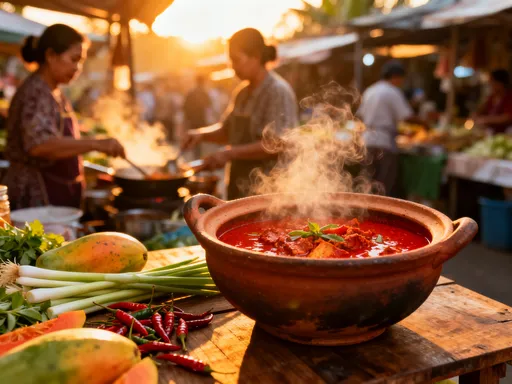
No exploration of Agra’s culture is complete without tasting it. The city’s cuisine is a direct descendant of Mughal royal kitchens, where rich gravies, slow-cooked meats, and delicate sweets were perfected for emperors. Today, these flavors remain accessible in homes, street stalls, and family-run eateries. Food in Agra is not just sustenance — it is memory, identity, and hospitality made edible.
One cannot visit Agra without trying petha, the city’s most famous sweet. Made from candied ash gourd, flavored with rose water or saffron, and sometimes filled with dry fruits, petha comes in translucent white, bright yellow, or even glowing green varieties. Its origins trace back to the 17th century, when it was offered as prasad at temples. Today, shops in Kinari Bazaar sell thousands of kilograms each day, but the best petha is still made in small batches using traditional methods. Travelers are encouraged to seek out vendors with clean, well-organized stalls — hygiene matters, especially with perishable sweets.
Equally iconic is dalmoth, a spicy, crunchy snack mix of lentils, nuts, and fried dough bits. Often sold in colorful paper cones, it’s a favorite among locals and visitors alike. Then there are the kebabs — succulent chunks of marinated meat grilled over charcoal, served with mint chutney and naan. Try the boti kebab or galouti kebab, both known for their tenderness and complex spice blends. Many of these recipes have been passed down through generations, with families guarding their spice mixes like secrets.
A food walk through Kinari Bazaar offers more than just tasting — it’s a journey through history and community. Vendors share stories about their recipes, the origins of ingredients, and how certain dishes became local staples. Eating where locals eat — at small stalls or family-run dhabas — ensures authenticity and supports the community. It also provides a more genuine experience than tourist-focused restaurants. For families, such walks are both educational and enjoyable, helping children understand how food connects people across time and culture.
Hidden Courtyards and Forgotten Mosques: Offbeat Cultural Spots
While the Taj and Agra Fort are essential, the true depth of Agra’s culture lies in its lesser-known spaces. These offbeat sites offer tranquility, beauty, and a chance to experience the city as locals do. Mehtab Bagh, a charbagh garden across the Yamuna River from the Taj, is one such place. Often overlooked, it offers an uninterrupted view of the monument at sunset, when the marble glows amber and pink. Unlike the crowded south gate, Mehtab Bagh is quiet, shaded by trees, and filled with the sound of birds. It was originally designed as a moonlight garden, and on clear nights, the Taj reflects perfectly in its central pool.
Another hidden gem is the Jama Masjid, built by Shah Jahan’s daughter, Jahanara Begum. While not as large as Delhi’s Jama Masjid, it is elegant in its simplicity, with red sandstone arches and a peaceful courtyard. Most tourists skip it in favor of the Taj, but those who visit find a place of quiet reflection, where locals come to pray and rest in the shade. Sitting in a corner with a notebook or simply observing the flow of daily life offers a rare moment of stillness.
Other quiet spots include the tomb of Itimad-ud-Daulah, often called the “Baby Taj,” which features exquisite pietra dura work and a serene garden. Or the abandoned palace of Akbar at Sikandra, where peacocks roam freely and the air is thick with history. These places are not on every itinerary, but they enrich the journey. They invite slower travel — looking closely, listening, and being present.
When visiting such sites, a few simple rules enhance the experience: arrive early to avoid heat and crowds, dress modestly (shoulders and knees covered), and speak softly. Carrying a scarf or shawl is wise for women, both for sun protection and respect. Photography is generally allowed, but always ask before photographing people, especially during prayer. These small gestures show care and build goodwill. For travelers seeking more than checklist tourism, these hidden corners offer the most authentic connection to Agra’s spirit.
Traveling with Respect: How to Engage Culture Mindfully
As Agra welcomes more visitors each year, the way we travel matters more than ever. Cultural tourism, when done mindfully, can support local communities, preserve traditions, and foster mutual understanding. But when approached carelessly, it can reduce living heritage to spectacle. The key is intention — to move through the city not as consumers of culture, but as respectful guests.
Photography is a prime example. While capturing memories is natural, pointing cameras at people without permission — especially in religious or private spaces — can feel invasive. A simple smile and gesture asking consent goes a long way. In workshops, mosques, or homes, it’s best to ask the guide or host first. When photographing artisans, avoid disrupting their work; wait for a pause, and thank them afterward. Some may welcome the attention, others may not — and both responses deserve respect.
Supporting local artisans fairly is another crucial practice. Avoid buying mass-produced imitations sold by aggressive touts near the Taj. Instead, visit ethical workshops, ask about the makers, and pay a fair price. Bargaining is common, but it should not come at the expense of dignity. Remember: a beautifully inlaid box represents weeks of labor. Paying fairly honors that effort.
Travelers should also be cautious of “cultural shows” that package traditions for entertainment — dancing in costume, staged rituals, or performances that lack authenticity. These often exploit performers and distort culture. Instead, seek out genuine community events — a real qawwali night, a local festival, a family invitation to share a meal. These moments, though unplanned, are the most meaningful.
Ultimately, traveling with respect means approaching Agra with curiosity, humility, and gratitude. It means listening more than speaking, observing more than photographing, and giving more than taking. When done this way, a visit to Agra becomes more than a trip — it becomes a bridge between worlds. The city’s true magic lies not just in its monuments, but in the way it opens hearts. And for those who look beyond the postcard, Agra offers not just beauty, but belonging.