You Won’t Believe What I Discovered at Hiroshima’s Hidden Cultural Spots
Hiroshima is so much more than its history—it’s a living, breathing city full of tradition, warmth, and unexpected charm. I went looking for peace, but found so much more: ancient tea ceremonies, vibrant festivals, and locals who welcomed me like family. If you think Hiroshima is just about memorials, trust me, you’re missing half the story. Let me show you the cultural soul of this incredible city—real, raw, and absolutely unforgettable.
Beyond the Peace Park: Hiroshima’s Living Culture
When most travelers think of Hiroshima, their minds turn immediately to the Peace Memorial Park and the profound lessons it carries. And rightly so—the park stands as a solemn, powerful reminder of history and humanity’s capacity for both destruction and healing. Yet to see Hiroshima only through the lens of its past is to overlook the vibrant, forward-moving spirit that defines the city today. Beyond the monuments lies a community deeply rooted in tradition, creativity, and connection. From seasonal festivals that fill the streets with music and color to centuries-old crafts still practiced with pride, Hiroshima is a city that honors memory while embracing life.
The resilience of Hiroshima is not just a historical footnote; it is lived daily in the rhythm of its neighborhoods, the warmth of its people, and the care with which cultural heritage is preserved. This living culture offers visitors a richer, more layered understanding of what the city represents. It’s one thing to learn about peace from a museum exhibit; it’s another to feel it in the quiet concentration of a tea master, the laughter of children at a summer festival, or the welcoming smile of a local shopkeeper who shares a story over a steaming plate of okonomiyaki. These moments, small and authentic, reveal the true heart of Hiroshima.
For travelers seeking meaningful experiences, engaging with this cultural fabric is essential. It shifts the narrative from one of tragedy to one of hope, continuity, and human connection. By stepping beyond the well-trodden path of memorials, visitors open themselves to a deeper, more personal encounter with the city. Whether through food, art, or conversation, Hiroshima invites you not just to observe, but to participate. And in doing so, you don’t just remember the past—you become part of the city’s ongoing story.
Morning at a Traditional Tea House in Shukkei-en Garden
Nestled in the heart of Hiroshima, just a short walk from the bustling downtown, Shukkei-en Garden offers a sanctuary of stillness and beauty. Designed in the 17th century as a daimyo’s retreat, this traditional Japanese stroll garden unfolds like a living scroll painting, with winding paths, arched bridges, and carefully placed stones that invite contemplation. On a misty morning, when the koi glide beneath the surface of the central pond and the first light filters through maple and pine, the garden feels untouched by time. It is here, in a small wooden tea house overlooking the water, that one of Hiroshima’s most peaceful cultural experiences awaits.
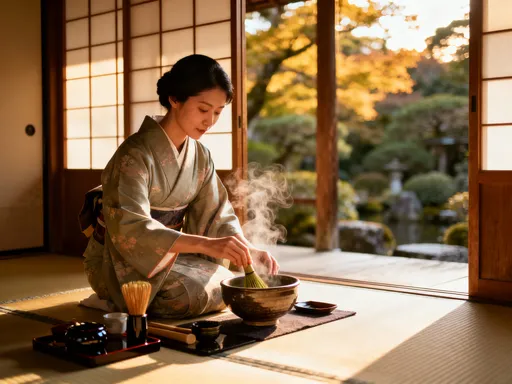
The tea ceremony, or chanoyu, is more than a ritual of preparation and serving; it is a meditation in motion, a practice rooted in harmony, respect, purity, and tranquility. As I removed my shoes and stepped onto the tatami mat, the air carried the faint scent of roasted green tea and tatami straw. The tea master, dressed in a muted kimono, moved with deliberate grace, each gesture precise and meaningful. The sound of boiling water in the iron kettle, the soft whisking of matcha into a frothy emerald brew, the careful passing of the bowl—every detail was part of a centuries-old tradition that felt both ancient and immediate.
For visitors, participating in a tea ceremony at Shukkei-en is not only accessible but deeply rewarding. Sessions typically last between 45 minutes to an hour and are offered throughout the day, often with English explanations available. No prior knowledge is required, though a few simple etiquette points enhance the experience: bow slightly when receiving the tea bowl, turn it gently to avoid drinking from the front, savor the bitter-sweet flavor, and express quiet gratitude. Booking in advance is recommended, especially during peak seasons, and can be arranged through the garden’s visitor center or local cultural tourism programs. This is not a performance for tourists; it is a genuine invitation into a quiet, reflective world that continues to thrive in modern Hiroshima.
Exploring Local Craftsmanship: The Art of Hiroshima’s Bamboo Weavers
Just beyond the well-known attractions, in quiet side streets and modest workshops, Hiroshima preserves a quieter form of artistry: bamboo weaving. Though often overshadowed by more famous crafts from other regions, this delicate tradition remains alive in the hands of dedicated artisans who spend decades mastering their skill. Unlike mass-produced souvenirs, these handwoven baskets, trays, and decorative pieces carry the imprint of time, patience, and cultural continuity. To visit one of these small studios is to step into a world where rhythm and precision shape beauty from nature’s simplest materials.
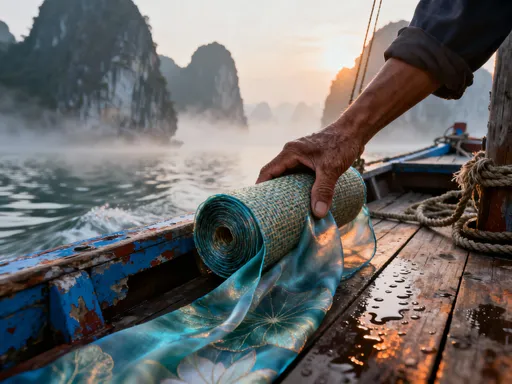
I was fortunate to spend an afternoon with a third-generation weaver in a sunlit atelier near the city’s eastern edge. The space was unassuming—a low wooden building with shelves lined with finished pieces and raw bamboo stalks leaning in the corner. The moment I entered, I was struck by the sound: the crisp snap of bamboo being split, the soft rustle of strands being sorted, and the quiet concentration of hands moving with practiced ease. The artisan explained that each piece begins with selecting the right bamboo—harvested in winter, dried for months, and split into strips as thin as ribbon. The weaving itself can take days or even weeks, depending on the complexity of the pattern, which often draws from nature: waves, flowers, or geometric motifs passed down through generations.
What makes this craft so special is not just its aesthetic, but its connection to daily life and seasonal traditions. Bamboo items are used in tea ceremonies, household storage, and even religious offerings. While few workshops offer full hands-on classes, many welcome visitors for observation and brief demonstrations. Some cultural centers in Hiroshima organize seasonal craft tours, allowing travelers to meet artisans, learn basic techniques, and purchase authentic pieces directly. Supporting these craftspeople is not only a way to bring home a meaningful souvenir but also a way to help preserve a vanishing art form. In a world of fast production, Hiroshima’s bamboo weavers remind us of the value of slow, intentional creation.
A Day at Miyajima: More Than Just the Floating Torii
No visit to Hiroshima is complete without a trip to Miyajima, the sacred island famed for its "floating" torii gate that appears to rise from the sea at high tide. A UNESCO World Heritage site, the Itsukushima Shrine draws thousands of visitors each year, and for good reason—its grandeur and setting are breathtaking. But to experience Miyajima only as a photo opportunity is to miss the island’s deeper cultural rhythm. Beyond the shrine, life unfolds in a quiet, timeless way: monks chant morning prayers at Daisho-in Temple, local vendors sell fresh oysters and momiji manjuu (maple-shaped cakes), and deer roam freely, regarded as messengers of the gods.
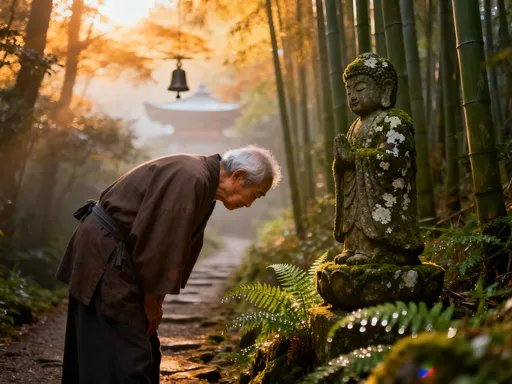
One of the most moving experiences I had was attending a small morning ritual at Daisho-in, a Buddhist temple known for its intricate mandalas and spiritual atmosphere. As the sun rose over the hills, the sound of sutras filled the air, accompanied by the gentle ringing of bells. Visitors were welcome to observe quietly, light incense, and receive a blessing from a monk. Unlike the more tourist-heavy areas, this moment felt intimate and authentic, a reminder that Miyajima is not just a destination, but a place of living faith and tradition. The temple also hosts seasonal ceremonies, such as the autumn lantern festival, when hundreds of paper lights illuminate the pathways, creating a dreamlike glow through the forest.
For those seeking a richer experience, timing your visit to coincide with local events can make all the difference. The island’s calendar includes traditional music performances, purification rituals, and craft fairs that showcase local artisans. Even a simple walk through the Omotesando shopping street in the early morning, before the crowds arrive, offers a chance to see daily life unfold—fishermen returning with their catch, shopkeepers arranging displays, and elderly residents greeting one another with familiar warmth. Miyajima’s magic lies not just in its iconic gate, but in these quiet, human moments that connect past and present.
Taste the Tradition: Hiroshima-Style Okonomiyaki, Made Right
If there is one dish that captures the spirit of Hiroshima, it is okonomiyaki—the savory, layered pancake that locals affectionately call "yum on the grill." Unlike the Osaka version, which mixes ingredients into a single batter, Hiroshima’s take is built in layers: a thin crepe, shredded cabbage, bean sprouts, your choice of protein (often pork or seafood), a fried egg on top, and a generous drizzle of tangy-sweet sauce, mayonnaise, and bonito flakes that dance in the heat. The result is a hearty, flavorful dish that feels both comforting and celebratory, a culinary emblem of the city’s creativity and resilience.
I had my most memorable okonomiyaki at a family-run restaurant in Naka-ku, a modest spot with red vinyl stools and walls covered in photos of regulars. The chef, a woman in her sixties with quick hands and a warm laugh, worked the steel griddle with confidence, flipping ingredients with a spatula while chatting with customers. As she layered the cabbage—an astonishing two or three pounds per serving—she explained that freshness is key. "The cabbage holds the flavor," she said, "and it must be crisp, never soggy." Watching her assemble the dish was a performance in itself: the sizzle of pork, the crack of the egg, the final flourish of sauce and seaweed flakes.
For visitors, eating okonomiyaki like a local means more than just ordering it—it means engaging with the culture around it. Many restaurants have griddles at the counter, allowing you to watch the process up close or even try your hand with guidance. The best neighborhoods to explore include Hatchobori and Kamiyacho, where clusters of okonomiyaki shops offer friendly competition and subtle variations in style. Some serve it with squid, others add cheese or noodles—Hiroshima-style okonomiyaki is, after all, "as you like it," as the name suggests. But beyond taste, what makes this dish special is its role as a social food, often shared among friends and families, a symbol of warmth and togetherness in a city that values connection above all.
Festivals That Bring the City to Life
Every May, Hiroshima transforms. The Hiroshima Flower Festival takes over the streets around Peace Boulevard, turning the city into a stage for music, dance, and community celebration. For three days, traffic yields to performers in colorful costumes, children in bright yukata, and elders sharing stories on park benches. Live stages feature everything from taiko drumming to folk dances, while food stalls offer local specialties and handmade crafts. The atmosphere is joyful, inclusive, and deeply rooted in local pride. This festival is not a spectacle for tourists; it is a genuine expression of the city’s spirit, a reminder that life, beauty, and culture flourish here every day.
Walking through the festival, I was struck by how seamlessly past and present coexist. Near the Peace Memorial Museum, a group of schoolchildren performed a peace-themed dance, their movements graceful and solemn. Just a block away, a brass band played upbeat tunes, drawing families into spontaneous dancing. Vendors sold paper cranes alongside cotton candy, and community groups handed out pamphlets on environmental initiatives and cultural preservation. The festival doesn’t shy away from history, but it also refuses to be defined by it. Instead, it celebrates what Hiroshima has built: a vibrant, forward-looking city that cherishes peace not as a distant ideal, but as a lived value.
For travelers, timing a visit to coincide with the Flower Festival offers a rare glimpse into the city’s heart. Events are free and open to all, with information available at tourist centers and the official Hiroshima tourism website. But even outside festival season, smaller neighborhood celebrations occur year-round—summer bon-odori dances, shrine festivals, and seasonal markets. These events, though less publicized, offer equally rich opportunities to connect with locals and experience traditions in an intimate setting. Participating respectfully—by clapping along, trying a local dance, or simply smiling and saying "arigatou" (thank you)—opens doors that no guidebook can.
Connecting with Locals: The Heart of Cultural Travel
Throughout my time in Hiroshima, the most lasting memories were not the sights, but the people. The elderly woman who offered me a sample of her homemade pickles at a morning market. The young potter who invited me into her studio to see her latest glaze experiments. The high school student who practiced English with me while we waited for the ferry to Miyajima. These small, unplanned interactions were not just kind gestures; they were windows into the city’s character—warm, open, and deeply hospitable.
In a world of fast travel and curated experiences, slowing down to connect with locals can feel challenging, but in Hiroshima, it happens naturally. Many residents appreciate when visitors make an effort to learn a few Japanese phrases, even simple ones like "konnichiwa" (hello) or "sumimasen" (excuse me). Showing genuine curiosity about their lives, their work, or their city often leads to unexpected invitations or recommendations that no app can provide. One shopkeeper, after learning I was interested in traditional crafts, wrote down the address of a small indigo-dyeing studio tucked away in a residential neighborhood—a place I would have otherwise missed.
This kind of travel—slow, respectful, and human-centered—transforms tourism from observation into relationship. It moves beyond checking landmarks off a list and into the realm of understanding. In Hiroshima, where memory and hope are so closely intertwined, these connections take on deeper meaning. To be welcomed by someone whose family lived through the city’s darkest hour, and who now shares their culture with openness and grace, is a profound gift. It reminds us that travel is not just about where we go, but how we engage, listen, and remember.
Hiroshima’s true beauty lies not just in its monuments, but in its people, traditions, and quiet moments of grace. By diving into its cultural activities—from tea to food to craft—you don’t just visit; you understand. This city doesn’t just remember the past; it builds a meaningful future, one shared moment at a time. Go, explore, and let Hiroshima surprise you.