You’ve Never Seen Frankfurt Like This – Hidden Bites Beyond the Guidebooks
Frankfurt isn’t just banks and business towers—trust me, I was shocked too. Tucked behind its polished skyline are intimate alleyways humming with culinary secrets only locals dare to whisper about. I stumbled upon family-run kitchens, forgotten courtyards serving century-old recipes, and markets alive with bold flavors no tourist map warns you about. This isn’t dining; it’s discovery. If you're craving authentic, off-the-radar food experiences that define real German soul, let’s dive into the Frankfurt few ever taste.
Rethinking Frankfurt: Beyond Finance and Fassbrause
When most travelers think of Frankfurt, they picture glass-clad skyscrapers, the European Central Bank, and business professionals rushing between meetings. Yet beneath this modern exterior lies a city rich in tradition, resilience, and flavor. Frankfurt’s identity has always been more than financial—it is a crossroads of cultures, a historical trade hub, and a keeper of culinary customs that stretch back centuries. The city’s food culture, in particular, reveals a side of Germany that postcards rarely capture: warm, hearty, and deeply personal.
The narrative of Frankfurt as a corporate capital often overshadows its neighborhoods, where generations have preserved customs through food, festivals, and daily rituals. These communities don’t serve meals for spectacle—they cook for connection. Their kitchens are not designed for Instagram fame but for family gatherings, neighborhood friendships, and seasonal celebrations. To experience Frankfurt authentically is to step away from the main squares and venture into districts where life unfolds at a human pace, where food is not a product but a language.
Specialty dining in these local pockets offers travelers a rare intimacy. Unlike tourist-centric restaurants that adapt menus for broad appeal, hidden kitchens maintain authenticity because they are built for locals, by locals. Here, dishes are not simplified or modified—they are served as they’ve been for decades, sometimes longer. This authenticity is what transforms a meal into a cultural encounter. Whether it’s a steaming plate of Grüne Soße in summer or a slow-cooked Sauerbraten in winter, these flavors carry stories of home, heritage, and the quiet pride of culinary continuity.
The Allure of Off-the-Beaten-Path Dining
Off-the-beaten-path dining is more than a trend—it’s a return to the essence of what food travel should be. These experiences are defined not by their location on a map, but by their atmosphere, ownership, and authenticity. An off-the-radar restaurant is often small, family-operated, and frequented primarily by residents who’ve been coming for years. There are no flashy signs, no online influencers, and no English-only menus—just honest food made with care.
What makes these places special is their role as guardians of tradition. Many serve regional specialties using recipes passed down through generations. Techniques are preserved not for nostalgia, but because they work—because slow fermentation, wood-fired ovens, or hand-rolled dough simply produce better results. In a world of fast food and globalized menus, these kitchens are quiet acts of resistance, keeping local flavors alive one meal at a time.
The emotional reward of discovering such a place is profound. There’s a quiet thrill in stepping into a dimly lit tavern where the owner greets regulars by name, or finding a courtyard café where the scent of baking bread fills the air before you even see the entrance. These moments feel earned, not handed to you by a tour guide. They invite you to slow down, observe, and participate—not as a spectator, but as a guest. And in that shift, travel becomes more meaningful. You’re no longer just visiting a place; you’re beginning to understand it.
Moreover, off-the-beaten-path dining fosters deeper human connection. In a family-run eatery, the chef might explain how their grandmother prepared potato dumplings, or the server may recommend a wine pairing based on your mood. These interactions, though brief, create lasting memories. They remind us that food is not just sustenance—it’s a bridge between people, a shared experience that transcends language and background.
Sachsenhausen: Where Tradition Simmers in Every Pot
If there’s one district that embodies Frankfurt’s culinary soul, it’s Sachsenhausen. Nestled south of the Main River, this historic neighborhood is the heart of the city’s Apfelwein (apple wine) culture. Here, cobblestone streets wind past half-timbered houses that have stood for centuries, many of which now house traditional Ebbelwoi pubs—cozy, wood-paneled taverns where locals gather over tart, fermented cider served in distinctive 0.25-liter glasses called Bembels.
These taverns are more than drinking spots—they are community centers, where conversations flow as freely as the apple wine. Families celebrate milestones here, friends reunite after work, and newcomers are welcomed with a nod and a shared plate. The food is robust and deeply rooted in Hessian tradition: Handkäse mit Musik—a tangy, marinated cheese served with a dressing of oil, vinegar, onions, and caraway—is a staple. The name, humorously, refers to the digestive effects of the onions, but locals eat it without hesitation, often paired with a crisp glass of Ebbelwoi.
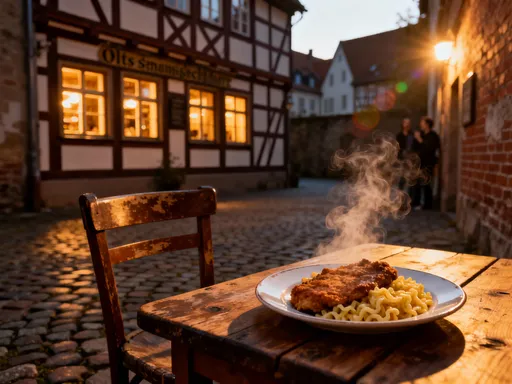
Other classics include Frankfurter Schnitzel (a breaded veal cutlet, distinct from the more famous Wiener Schnitzel), and Grüne Soße, a cold herb sauce made with seven fresh greens, traditionally served with boiled potatoes and hard-boiled eggs. Legend has it that Johann Wolfgang von Goethe, Frankfurt’s most famous son, was so fond of Grüne Soße that he requested it even while traveling. Today, many Sachsenhausen kitchens still prepare it using the same method, sourcing herbs from nearby gardens.
To fully appreciate Sachsenhausen, walk without a strict itinerary. Start at the Alter Markt, the old town square, and wander through the narrow lanes branching off toward the river. Visit Weck, Worscht un Woi, a no-frills pub where the menu is scribbled on a chalkboard and the tables are close enough to hear neighboring conversations. Or try Zum Gemalten Haus, one of the oldest inns in the city, where the wooden beams bear carvings from centuries past. Visit in the late afternoon, before the dinner rush, to enjoy a quieter atmosphere and perhaps a chat with the owner.
Bornheim’s Market Magic and Multicultural Flavors
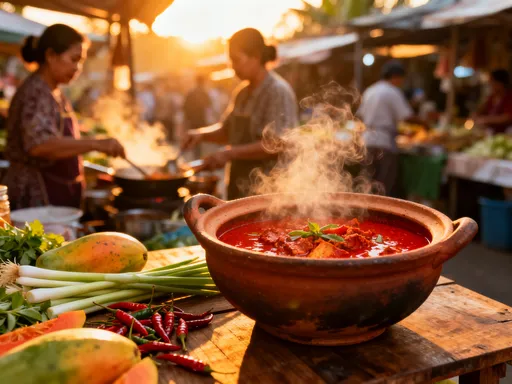
A short walk from Sachsenhausen lies Bornheim, a vibrant, residential district known for its diversity and its exceptional weekly market. Every Wednesday and Saturday, the Markthalle and surrounding stalls come alive with color, scent, and sound. Farmers, bakers, cheesemakers, and spice vendors set up shop, offering everything from organic strawberries to freshly smoked trout. But what truly sets Bornheim apart is its culinary fusion—a reflection of Frankfurt’s long history as a city of immigrants.
Here, traditional German ingredients meet global influences in unexpected and delicious ways. A Turkish vendor might serve gözleme—thin, grilled flatbreads filled with spinach and feta—using locally sourced dairy. A Lebanese stand offers mezze platters with hummus, baba ganoush, and warm pita, but adds a German twist with pickled beets or spätzle on the side. Vietnamese stalls sell bánh mì sandwiches with marinated pork and fresh herbs, but use crusty local baguettes and sometimes even add a slice of Emmental cheese.
This blending of flavors isn’t gimmicky—it’s organic, born from decades of coexistence and mutual appreciation. Many of these vendors have operated in Bornheim for generations, adapting their recipes to include local ingredients while preserving the soul of their heritage. For visitors, this creates a unique tasting journey: one bite might be deeply rooted in Middle Eastern tradition, the next might surprise with a hint of Black Forest ham or mustard from Düsseldorf.
To make the most of Bornheim Market, come with an open mind and a reusable tote bag. Start at one end and move slowly, sampling as you go. Try a warm pretzel from the Bavarian baker, then a dolma from the Armenian vendor. Pair a slice of quiche from the French stall with a glass of fresh apple juice from Hesse. If you’re visiting on a Saturday morning, arrive early—by 11 a.m., the market is bustling, and the best items sell out quickly. After your tour, find a bench in the nearby park and enjoy your haul like a local picnic.
Alt-Sachsenhausen’s Forgotten Courtyard Eateries
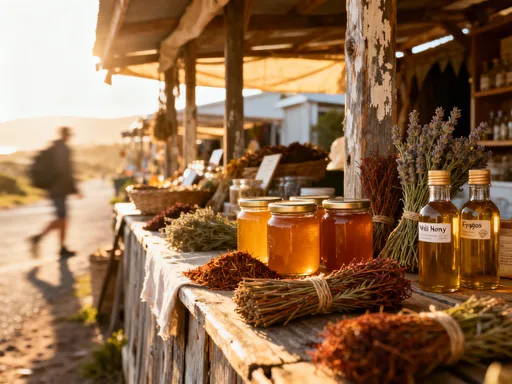
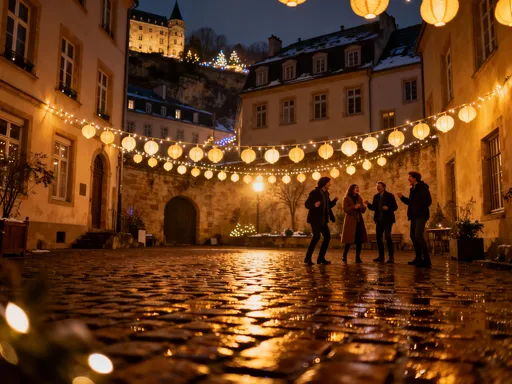
Hidden within the old quarter of Sachsenhausen are some of Frankfurt’s best-kept culinary secrets: restaurants tucked into medieval-style courtyards, accessible through unmarked archways or narrow passageways. These spaces, often invisible from the street, feel like stepping into another era. Stone walls, ivy-covered arches, and the soft clink of wine glasses create an atmosphere of quiet elegance—yet the food remains grounded in tradition.
One such spot is a family-run restaurant located behind a weathered wooden door on a quiet lane. Inside, a secluded garden courtyard hosts just twelve tables, each set with linen napkins and candles in repurposed wine bottles. The menu changes with the seasons: in spring, you might find asparagus from the Rhine Valley with hollandaise and potatoes; in autumn, duck breast with red cabbage and spiced apple compote. The chef, a third-generation cook, sources nearly everything from regional farms, ensuring freshness and supporting local agriculture.
These courtyard eateries often specialize in Hessian cuisine, a rustic and flavorful style centered on seasonal ingredients, hearty preparations, and time-honored techniques. Dishes like Handkäse, Rippchen (cured pork chops), and Kartoffelklöße (potato dumplings) are staples. What sets them apart is the attention to detail—how the onions in the Handkäse are slowly caramelized, or how the Rippchen are smoked over beechwood for hours. These nuances are not advertised; they are simply part of the standard.
Finding these places requires curiosity and a willingness to explore. Look for small signs in German, or follow the scent of roasting meat. Some entrances are so subtle they resemble private residences—knock gently if the door is closed, or wait for a staff member to emerge. The best times to visit are weekday evenings or Sunday afternoons, when the pace is slower and the chefs are more likely to engage with guests. Reservations are often essential, as seating is limited and word-of-mouth keeps these spots popular among locals.
Practical Tips for Authentic Food Exploration
Exploring Frankfurt’s hidden food scene is rewarding, but a few practical considerations can make the experience smoother and more respectful. First, while many younger Germans speak English, older generations and family-run establishments may not. Learning a few basic phrases—such as Guten Tag (hello), Bitte (please), and Danke (thank you)—goes a long way. Even attempting to order in German is appreciated and often met with warm encouragement.
Cash is still king in many smaller eateries, especially in traditional pubs and market stalls. While larger restaurants accept cards, it’s wise to carry at least 50 euros in cash. Tipping is customary—rounding up the bill or leaving 5 to 10 percent is standard, and it’s common to state the total amount when paying, saying “Zehn Euro, bitte” if you’re leaving a 10-euro tip on a 40-euro bill.
When visiting family-run spots, remember that these are not tourist attractions but working kitchens and community spaces. Be mindful of noise levels, avoid taking flash photos, and respect posted hours. If a place appears closed, don’t knock repeatedly—many open only for lunch and dinner on specific days. Patience and courtesy are valued more than urgency.
To plan your route, consider linking neighborhoods on foot. Start in Bornheim Market in the morning, enjoy a coffee at a local café, then walk across the Alte Brücke (Old Bridge) into Sachsenhausen for lunch. In the afternoon, explore the hidden courtyards, and end the day with Apfelwein at a traditional tavern. Wear comfortable shoes, carry a small water bottle, and allow time to get lost—some of the best finds happen by accident.
Finally, timing matters. Weekday afternoons are ideal for quieter visits, especially to smaller restaurants. Sunday mornings are perfect for market tours, while early evenings allow you to experience the transition from day to night in these neighborhoods. Avoid major holidays and public events if you prefer intimate settings, as popular spots fill quickly.
Why These Experiences Transform Travel
Travel that centers on food—especially food discovered off the beaten path—has the power to transform how we see a place. It shifts the focus from sightseeing to savoring, from checking landmarks off a list to building quiet moments of connection. In Frankfurt’s hidden kitchens, you’re not just tasting dishes—you’re tasting history, resilience, and the daily rhythms of life.
These experiences foster cultural appreciation in a way that museums and tours sometimes cannot. Sitting across from a chef who explains how her mother taught her to make potato dumplings, or sharing a table with locals who recommend their favorite seasonal dish, creates a sense of belonging, however brief. It reminds us that despite our differences, we all gather around food, celebrate abundance, and pass down traditions through generations.
Moreover, seeking out the unseen flavors of a city encourages mindful travel. It asks us to slow down, observe details, and engage with communities on their terms. It moves us beyond consumption and into connection. In an age of instant gratification and curated experiences, this kind of travel is a quiet rebellion—a choice to value depth over convenience, authenticity over aesthetics.
Frankfurt, with its layers of history, its blend of tradition and modernity, and its deeply rooted food culture, is the perfect city for this kind of exploration. The next time you visit, look beyond the skyline. Step into the alleyways, follow the scent of apple wine, and let the city reveal itself one meal at a time. Because the Frankfurt few ever taste is also the Frankfurt that stays with you—warm, real, and unforgettable.