You Won’t Believe What I Found in Kuwait City’s Hidden Markets
If you think Kuwait City is just skyscrapers and malls, think again. Behind the modern façade lies a world of authentic specialty products—handcrafted perfumes, rare spices, and intricate textiles you won’t find anywhere else. I wandered off the beaten path, talked to local artisans, and discovered treasures that surprised even me. This isn’t just shopping—it’s a cultural journey. Let me show you the side of Kuwait City most tourists miss.
Beyond the Glitz: Uncovering Kuwait City’s Authentic Side
Kuwait City is often associated with gleaming towers, luxury brands, and climate-controlled shopping centers. While these reflect the nation’s modern prosperity, they only tell half the story. Beyond the glass and steel, tucked into narrow alleyways and historic districts, lies a quieter, more intimate Kuwait—one rooted in tradition, craftsmanship, and community. Neighborhoods like Al-Mubarakiya, Sharq, and Dasman preserve the soul of the city, where generations of families continue age-old practices passed down through decades. These are not tourist traps but living cultural spaces where authenticity thrives.
Seeking out these hidden corners transforms a visit from a standard city tour into a meaningful exploration. Unlike the standardized experience of international malls, where one store blends into the next, the traditional markets of Kuwait City offer something irreplaceable: human connection. Here, shopkeepers are not employees but artisans, merchants, and custodians of heritage. A conversation with a vendor might lead to a story about their grandfather’s spice trade or a demonstration of how natural dyes are prepared for weaving. These moments create lasting impressions far beyond any photograph.
What makes this authenticity so valuable is its rarity. As global commerce homogenizes consumer experiences, finding places where tradition shapes daily life becomes increasingly special. In Kuwait City, the preservation of craft is not a performance for tourists—it is an ongoing way of life. Travelers who take the time to explore these neighborhoods don’t just observe culture; they become part of it, even if only for a few hours. The reward is not just in what you bring home, but in what stays with you—understanding, appreciation, and a deeper respect for the people behind the products.
The Art of Oud and Traditional Perfumery
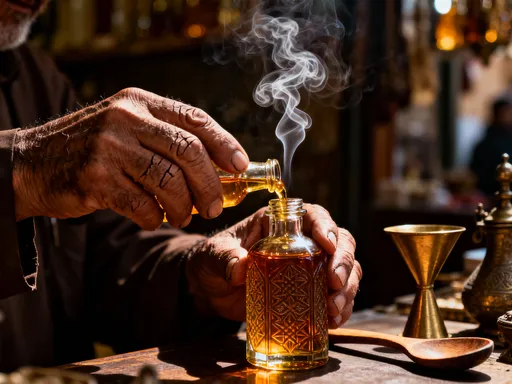
No sensory journey through Kuwait City is complete without experiencing its revered perfume culture. Fragrance is deeply woven into daily life and social customs. In homes, offices, and gatherings, the air often carries the warm, woody notes of oud or the golden sweetness of amber. These scents are more than luxury—they are expressions of hospitality, identity, and heritage. The tradition of perfumery in Kuwait dates back centuries, with families developing signature blends that are handed down like heirlooms.
Local bakkals—traditional perfume shops—and family-run ateliers are where this artistry comes alive. Inside these intimate spaces, wooden shelves hold rows of ornate bottles, each containing a unique composition. The process begins with raw materials: resin from agarwood trees for oud, fossilized tree sap for amber, and essential oils extracted from flowers and herbs. Skilled perfumers, often called “attar makers,” blend these elements by hand, adjusting ratios with precision and intuition. The result is a scent that evolves over hours on the skin, unfolding in layers like a story.
Visitors are often invited to experience this process firsthand. Many shops offer personalized scent creation, where a perfumer listens to your preferences and crafts a blend tailored to your personality. This is not a commercial transaction but a collaborative ritual. You might start with a base of sandalwood, add a heart of rose or jasmine, and finish with a trail of musk or saffron. The experience is immersive, engaging not just the nose but the imagination.
Equally important is the ethical sourcing behind these fragrances. Reputable perfumers emphasize sustainability, using agarwood from responsibly managed forests and avoiding endangered plant species. Some shops partner with conservation initiatives or support reforestation projects in Southeast Asia, where agarwood is traditionally harvested. By choosing to buy from such sources, travelers contribute to preserving both the craft and the environment. In this way, a bottle of perfume becomes more than a souvenir—it becomes a symbol of conscious cultural exchange.
Spice Souks: A Feast for the Senses
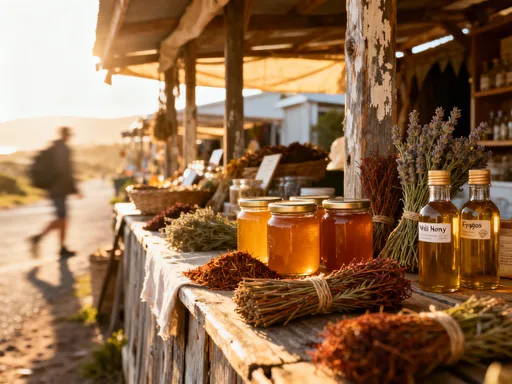
One of the most vibrant expressions of Kuwait’s cultural richness is found in its spice souks. Stepping into one of these markets is like entering a living mosaic of color, scent, and sound. Piles of ground turmeric glow like sunsets, mounds of saffron shimmer like threads of gold, and baskets of cardamom pods release their citrusy warmth with every breeze. The air hums with the mingled aromas of cumin, cinnamon, sumac, and dried limes—each spice carrying its own history and purpose.
These markets are more than places to buy ingredients; they are centers of knowledge. Many vendors come from families that have traded spices for generations. Their stalls are not just displays but archives of regional wisdom. A shopkeeper might explain how za’atar—a blend of thyme, sesame seeds, and sumac—is traditionally eaten with fresh bread for breakfast, or how black lime adds depth to stews and rice dishes. Others share medicinal uses: turmeric for digestion, cinnamon for circulation, or fenugreek for lactation. This intergenerational transfer of knowledge makes the souk a living classroom.
For travelers, navigating the spice market can be both exciting and overwhelming. To ensure quality, look for vendors who keep their spices in sealed containers away from direct sunlight, which can degrade potency. Whole spices, such as cloves or cinnamon sticks, often offer better freshness than pre-ground versions. Don’t hesitate to ask questions—most sellers welcome curiosity and may even offer small samples. When purchasing saffron, for example, a trustworthy vendor will let you smell and touch the threads, explaining how real saffron releases a floral aroma and turns water yellow, not red.
Bringing spices home requires attention to import regulations. While most dried spices are allowed for personal use, some countries restrict certain items like nutmeg or black seed in large quantities. Packing spices in airtight containers prevents spills and preserves aroma. Consider labeling each bag with the name and purchase date. For a thoughtful gift, assemble a curated set of Kuwaiti spices in small decorative tins, accompanied by recipe cards featuring traditional dishes like machboos or lentil soup. This transforms a simple purchase into a meaningful cultural offering.
Handcrafted Textiles and Sadu Weaving
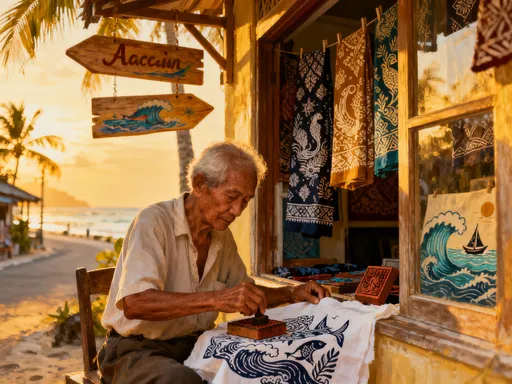
Among Kuwait’s most distinctive cultural treasures is Sadu weaving, a traditional textile art recognized by UNESCO as an Intangible Cultural Heritage of Humanity. Originating with the Bedouin communities of the Arabian Peninsula, Sadu is characterized by bold geometric patterns and natural colors derived from plants and minerals. These textiles were historically used for tents, cushions, and camel trappings, serving both functional and symbolic purposes. Today, they are preserved and revitalized by cooperatives and women’s collectives dedicated to keeping the craft alive.
Visiting a Sadu cooperative offers a rare glimpse into this intricate process. Weavers sit at upright looms, their hands moving with practiced rhythm as they interlace wool or goat hair into precise designs. Each pattern carries meaning: zigzags represent desert dunes, diamonds symbolize water sources, and chevrons reflect tribal identity. The dyes are made from natural sources—pomegranate rinds for yellow, indigo for blue, and henna for red—creating hues that are soft yet enduring. The entire process, from cleaning the fibers to completing a finished piece, can take weeks or even months.
Travelers have the opportunity to observe demonstrations, participate in short workshops, and purchase authentic Sadu items directly from the artisans. This direct engagement ensures that income supports the weavers and their communities, rather than being absorbed by middlemen or mass-market retailers. When buying, look for pieces that bear the official Sadu Cooperative mark, which guarantees authenticity and fair compensation. Avoid imitations sold in tourist shops, which often use synthetic dyes and machine-made patterns lacking cultural significance.
Supporting Sadu weaving is more than a shopping choice—it is an act of cultural preservation. As modern lifestyles shift away from traditional crafts, these cooperatives play a vital role in education and continuity. Some offer apprenticeships for young women, ensuring the next generation learns the techniques and meanings behind the patterns. By choosing to buy and appreciate Sadu textiles, visitors become allies in this mission, helping to sustain a legacy that defines Kuwaiti identity.
Date Culture and Gourmet Specialties
In Kuwait, the date is more than a fruit—it is a symbol of generosity, nourishment, and national pride. Known locally as the “golden fruit,” dates have been cultivated in the region for thousands of years and remain a staple in homes and hospitality. During Ramadan, it is customary to break the fast with a few dates and a glass of milk. At weddings, business meetings, and family gatherings, trays of dates are offered as a gesture of welcome. Their cultural importance is matched by their agricultural significance, with Kuwaiti farmers cultivating prized varieties such as Khudri, Sukkari, and Khalas.
A visit to a local date farm or packaging facility reveals the care behind this beloved crop. Harvesting takes place in late summer and early autumn, when skilled workers climb palm trees or use specialized tools to collect the ripe clusters. After harvesting, the dates are sorted, cleaned, and sometimes sun-dried to enhance flavor and texture. Some are left whole, while others are pitted and stuffed with almonds, tahini, or cream. Modern facilities maintain strict hygiene standards, ensuring that dates are safe for both domestic consumption and export.
Beyond their natural sweetness, dates are transformed into a range of gourmet products available in specialty boutiques across Kuwait City. You can find date molasses used in sauces and desserts, date-filled chocolates wrapped in gold foil, and even date-based energy bars marketed for health-conscious consumers. Some high-end patisseries incorporate dates into macarons, cakes, and ice creams, blending tradition with innovation. For a unique experience, try a date tasting menu at a local café, where different varieties are served with complementary cheeses, nuts, or cardamom tea.
Purchasing dates as gifts is both practical and meaningful. They travel well, have a long shelf life, and are appreciated by people of all ages. Look for packaging that indicates the variety and origin, and choose brands that support local farmers. Some shops offer gift boxes with curated selections, making them ideal for sharing Kuwaiti culture with friends and family back home. By choosing locally sourced dates, travelers contribute to sustainable agriculture and honor a tradition that has nourished generations.
Where to Buy: Trusted Local Markets and Boutiques
For travelers eager to explore Kuwait City’s specialty products, several accessible and reputable destinations offer authentic experiences. Al-Mubarakiya Market stands out as one of the oldest and most vibrant traditional markets in the city. Here, you’ll find sections dedicated to spices, perfumes, textiles, and dates, all within a maze of covered walkways and open-air stalls. The atmosphere is lively but not overwhelming, and vendors are accustomed to interacting with visitors. This market is ideal for first-time explorers seeking a comprehensive introduction to Kuwaiti crafts.
In addition to traditional souks, a growing number of local design shops and cultural boutiques offer curated selections of handmade goods. These stores often collaborate with artisans to present traditional items in modern formats—such as Sadu-patterned laptop sleeves, oud-infused room sprays, or spice blends packaged for gifting. Shopping in these spaces supports innovation while respecting heritage. Many are located in neighborhoods like Salmiya and Fahaheel, which combine residential charm with cultural offerings.
When shopping in Kuwait City, a few practical tips can enhance the experience. Bargaining is common in traditional markets but should be done respectfully. Begin by asking the price, then offer slightly less—typically 10 to 20 percent—while maintaining a friendly tone. If the seller declines, be prepared to accept the original price; haggling should never become confrontational. Payment methods are generally flexible, with most vendors accepting cash in Kuwaiti dinars and many now offering card or mobile payment options.
To avoid counterfeit goods, rely on your senses and judgment. Authentic oud has a deep, complex aroma that lingers; synthetic versions often smell sharp or artificial. Real saffron threads are brittle and release color slowly in water; fake saffron may be dyed corn silk. When in doubt, ask for certifications or buy from official cooperatives and recognized brands. Most importantly, trust the connection you build with the seller—genuine artisans are proud of their work and happy to share its story.
Bringing It Home: Customs, Packaging, and Cultural Respect
Returning home with specialty items from Kuwait City is a joyful part of the travel experience, but it requires thoughtful preparation. Different countries have varying regulations regarding the import of food, liquids, and plant-based materials. While dried spices and packaged dates are generally permitted for personal use, restrictions may apply to perfumes containing alcohol or large quantities of certain ingredients. Before departure, check your home country’s customs guidelines to avoid delays or confiscation at the border.
Packaging plays a crucial role in preserving your purchases. Use padded boxes or carry-on luggage for fragile items like glass perfume bottles. Wrap textiles in acid-free paper to prevent color transfer, and store spices in resealable containers to maintain freshness. Consider eco-friendly options such as reusable fabric wraps or biodegradable boxes, which align with sustainable travel values. Some shops offer gift wrapping with traditional motifs, adding a cultural touch to your presents.
Gifting these items carries deeper meaning when accompanied by context. Share the story behind each product—where it came from, who made it, and what it represents. A bottle of handmade oud becomes more than a fragrance; it becomes a memory of a conversation with a perfumer. A piece of Sadu weaving transforms from a decorative item to a symbol of resilience and identity. These narratives enrich the gift and foster cross-cultural understanding.
In the end, the true value of what you bring home lies not in its price or rarity, but in the connection it represents. The hidden markets of Kuwait City offer more than souvenirs—they offer stories, traditions, and human encounters that linger long after the journey ends. By exploring with curiosity, respect, and intention, travelers do more than collect objects. They participate in a quiet act of cultural preservation, one thoughtful purchase at a time. So the next time you visit Kuwait City, step beyond the skyscrapers. Let your senses guide you. You might just find something you never expected—not just in the markets, but within yourself.