You Won’t Believe What I Found in Interlaken’s Hidden Shopping Spots
Nestled between two crystal-clear lakes and surrounded by towering Alps, Interlaken is more than just a postcard-perfect Swiss town—it’s a shopper’s surprise waiting to be discovered. Most travelers come for the views or adventure sports, but I stumbled upon something unexpected: charming boutiques, local craft stores, and quiet streets filled with authentic Swiss goods. From handmade chocolates to timeless timepieces, the shopping experience here goes far beyond souvenirs. Let me take you where the tour groups don’t go.
First Impressions: When Nature Meets Hidden Retail Charm
Arriving in Interlaken feels like stepping into a dream where nature and civilization exist in perfect harmony. The crisp mountain air greets you at the train station, and within minutes, you’re surrounded by views of Lake Thun and Lake Brienz, their waters shimmering under the alpine sun. The town pulses with quiet energy—tourists with hiking boots and camera bags, locals on bicycles, and the occasional cowbell echoing from nearby pastures. My initial plan was simple: soak in the scenery, take a cable car up to Harder Kulm, and maybe enjoy a fondue lunch. Shopping was not on the itinerary—until I decided to wander a little further down the main street, just past the souvenir kiosks and tourist cafes.
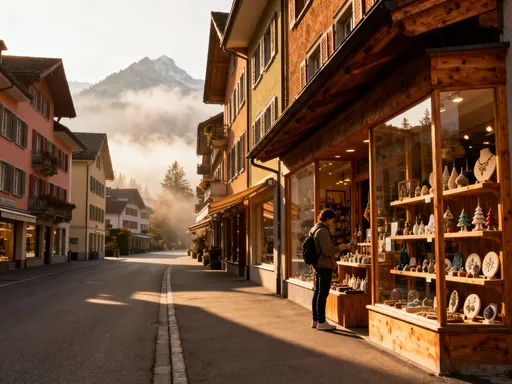
It began with a glance through a small shop window. Inside, a woman was carefully arranging hand-knit wool scarves in earthy tones—deep forest green, warm rust, and soft cream. There was no flashy sign, no English branding, just a simple wooden plaque with the name “Trachtenhaus” carved into it. Curiosity pulled me in. The moment I stepped inside, I was greeted not with a sales pitch, but with a warm smile and a simple “Grüezi.” The store smelled faintly of lanolin and cedar, and every item on display had been made locally—woolen jackets, traditional Swiss dirndls, and hand-stitched leather gloves. This wasn’t a tourist trap. This was real craftsmanship, passed down through generations.
What struck me most was how seamlessly these authentic retail experiences coexisted with the more commercial areas. Just a block away, international brands like Swarovski and Adidas had storefronts, yet tucked into the side streets and behind unassuming doors were dozens of family-run shops offering something far more meaningful. It became clear that Interlaken’s charm wasn’t just in its geography—it was in the way it balanced accessibility with authenticity, allowing travelers who took the time to explore to uncover treasures that felt personal, intimate, and deeply rooted in Swiss culture.
Höheweg: More Than Just a Main Street
Höheweg, the broad, tree-lined boulevard that runs through the heart of Interlaken, is often the first place visitors land when exploring the town. Lined with benches, flower beds, and views of the Jungfrau mountain range, it’s as much a promenade as it is a shopping destination. At first glance, it appears dominated by familiar names—Manor Department Store, a large multi-floor retail hub offering everything from Swiss chocolates to outdoor gear; Swarovski, with its glittering displays of crystal figurines; and several well-known chocolate boutiques like Läderach and Teuscher, where the scent of melting cocoa lingers in the air. These establishments cater to the influx of international tourists, and for good reason—they offer convenience, consistency, and recognizable quality.
Yet Höheweg’s true strength lies in its diversity. Amid the global brands are smaller Swiss retailers that reflect the country’s reputation for precision and elegance. Stores like Victorinox, the official home of the Swiss Army knife, offer not just the classic red pocket tools but limited-edition models engraved with alpine motifs. Nearby, watch boutiques showcase timepieces from renowned Swiss manufacturers—brands like Tissot and Longines that embody decades of horological excellence. These aren’t mere souvenir shops; they are curated spaces where design, heritage, and functionality converge.
What makes Höheweg work so well is its dual role. For the casual visitor, it’s a one-stop destination for last-minute gifts, travel essentials, and indulgent treats. For the more discerning traveler, it’s a starting point—a gateway that, when explored with intention, leads to quieter streets and lesser-known corners where the real shopping magic happens. The street’s wide sidewalks and gentle slope make it accessible for all, and its central location means you’re never far from a café, a restroom, or a scenic viewpoint. It’s a rare example of a tourist thoroughfare that manages to feel both lively and relaxed, commercial and authentic.
Off the Beaten Path: Boutiques That Feel Like Discoveries
If Höheweg is the heartbeat of Interlaken’s shopping scene, then the side streets branching off from it are its quiet pulse—steady, understated, and full of life for those who know where to look. Just a five-minute walk from the main drag, down a narrow lane called Dorfstrasse, I found a cluster of boutiques that felt less like stores and more like personal invitations into Swiss domestic life. One, a tiny woodcraft shop with a hand-painted sign, displayed intricately carved walking sticks, cuckoo clocks made from locally sourced pine, and delicate wooden toys shaped like edelweiss flowers. The owner, an elderly man with kind eyes and weathered hands, spoke little English but gestured proudly to a shelf labeled “Made in Berner Oberland,” pointing out which pieces his grandfather had carved.
These off-the-beaten-path shops share a common thread: they prioritize craftsmanship over convenience. Many are run by families who have operated in the same location for decades, if not generations. In one woolen goods store near the eastern edge of town, I met a woman named Elke who explained that her family had been knitting alpaca and sheep’s wool garments since the 1950s. “We don’t use machines for the patterns,” she said in careful English. “Each design is hand-linked, just like my mother taught me.” The sweaters, thick and warm with traditional geometric patterns, were priced higher than mass-produced alternatives, but the quality was undeniable. When I ran my fingers over the fabric, I could feel the density, the care, the intention behind every stitch.
Another favorite was a small jewelry studio tucked above a bakery on Hauptgasse. The artist, a quiet woman named Claudia, worked with recycled silver and semi-precious stones sourced from the Swiss Alps. Her pieces—earrings shaped like snowflakes, pendants with tiny embedded crystals—were inspired by the landscape around her. “I walk in the mountains every morning,” she told me. “Nature gives me the designs.” Buying a pair of her earrings felt less like a transaction and more like taking home a piece of her daily life, her reverence for the environment, and her quiet dedication to her craft. These are the kinds of experiences that transform shopping from a chore into a meaningful act of connection.
Local Markets: Where Culture and Commerce Connect
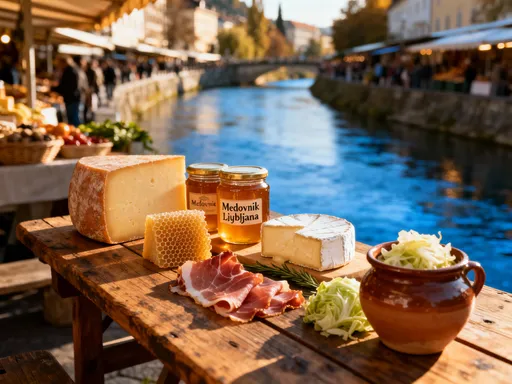
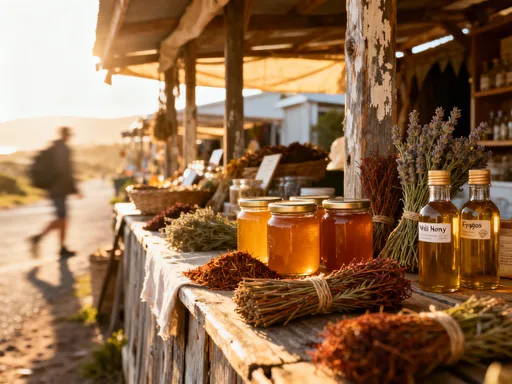
Beyond the permanent shops, Interlaken’s seasonal markets offer another layer of retail authenticity. Held primarily in the warmer months, these open-air gatherings take place in town squares, along the lakeside promenades, and near the train station. They are not large-scale affairs like those in Zurich or Geneva, but intimate, community-driven events where local artisans, farmers, and food producers come together to share their work. The Interlaken Wochenmarkt, held every Wednesday and Saturday morning in the central square, is a particularly vibrant example. Rows of white tents stretch across the cobblestones, each one revealing a new treasure: jars of wildflower honey harvested from alpine meadows, bundles of dried herbs like yarrow and mountain thyme, and hand-rolled soaps infused with lavender and pine.
What makes these markets special is the human interaction they foster. Unlike in supermarkets or chain stores, here you can speak directly with the person who grew the vegetables, who stirred the honey, or who carved the wooden spoon you’re holding. At one stall, a woman in a floral apron offered samples of homemade quark cheese spread with chives. “Try,” she said with a smile, handing me a small wooden spoon. “This is how we eat in the mountains.” I did, and the tangy richness instantly reminded me of breakfasts on alpine farms I’d visited years ago. Another vendor, a young man with paint-stained fingers, sold watercolor prints of the Jungfrau region—each one painted on location during early morning hikes. “I wake up at 4 a.m. to catch the light,” he said. “The mountains look different at dawn.”
Shopping at these markets also offers a gentle introduction to Swiss German, the predominant dialect in this region. While many vendors speak English, making an effort to use simple phrases like “Grüezi” (hello), “Wie viel?” (how much?), or “Merci vilmal” (thank you very much) is often met with delight. Bargaining is not expected—prices are fair and fixed—but polite conversation is part of the experience. These exchanges, brief as they may be, create a sense of belonging, of being welcomed not just as a customer, but as a guest in their community. The market isn’t just a place to buy things; it’s a living expression of local culture, where commerce and tradition walk hand in hand.
What to Buy (And What to Skip)
With so many options, it’s easy to get overwhelmed. To help make the most of your shopping experience in Interlaken, it helps to know what’s worth investing in—and what’s best left on the shelf. Among the must-buy items are authentic Swiss Army knives, particularly those sold directly by Victorinox. These are not just tools but symbols of Swiss ingenuity, built to last and often passed down through generations. Look for models with the official red shield logo and a “Swiss Made” stamp—avoid any that feel lightweight or have plastic handles, as these are often lower-quality imitations.
Another worthwhile purchase is local honey. Produced by bees that forage in high-altitude meadows, alpine honey has a distinctive floral flavor and is often sold in small batches by beekeepers at markets or specialty shops. Similarly, dried alpine herbs—such as edelweiss, arnica, and sweet cicely—are not only fragrant but have been used in traditional Swiss wellness practices for centuries. Packaged in cloth bags or wooden boxes, they make thoughtful, lightweight gifts.
On the other hand, there are items that, while tempting, rarely offer good value. Generic cowbells with no maker’s mark, for example, are often mass-produced in Asia and sold at inflated prices. The same goes for cuckoo clocks—while beautiful, the ones displayed in tourist-heavy shops are frequently imported and lack the mechanical precision of genuine Black Forest or Swiss-made timepieces. To spot authentic goods, look for labels indicating “Swiss Made,” “Handgefertigt” (handmade), or specific regional origins like “Berner Oberland” or “Innerschweiz.” When in doubt, ask the seller about the item’s origin. True artisans are proud of their work and happy to share its story.
Practical Shopping Tips for Interlaken Visitors
To make the most of your shopping experience in Interlaken, timing and preparation matter. Weekday mornings, particularly between 9:00 and 11:30 a.m., are ideal for visiting both shops and markets. The streets are quieter, the air is fresh, and store owners have more time to engage in conversation. By contrast, weekend afternoons can be crowded, especially during peak tourist season, when tour groups descend on Höheweg in waves. If you’re looking for a more relaxed pace, plan your shopping for early in the week.
Understanding Swiss pricing norms can also enhance your experience. Switzerland is not part of the EU, but many stores offer VAT refunds for non-resident travelers who spend over 300 CHF in a single day at the same store. To claim this, simply ask for a tax-free form at checkout and have it stamped at customs before you leave the country. Most shops accept major credit cards, though smaller boutiques and market vendors may prefer cash—especially in smaller denominations. It’s wise to carry some Swiss francs for these occasions.
Packing delicate purchases requires some forethought, especially if you’re planning to hike or take mountain transport afterward. For items like glassware, chocolates, or wooden carvings, consider using the packing services offered by larger stores like Manor or Läderach. They provide sturdy boxes, bubble wrap, and even shipping options if you’d prefer to have your purchases sent home. For smaller items, a padded compartment in your daypack can prevent damage. And if you’re buying cheese or other perishables, request special wrapping to keep them fresh during your travels.
Why Shopping Here Feels Different—And Worth It
Shopping in Interlaken is not about accumulating things. It’s about connection. Each purchase, whether it’s a bar of alpine herb soap or a hand-knit hat, carries with it a story—a maker, a place, a tradition. In an age of mass production and globalized retail, these moments of authenticity are rare and precious. They remind us that travel is not just about seeing new places, but about engaging with them in meaningful ways. When you buy from a local artisan, you’re not just acquiring an object; you’re supporting a livelihood, preserving a craft, and becoming part of a cultural exchange that transcends language and borders.
Mindful shopping also enriches the travel experience by slowing it down. Instead of rushing from landmark to landmark, you pause. You listen. You learn. You might not speak fluent German, but a shared smile over a piece of handmade chocolate can say more than words. These small interactions accumulate into a deeper understanding of the place you’re visiting—one that stays with you long after the souvenirs are unpacked.
Interlaken invites curiosity. It rewards those who step off the main path, who look beyond the obvious, who are willing to explore with an open mind and an open heart. The best finds aren’t always the most expensive or the most advertised. Sometimes, they’re hidden in plain sight—in a quiet alley, behind a wooden door, or at a small table at the weekly market. And when you discover them, you don’t just take something home. You bring back a memory, a connection, a piece of Switzerland that is as real as the mountains that cradle it.
Interlaken’s shopping scene isn’t about luxury malls or brand hunts—it’s about moments of connection, unexpected finds, and carrying home a piece of Swiss authenticity. When you let curiosity lead, even a simple stroll can turn into a treasure hunt. So next time you're in the Alps, give yourself permission to look closer. You might just find that the best souvenirs aren’t bought—they’re discovered.