You Won’t Believe What I Found Floating in the Dead Sea
Have you ever imagined a place where you can’t sink, the air feels like a spa, and the landscape looks alien? The Dead Sea in Jordan is exactly that—a natural wonder beyond belief. I went expecting relaxation, but left in awe of its unique science, healing reputation, and surreal beauty. This isn’t just a swim; it’s a full-body experience unlike any other on Earth. Floating effortlessly on mineral-rich waters, surrounded by desert cliffs and an atmosphere thick with therapeutic salts, I felt as though I had stepped into another dimension. The journey to this extraordinary destination is as transformative as the destination itself.
First Encounter: Arriving at the Lowest Point on Earth
As the car descended from Amman toward the Dead Sea, the landscape began to shift in ways that felt almost imperceptible at first. The air grew drier, the vegetation sparser, and the scent of earth and salt faintly rose through the open windows. With every kilometer, the elevation dropped sharply—a descent of nearly 430 meters below sea level, making this the lowest point on dry land anywhere on Earth. This dramatic drop is not just a geographical curiosity; it signals entry into one of the most geologically unique regions in the world.
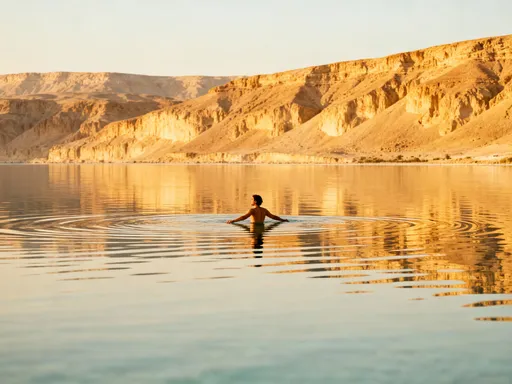
Then, suddenly, the Dead Sea appeared: a vast, glassy expanse shimmering under the Jordanian sun, bordered by rugged desert cliffs and pale mineral-streaked hills. The water didn’t ripple like a typical lake. Instead, it lay still, almost unnaturally calm, reflecting the sky like polished obsidian. The silence was profound. No waves crashed, no gulls cried overhead—just the occasional whisper of wind skimming the surface. The air carried a clean, sharp tang of salt and minerals, invigorating the lungs with each breath.
Stepping onto the shore was an experience in contrasts. The ground crunched underfoot, a crust of salt crystals forming along the water’s edge. The mud beneath was cool and soft, oozing between the toes in a way that felt both strange and grounding. Visitors often gasp the first time they touch the water—it’s warmer than expected, almost body temperature, and slick with minerals. There’s a sense of reverence here, a quiet understanding that you are standing in a place shaped by millennia of natural forces, where the laws of ordinary lakes no longer apply.
The journey to the Dead Sea is more than a physical descent. It’s a transition into a realm where nature defies expectation. The changing terrain, the silence, the air itself—all signal that you are entering a zone of rare equilibrium, where water, earth, and atmosphere converge in a way found nowhere else. This is not a destination for the casual traveler. It is one for those seeking to witness something elemental, ancient, and profoundly still.
Why It’s Impossible to Sink: The Science Behind the Float
The most astonishing feature of the Dead Sea is its ability to keep every person afloat, regardless of swimming ability. No paddling, no kicking—just lie back, and the water holds you up like a buoyant cradle. This phenomenon is not magic, but science rooted in one extraordinary fact: the Dead Sea is nearly ten times saltier than the ocean, with a salinity level of around 34%. For comparison, the average ocean salinity is about 3.5%. This extreme concentration of dissolved salts and minerals creates a density so high that the human body cannot sink.
When you enter the water, the sensation is immediately unfamiliar. Your legs rise involuntarily, your torso lifts, and your head tilts slightly back. It feels unnatural at first, as if your body is being gently repositioned by an invisible hand. Most people instinctively try to swim, only to realize that traditional strokes are unnecessary—and even counterproductive. The water supports you completely. You can close your eyes, spread your arms, and float in perfect stillness, as though suspended between earth and sky.
The physics behind this is straightforward yet remarkable. According to Archimedes’ principle, an object will float when the weight of the fluid it displaces is equal to its own weight. Because the Dead Sea’s water is so dense, even a small volume of displaced water provides enough upward force to keep a person afloat. The high concentration of magnesium, calcium, and potassium chlorides further increases the water’s buoyancy. This means that even those who struggle to float in regular water can relax effortlessly here.
Yet, for all its scientific explanation, the experience remains deeply emotional. There’s a moment of disbelief when you first surrender to the water and feel yourself lifted without effort. It’s a rare opportunity to experience weightlessness on land, a sensation usually reserved for astronauts or deep-sea divers. Parents watch in wonder as their children float safely, arms outstretched like tiny stars. Couples share quiet laughter as they bob side by side, unable to sink no matter how hard they try. In this strange, silent sea, the ordinary rules of gravity are suspended, offering a brief but powerful reminder of nature’s capacity to surprise and delight.
Skin and Health: The Real Benefits of Mineral-Rich Mud
Beyond the novelty of floating, the Dead Sea is renowned for its therapeutic properties, particularly for skin and respiratory health. The water and black mud that line its shores are packed with minerals in concentrations rarely found elsewhere. Magnesium, calcium, potassium, and bromides are present in abundance, each playing a role in supporting skin integrity, reducing inflammation, and promoting relaxation. While these benefits are widely recognized, it’s important to emphasize that they are complementary to medical care, not replacements for professional treatment.
Magnesium, one of the most prevalent minerals, is known to improve skin hydration and barrier function. It helps reduce redness and supports the regeneration of skin cells, making it especially beneficial for those with dry or sensitive skin. Calcium strengthens the skin’s outer layer, enhancing its ability to retain moisture and resist environmental damage. Potassium helps maintain electrolyte balance within skin cells, contributing to a more even tone and texture. Bromides, absorbed through the skin and inhaled in the air, have a calming effect on the nervous system, which may explain why many visitors report feeling unusually relaxed during and after their visit.
The black mud found along the shoreline is a treasure trove of these minerals. When applied to the skin, it forms a thick, cooling mask that draws out impurities and leaves the skin feeling deeply cleansed. Many visitors slather the mud over their arms, legs, and face, laughing as they transform into mineral-coated figures under the sun. After 10 to 15 minutes, rinsing off in the salty water is an experience in itself—the mud dissolves slowly, leaving the skin smooth, soft, and slightly tingling from mineral absorption.
Clinical studies have observed improvements in conditions such as psoriasis, eczema, and acne among individuals who undergo controlled Dead Sea therapy. The combination of high mineral content, low allergen environment, and intense sunlight (filtered by the region’s unique atmospheric conditions) creates an ideal setting for dermatological relief. However, these treatments are most effective when supervised by healthcare professionals and integrated into a broader care plan. For the average visitor, a mud application followed by a float offers a natural, rejuvenating spa experience that feels both indulgent and restorative.
It’s also worth noting that the air at the Dead Sea has therapeutic qualities. The atmospheric pressure is higher due to the low elevation, and the air is rich in oxygen and negative ions. Many visitors with respiratory conditions such as asthma or bronchitis report easier breathing and reduced symptoms during their stay. While not a cure, the environment provides a supportive setting for respiratory wellness, further enhancing the region’s reputation as a sanctuary for healing.
Choosing the Right Spot: Public Shores vs. Resort Access
One of the most practical decisions for any visitor is where to access the Dead Sea. The experience can vary significantly depending on whether you choose a public beach or a resort with private access. Each option offers distinct advantages in terms of cost, comfort, facilities, and privacy, making it essential to consider your priorities before arrival.
Public beaches such as Al-Hisa Beach and Amman Beach provide affordable access to the Dead Sea and are popular among local families and budget-conscious travelers. Entry fees are minimal, often under $10, and the atmosphere is lively and communal. These areas typically offer basic amenities such as restrooms, changing cabins, and small kiosks selling water and snacks. The shores are well-maintained, though they can become crowded, especially on weekends and holidays. While the water quality remains excellent, the high volume of visitors means that prime floating spots may require some patience to secure.
In contrast, luxury resorts like the Mövenpick Resort or the Hilton Dead Sea Resort & Spa offer private, well-groomed beaches with dedicated loungers, umbrellas, and attentive service. Guests can enjoy uninterrupted access to the water, along with additional amenities such as full-service spas, fine dining restaurants, and temperature-controlled pools. The cost is significantly higher, with overnight stays ranging from $200 to $500 per night, but the trade-off is comfort, exclusivity, and a more serene experience. These resorts often provide complimentary mud application stations, refreshment service, and shaded relaxation areas, making them ideal for those seeking a pampered getaway.
For families with young children, resorts may offer greater peace of mind with lifeguards on duty and designated shallow areas. However, public beaches can be more adventurous and authentic, allowing visitors to engage directly with the natural environment without the buffer of luxury infrastructure. Some travelers appreciate the opportunity to bring their own towels, snacks, and music, creating a personal picnic by the shore.
Ultimately, the choice depends on your travel style and budget. Those seeking a quick, economical dip may find public beaches perfectly sufficient. Travelers looking for relaxation, privacy, and added comforts will likely prefer the resort experience. Regardless of the choice, both options provide access to the same miraculous water and breathtaking scenery, ensuring that the core wonder of the Dead Sea remains within reach for all.
When to Go: Weather, Crowds, and Ideal Conditions
Timing your visit to the Dead Sea can make a significant difference in your overall experience. While the destination is accessible year-round, certain seasons offer more favorable conditions for comfort, enjoyment, and photography. Understanding the regional climate and tourist patterns will help you plan a trip that maximizes pleasure and minimizes discomfort.
The best times to visit are during the spring (March to May) and autumn (September to November). During these months, daytime temperatures range from 25°C to 30°C (77°F to 86°F), creating a pleasant balance between warmth and mildness. The sun is strong but not oppressive, and the air retains a comfortable dryness that enhances the floating experience. These seasons also coincide with fewer tourists, allowing for more peaceful access to the water and shorter wait times at facilities. Spring brings the added beauty of blooming desert flora, while autumn offers clear skies and golden light ideal for photography.
Summer, from June to August, is the most challenging time to visit. Temperatures frequently exceed 40°C (104°F), making outdoor activities uncomfortable, especially during midday. The intense heat can lead to dehydration and fatigue, even for those acclimated to warm climates. While the water remains inviting, prolonged sun exposure increases the risk of sunburn, particularly given the region’s high UV index. Visitors who choose to come in summer should plan activities for early morning or late afternoon and stay well-hydrated.
Winter, from December to February, brings cooler temperatures, with averages between 15°C and 20°C (59°F to 68°F). While this may sound mild, the water temperature can drop, making floating less comfortable for some. Additionally, occasional rain can make the salty shores slippery and muddy. However, winter travel has its advantages: minimal crowds, lower accommodation rates, and a quiet, reflective atmosphere. For those who don’t mind cooler conditions, a winter visit can be a deeply peaceful experience.
Within the day, timing also matters. Early morning is widely considered the optimal time to enter the water. The surface is calm, the light is soft and golden, and the air carries a refreshing coolness. Floating at sunrise offers a meditative quality, with few distractions and a sense of solitude. Late afternoon provides warm water and beautiful evening light, though beaches may be busier. Avoiding midday sun not only enhances comfort but also protects the skin from intense UV exposure, which is stronger at the Dead Sea’s low elevation due to thinner atmospheric filtration.
What to Bring (and What to Skip): Smart Packing Tips
Packing wisely can greatly enhance your comfort and safety at the Dead Sea. The unique environment demands specific preparations, as everyday items may not perform as expected in such extreme conditions. A well-prepared bag ensures that your focus remains on enjoyment rather than inconvenience.
Water shoes are essential. The shoreline is covered with sharp salt crystals that can cut bare feet, especially near the water’s edge. Sturdy, closed-toe sandals or neoprene booties provide protection and grip on slippery surfaces. A large, absorbent towel is another must-have. The salt residue left on the skin after floating is difficult to remove with regular wiping, so thorough drying is necessary. Some visitors bring two towels—one for the body and one for the hair—to manage the sticky mineral film effectively.
A waterproof phone case is highly recommended for capturing photos without risking damage. The salty mist can corrode electronics quickly, and accidental drops into the water are common due to the buoyancy effect. Keeping your phone sealed and dry allows you to document the experience safely. Similarly, a reusable water bottle is crucial for staying hydrated. The dry, hot climate accelerates fluid loss, and drinking plenty of water supports both physical comfort and skin health.
After your float, a post-swim shower is essential. While some resorts provide outdoor rinsing stations, bringing a small bottle of moisturizing body wash and a leave-in conditioner can help restore skin and hair balance. The salt strips natural oils, so rehydration is key. Avoid using heavy lotions immediately after swimming, as they may trap residue; instead, opt for light, non-greasy formulas.
There are also items best left behind. Expensive swimwear should be avoided, as the high salt content can degrade fabric over time, causing discoloration and weakening fibers. Dark colors may fade, and delicate materials like silk or lace are particularly vulnerable. Instead, bring older or dedicated swimwear that you don’t mind exposing to the elements. Jewelry should also be removed before entering the water, as salt can tarnish metals and damage gem settings.
Sunscreen is non-negotiable. Despite the therapeutic air, UV radiation is stronger at the Dead Sea due to its below-sea-level elevation. The atmosphere filters less sunlight, increasing the risk of sunburn. Use a broad-spectrum SPF 50+ sunscreen and reapply regularly, especially after rinsing off. A wide-brimmed hat and UV-protective sunglasses offer additional defense against prolonged exposure.
Beyond Floating: Hidden Natural Wonders Nearby
While the Dead Sea itself is the main attraction, the surrounding region offers a wealth of natural and historical sites that enrich the travel experience. Exploring these nearby destinations provides a fuller understanding of Jordan’s ecological diversity and cultural heritage, transforming a single-day visit into a multidimensional journey.
One of the most breathtaking excursions is Wadi Mujib Gorge, a dramatic canyon carved by water through red sandstone. Managed as a nature reserve, it offers guided hikes through narrow riverbeds, where travelers wade through ankle- to waist-deep water, surrounded by towering cliffs. The Siq Trail is particularly popular, combining adventure with stunning visuals. The contrast between the cool, flowing water of the wadi and the arid stillness of the Dead Sea highlights Jordan’s remarkable geographical range.
Another significant site is Al-Maghtas, believed to be the location of Jesus’ baptism by John the Baptist. This UNESCO World Heritage Site features ancient churches, baptismal pools, and panoramic views of the Jordan River. The atmosphere is reverent and serene, offering a moment of reflection amidst the natural wonders. Pilgrims and history enthusiasts alike find deep meaning in walking these sacred grounds.
For those interested in biodiversity, the Dana Biosphere Reserve is a must-visit. Stretching from desert lowlands to mountain highlands, it is Jordan’s largest nature reserve and home to over 600 plant species and numerous wildlife, including the endangered Nubian ibex. Hiking trails wind through diverse ecosystems, offering encounters with Bedouin communities and panoramic desert vistas. The reserve exemplifies sustainable tourism, with eco-lodges and conservation programs that protect the land while welcoming visitors.
These sites share a common thread: they are best experienced with respect for the environment. Travelers are encouraged to follow eco-friendly practices such as staying on marked trails, avoiding littering, and supporting local guides and businesses. The fragility of these landscapes demands mindfulness, ensuring that future generations can also witness their beauty.
Conclusion
The Dead Sea isn’t just a stop—it’s a revelation. It challenges what you know about water, health, and nature itself. More than floating, it’s about connecting with a rare, ancient environment that feels almost otherworldly. From the moment you descend into its basin to the quiet awe of lying weightless on its surface, every aspect of the experience reshapes your understanding of the natural world. The science behind its buoyancy, the therapeutic power of its minerals, and the stark beauty of its landscape come together to create something truly singular.
Yet, this wonder is not invincible. The Dead Sea is shrinking at an alarming rate, losing over one meter of water level each year due to climate change and regional water diversion. What remains is a precious, fragile ecosystem that demands protection. Responsible tourism—choosing eco-conscious operators, minimizing waste, and supporting conservation efforts—is not just a recommendation; it’s a responsibility.
For the traveler, the Dead Sea offers more than relaxation. It offers perspective. In a world of constant motion, it is a place of stillness. In a time of environmental uncertainty, it is a reminder of nature’s power and vulnerability. To float in its waters is to participate in an ancient ritual of renewal, one that has drawn people for thousands of years. Protecting it ensures that future travelers, like you and me, can discover its magic too.