You Won’t Age Out: How I Cracked the Code with Everyday Food
Aging isn’t something we can stop, but what if the way we eat could slow it down in a real, noticeable way? I’m not talking about extreme diets or magic pills—just simple, science-backed food choices that add up over time. After years of feeling sluggish and watching my energy fade, I dug into how diet shapes how we age. What I found changed everything. This is a systematic take on eating for longevity, one bite at a time. The truth is, aging begins long before we see it in the mirror. It starts quietly, deep within our cells, shaped by the foods we choose every day. And the most powerful tool we have to influence this process isn’t found in a lab—it’s already in our kitchens.
The Silent Accelerator: What’s Speeding Up Your Aging?
Many people think of aging as simply the passage of time—wrinkles, gray hair, and a little less stamina. But behind the visible signs is a deeper, more complex process known as biological aging. Unlike chronological age, which ticks forward at the same rate for everyone, biological age reflects how well—or poorly—your body is functioning at the cellular level. Think of it like this: two cars may be the same model and year, but one has been driven gently, maintained regularly, and kept in a garage. The other has been exposed to harsh weather, neglected tune-ups, and rough roads. Over time, they’ll look and perform very differently. Your body is no different.
At the heart of accelerated biological aging are three silent forces: oxidative stress, chronic inflammation, and cellular senescence. Oxidative stress occurs when free radicals—unstable molecules produced naturally during metabolism—outnumber the antioxidants that neutralize them. When left unchecked, these free radicals damage DNA, proteins, and cell membranes, much like rust eats away at metal. Chronic inflammation, once a helpful immune response, becomes harmful when it persists over time, silently damaging tissues and contributing to conditions like joint stiffness, brain fog, and slower recovery. Cellular senescence refers to cells that stop dividing but don’t die. These “zombie cells” accumulate and secrete harmful substances that disrupt surrounding tissue function.
Modern diets play a major role in fueling these processes. Highly processed foods, loaded with refined sugars, unhealthy fats, and artificial ingredients, trigger spikes in blood sugar and insulin, promoting glycation—a process where sugar molecules attach to proteins like collagen, making skin less elastic and joints stiffer. Diets low in fiber and high in additives also disrupt the gut microbiome, which scientists now recognize as a key regulator of inflammation and immune function. Over time, these dietary patterns don’t just lead to weight gain—they accelerate the internal wear and tear that shows up as fatigue, dull skin, and a general sense of not feeling like yourself.
The troubling reality is that these changes begin long before they become visible. By the time someone notices their clothes fitting tighter or their energy dropping after lunch, the underlying damage may have been building for years. The good news? These processes are not inevitable. While we can’t stop time, we can influence how our bodies respond to it. And one of the most powerful levers we have is our plate.
Food as Information: How Every Bite Talks to Your Cells
For decades, we’ve thought of food primarily as fuel—calories to power our days. But modern science reveals a far more profound truth: food is also information. Every bite sends signals to your cells, instructing them to either maintain health or slide into decline. This field of study, known as nutrigenomics, explores how nutrients interact with our genes, turning certain biological pathways on or off. Remarkably, the foods we eat can influence whether our bodies prioritize repair, detoxification, and resilience—or inflammation, oxidative damage, and aging.
Take polyphenols, for example. These naturally occurring compounds, found in foods like berries, green tea, and dark chocolate, don’t just act as antioxidants. They communicate with cells to activate longevity pathways such as sirtuins and AMPK—molecular switches associated with cellular repair and energy efficiency. Similarly, omega-3 fatty acids from fatty fish like salmon or sardines don’t just support heart health; they help regulate gene expression related to inflammation, effectively calming the body’s internal fire. Even fiber, often praised for digestion, plays a signaling role by feeding beneficial gut bacteria that produce short-chain fatty acids, which in turn influence immune function and metabolic health.
Contrast this with the message sent by a typical processed meal—say, a frozen dinner high in sodium, trans fats, and refined carbohydrates. This kind of meal spikes blood sugar, triggers insulin surges, and promotes oxidative stress. It lacks the phytonutrients needed to activate protective genes and instead feeds inflammation. Over time, the cumulative effect is clear: a body that ages faster, feels heavier, and recovers more slowly. The difference isn’t just in energy levels or waistlines—it’s written in the way cells behave.
Understanding food as information shifts the conversation from restriction to empowerment. It’s not about counting every calorie or banning entire food groups. It’s about choosing foods that speak a language of health—one that tells your body, “You are supported, protected, and valued.” When you view eating through this lens, every meal becomes an opportunity to invest in your long-term vitality.
The Anti-Aging Plate: Building Your Daily Framework
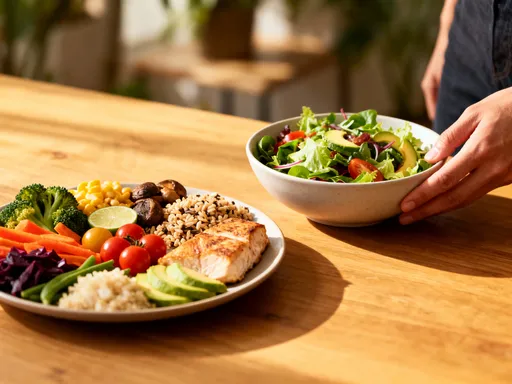
If food is information, then the way we assemble our meals matters just as much as the ingredients themselves. A balanced, anti-aging plate isn’t complicated or exotic—it’s practical, colorful, and rooted in everyday foods. The ideal framework is simple: fill half your plate with a rainbow of vegetables, dedicate a quarter to lean protein, and use the remaining quarter for complex carbohydrates and healthy fats. This ratio isn’t arbitrary; it’s designed to stabilize blood sugar, support cellular repair, and provide sustained energy throughout the day.
Vegetables should dominate the plate, both in volume and variety. Dark leafy greens like spinach, kale, and Swiss chard are rich in vitamins K, C, and folate, as well as antioxidants like lutein, which protect eye health and skin integrity. Cruciferous vegetables such as broccoli, Brussels sprouts, and cauliflower contain sulforaphane, a compound shown to support detoxification pathways in the liver. But don’t stop at greens—include red peppers, purple cabbage, orange carrots, and yellow squash. Each color represents different phytonutrients, and together, they create a broad defense system against cellular damage.
For the protein portion, focus on high-quality, minimally processed sources. Fatty fish like salmon, mackerel, and sardines offer both lean protein and omega-3s, making them a double win for brain and heart health. Poultry, eggs, legumes, and tofu are also excellent options. Protein supports muscle maintenance, which naturally declines with age, and helps keep you full between meals, reducing the urge to snack on less nutritious options. Pairing protein with fiber-rich foods also slows digestion, preventing energy crashes and supporting stable insulin levels.
The final quarter of the plate combines complex carbohydrates and healthy fats. Whole grains like quinoa, brown rice, and oats provide sustained energy and fiber, while starchy vegetables such as sweet potatoes and squash add nutrients and natural sweetness without spiking blood sugar. Healthy fats—avocados, olive oil, nuts, and seeds—help absorb fat-soluble vitamins (A, D, E, and K) and support brain function. A drizzle of olive oil on a salad isn’t just for flavor; it enhances the bioavailability of the nutrients in the vegetables.
Meal timing also plays a role. Eating at consistent times each day helps regulate circadian rhythms, which influence metabolism and repair processes. Starting the day with a balanced breakfast—such as oatmeal topped with berries and walnuts, or scrambled eggs with spinach and avocado—sets a steady metabolic tone. Avoiding large, heavy meals late at night allows the body to shift into repair mode during sleep rather than digestion. A sample day might include: a smoothie with spinach, banana, chia seeds, and Greek yogurt for breakfast; a large salad with grilled chicken, quinoa, and mixed vegetables for lunch; and baked salmon with roasted Brussels sprouts and sweet potato for dinner. Snacks like an apple with almond butter or a handful of mixed nuts keep energy steady without overloading the system.
Power Players: The 5 Food Groups That Fight Time
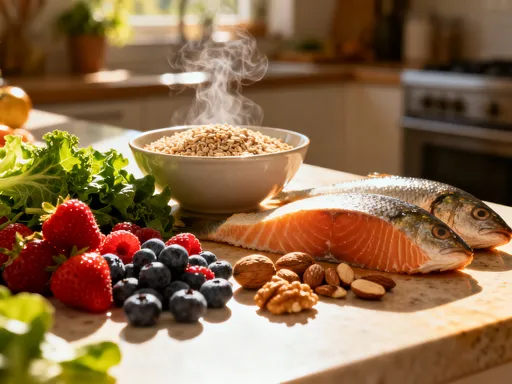
While no single food can reverse aging, certain categories stand out for their consistent, science-backed benefits. These are the nutritional power players—everyday foods that deliver a high return on investment when it comes to longevity. Berries, dark leafy greens, nuts and seeds, fatty fish, and legumes form the core of an anti-aging diet, each contributing unique compounds that protect cells, reduce inflammation, and support overall function.
Berries—blueberries, strawberries, raspberries, and blackberries—are rich in anthocyanins, the pigments that give them their deep colors and potent antioxidant properties. Studies show that regular berry consumption is linked to improved cognitive function, reduced oxidative stress, and even slower declines in motor skills with age. One study published in the Annals of Neurology found that women who ate more berries experienced a slower rate of cognitive decline—by up to 2.5 years—compared to those who ate fewer. These benefits aren’t limited to the brain; anthocyanins also support skin health by protecting collagen from breakdown.
Dark leafy greens are nutritional powerhouses. Kale, spinach, collard greens, and Swiss chard are loaded with vitamin K, which supports bone health and cardiovascular function, and lutein and zeaxanthin, which protect the eyes from age-related macular degeneration. They also contain nitrates that help improve blood flow and lower blood pressure. Regular consumption has been associated with slower biological aging, as measured by telomere length—a marker of cellular aging. The key is consistency: a daily serving, whether in a salad, smoothie, or sautéed side, delivers cumulative benefits over time.
Nuts and seeds, particularly walnuts, almonds, flaxseeds, and chia seeds, offer a blend of healthy fats, fiber, and plant-based protein. Walnuts, for example, are one of the few plant sources of alpha-linolenic acid (ALA), a type of omega-3 fatty acid. Research suggests that people who consume nuts regularly have better skin elasticity, lower inflammation markers, and reduced risk of chronic diseases. A study in the Journal of Nutrition found that women who ate nuts daily showed visible improvements in skin firmness and hydration after just 14 weeks.
Fatty fish like salmon, mackerel, and sardines are unmatched in their omega-3 content. These essential fats are critical for reducing inflammation, supporting brain health, and maintaining heart function. The body cannot produce omega-3s on its own, so dietary intake is essential. The American Heart Association recommends at least two servings per week. For those who don’t eat fish, algae-based supplements offer a plant-derived alternative. The benefits extend beyond organs—omega-3s help maintain the skin’s lipid barrier, reducing dryness and improving resilience against environmental stressors.
Legumes—beans, lentils, chickpeas, and peas—are often overlooked but are among the most longevity-supportive foods. High in fiber, plant protein, and resistant starch, they feed beneficial gut bacteria and help stabilize blood sugar. Populations with the longest lifespans, such as those in the Blue Zones, consume legumes daily. Their slow-digesting carbohydrates prevent energy spikes and support satiety, making them ideal for weight management and metabolic health. Adding a cup of lentils to a soup or tossing chickpeas into a salad is an easy way to harness their power.
The real magic of these foods lies not in occasional superfood binges but in daily, consistent inclusion. It’s not about perfection—it’s about pattern. A handful of berries on your morning oatmeal, a side of steamed broccoli at dinner, a small serving of salmon twice a week—these small choices, repeated over time, create a body that ages more gracefully.
The Hidden Saboteurs: What to Minimize (Not Eliminate)
Just as certain foods support longevity, others quietly accelerate aging. The goal isn’t elimination—deprivation often leads to burnout—but mindful reduction. Refined sugar, trans fats, excess alcohol, and processed meats are the primary culprits, each contributing to inflammation, oxidative stress, and metabolic dysfunction in distinct ways.
Refined sugar, especially in liquid form like soda and sweetened beverages, causes rapid spikes in blood glucose and insulin. Over time, this leads to insulin resistance, a precursor to type 2 diabetes and a driver of accelerated aging. Sugar also fuels glycation, where glucose molecules bind to proteins like collagen and elastin, forming advanced glycation end products (AGEs). These compounds make skin less supple and joints stiffer, contributing to the visible signs of aging. Even moderate daily consumption of sugary drinks has been linked to shorter telomeres, suggesting a direct impact on cellular aging.
Trans fats, found in many processed and fried foods, are particularly damaging. They raise LDL (bad) cholesterol, lower HDL (good) cholesterol, and promote systemic inflammation. While many countries have restricted their use, they can still be found in packaged snacks, margarines, and baked goods. Reading labels and avoiding ingredients like “partially hydrogenated oils” is a simple but effective step.
Excess alcohol, while sometimes framed as heart-healthy in moderation, can disrupt sleep, dehydrate the skin, and impair liver function when consumed regularly in large amounts. The liver is central to detoxification and metabolism, and overburdening it reduces its ability to support cellular repair. For women, the recommended limit is no more than one standard drink per day, and even that should be viewed as an upper limit, not a daily target.
Processed meats like bacon, sausages, and deli meats contain preservatives such as nitrates and nitrites, which can form harmful compounds in the body. They are also high in sodium and saturated fat, contributing to hypertension and inflammation. The World Health Organization has classified processed meats as carcinogenic, underscoring the importance of limiting intake.
Thankfully, practical swaps make this shift manageable. Choose sparkling water with a splash of lemon instead of soda. Use avocado or nut butter instead of processed spreads. Replace deli meat with grilled chicken or hummus in sandwiches. These changes aren’t about perfection—they’re about creating a pattern that supports long-term health. The goal is progress, not purity.
Beyond the Plate: Sleep, Stress, and the Aging Diet Connection
Diet doesn’t operate in isolation. Sleep and stress are deeply intertwined with how we age, and they influence both our food choices and how our bodies respond to them. Poor sleep disrupts hormones that regulate hunger—ghrelin increases appetite, while leptin, which signals fullness, decreases. This imbalance often leads to cravings for sugary, high-fat foods, creating a cycle that accelerates aging. Additionally, sleep is when the body performs critical repair work, including clearing metabolic waste from the brain and repairing muscle tissue. Without enough quality sleep, even the best diet can’t fully deliver its benefits.
Chronic stress is equally impactful. When the body is under constant pressure, it produces elevated levels of cortisol, the primary stress hormone. High cortisol increases fat storage, particularly around the abdomen, and breaks down muscle and collagen, leading to a loss of skin tone and strength. It also impairs nutrient absorption and weakens the immune system. Over time, this creates a body that feels tired, inflamed, and less resilient.
The good news is that diet can help buffer these effects. Magnesium-rich foods like spinach, pumpkin seeds, and black beans support relaxation and nervous system balance, making them ideal for evening meals. Complex carbohydrates help increase the availability of tryptophan, an amino acid that supports serotonin and melatonin production—key players in sleep regulation. Staying well-hydrated throughout the day also supports cognitive function and energy levels, reducing the mental fatigue that often accompanies stress.
Simple habits can amplify these benefits. Eating slowly and mindfully improves digestion and allows satiety signals to register, preventing overeating. Pairing dinner with a calming ritual—such as herbal tea, light stretching, or journaling—signals to the body that it’s time to wind down. Over time, these small practices create a lifestyle ecosystem where food, sleep, and stress management work together to support graceful aging.
Making It Stick: Simple Systems for Long-Term Success
Knowledge is powerful, but consistency is what transforms health. The most effective anti-aging strategies are not extreme or short-lived—they are sustainable, integrated into daily life. The key is to build simple systems that reduce effort and decision fatigue. Habit stacking, a technique where a new behavior is linked to an existing one, is highly effective. For example, after making your morning coffee, take five minutes to wash and chop vegetables for snacks. Or, after unloading the groceries, immediately portion out nuts or cooked grains for the week.
Weekly meal prep doesn’t have to be time-consuming. Start with one or two components—roast a tray of mixed vegetables, cook a pot of quinoa or lentils, or grill a few chicken breasts. These can be mixed and matched throughout the week, reducing the temptation to reach for convenience foods. Having healthy snacks readily available—like pre-cut veggies, hard-boiled eggs, or yogurt cups—makes better choices the easy choices.
Tracking progress doesn’t have to mean weighing yourself daily. Instead, focus on non-scale victories: Do you have more energy in the afternoon? Is your skin clearer? Do you feel more focused during conversations? These subtle shifts are often the first signs that your body is responding. Keeping a simple journal or mental note of these improvements reinforces motivation.
Finally, shift your mindset. This isn’t a diet to follow for a few weeks and then abandon. It’s a lifelong upgrade to how you fuel your body. It’s about choosing foods that make you feel strong, alert, and capable—today and decades from now. Every meal is a chance to invest in a future where aging isn’t something to fear, but a process to navigate with strength and grace.
Aging Gracefully Starts in Your Kitchen
Aging well isn’t about chasing youth or erasing every wrinkle. It’s about preserving vitality, function, and joy as the years go by. And the most powerful tool we have for this isn’t found in a clinic or a bottle—it’s in our daily food choices. What we eat shapes our cells, influences our genes, and determines how we feel from the inside out. By choosing whole, nutrient-dense foods and minimizing processed ones, we send a clear message to our bodies: I am worth caring for.
The journey doesn’t require perfection. It requires awareness, consistency, and kindness. Start with one change—a daily serving of vegetables, a swap from soda to sparkling water, a handful of nuts as a snack. Let these small choices build into a pattern that supports not just a longer life, but a better one. Because aging isn’t something that happens to us. With the right choices, it’s something we can influence—one bite at a time.