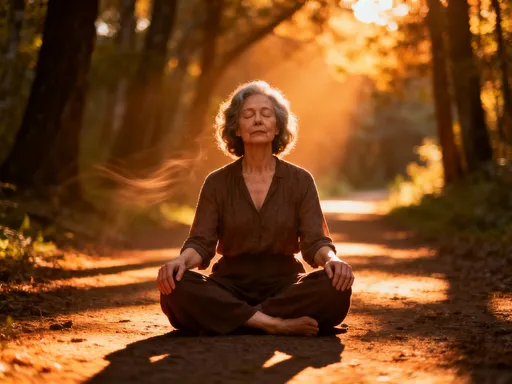
Why Yoga Meets TCM: The Hidden Harmony That Transforms How You Heal
What if the secret to lasting wellness isn’t in a pill, but in the quiet space between breath and balance? I’ve spent years exploring natural healing—and nothing reshaped my health like blending yoga meditation with Traditional Chinese Medicine (TCM). At first, they seemed worlds apart: one from ancient India, the other from China’s oldest healing roots. But over time, I saw how deeply they align. This isn’t about quick fixes—it’s about rewiring your body’s rhythm. Let me walk you through what science and tradition both now confirm.
The Modern Burnout Epidemic
Today, more women than ever report feeling tired all the time, even after a full night’s sleep. They wake up unrefreshed, struggle to focus by mid-morning, and feel emotionally raw after minor stressors. These are not signs of personal failure—they are signals from a body overwhelmed by modern life. Chronic stress, poor sleep quality, and emotional fatigue have become common, yet many medical tests return normal results. Blood work may show no disease, but the body whispers of imbalance through headaches, digestive discomfort, irritability, and low motivation.
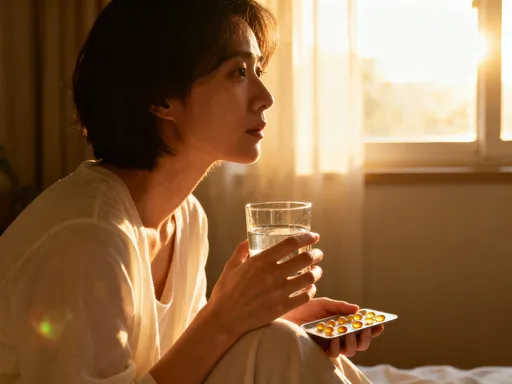
This gap between how someone feels and what tests reveal highlights a limitation in conventional medicine: it often treats symptoms rather than root causes. Medications may help manage anxiety or improve sleep temporarily, but they rarely restore a sense of inner harmony. Women in their 30s to 50s, often juggling family, careers, and caregiving, bear a unique burden. The cumulative effect is a quiet burnout—persistent, invisible, and deeply draining. It’s no wonder so many are searching beyond pharmaceuticals for answers.
Integrative approaches like yoga and Traditional Chinese Medicine (TCM) are gaining recognition because they address this deeper layer of imbalance. Rather than asking, “What’s broken?” they ask, “What’s out of rhythm?” Both systems operate on the principle that health is not merely the absence of illness but the presence of balance—within the body, mind, and energy. As research continues to validate their benefits, more people are discovering that healing can come not from suppression, but from alignment.
Yoga Meditation: More Than Stretching and Breathing
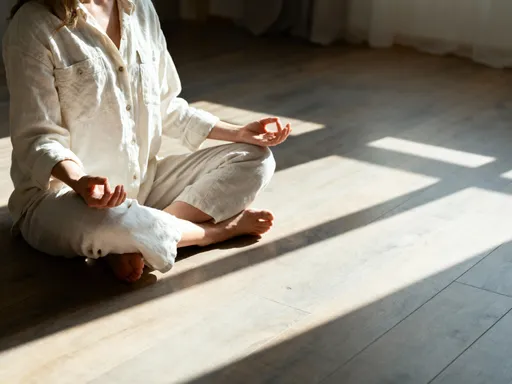
Yoga is often misunderstood as a physical fitness routine focused on flexibility and strength. While asanas, or postures, are visible elements, they are only one part of a much broader system. True yoga meditation is a holistic practice that integrates body, breath, and mind. It includes three core components: asanas, pranayama (breath control), and dhyana (meditative awareness). Together, these practices work to calm the nervous system, clarify the mind, and cultivate a deeper connection to the present moment.
One of the most profound effects of regular yoga meditation is its impact on the autonomic nervous system. Most adults live in a state of sympathetic dominance—constantly alert, reactive, and stressed. Yoga activates the parasympathetic nervous system, often called the “rest and digest” mode. Through slow, intentional breathing and mindful movement, the body learns to shift out of fight-or-flight and into a state of safety and restoration. This shift lowers cortisol, the primary stress hormone, and supports healthier immune and digestive function.
Scientific studies have consistently shown that yoga meditation improves sleep quality, reduces symptoms of anxiety and depression, and enhances cognitive focus. A 2020 meta-analysis published in the Journal of Clinical Psychology found that participants who practiced yoga three times a week for eight weeks reported significant reductions in perceived stress and emotional reactivity. These benefits are not limited to those with diagnosed conditions—many women notice improvements in everyday resilience, such as better patience with children, improved decision-making, and a greater sense of calm during busy days.
Importantly, yoga does not require long sessions or advanced poses to be effective. Even ten minutes of gentle stretching combined with mindful breathing can initiate a shift in the body’s state. The key is consistency. Over time, these small practices retrain the nervous system to default to calm rather than chaos. This is not about achieving perfection on the mat—it’s about cultivating presence off it.
Traditional Chinese Medicine: The Body’s Energetic Blueprint
Traditional Chinese Medicine (TCM) is a comprehensive health system with over 3,000 years of documented use. At its core is the belief that health depends on the smooth flow of Qi (pronounced “chee”), the vital energy that animates all living things. Qi travels through pathways in the body called meridians, connecting organs and systems in a dynamic network. When Qi flows freely, the body functions in harmony. When it becomes blocked or imbalanced, discomfort or illness may arise.
TCM views the body not as a collection of isolated parts but as an integrated whole. It emphasizes balance between opposing forces—Yin and Yang—where Yin represents rest, nourishment, and stillness, and Yang stands for activity, warmth, and movement. Health is maintained when these forces are in equilibrium. For example, a woman experiencing night sweats and irritability may be diagnosed with Yin deficiency, indicating a lack of cooling, calming energy. Rather than suppressing symptoms, TCM seeks to restore balance through natural means.
Common TCM practices include acupuncture, herbal formulas, dietary therapy, and Qigong, a gentle movement practice that cultivates Qi. While acupuncture and herbs are often the most recognized, the underlying principles can be applied daily. For instance, TCM places great importance on observing patterns—how energy shifts with seasons, emotions, and daily routines. A woman might notice that her fatigue worsens in damp weather, which TCM associates with “dampness” in the Spleen system, or that stress triggers tension on the sides of her body, linked to the Liver meridian.
One of TCM’s greatest strengths is its preventive focus. Practitioners assess subtle signs—tongue coating, pulse quality, emotional patterns—long before disease develops. This individualized approach means two women with the same symptom, such as insomnia, may receive different recommendations based on their unique imbalances. TCM does not offer one-size-fits-all solutions; instead, it honors the uniqueness of each person’s constitution and life experience.
Where Yoga and TCM Align: The Science of Energy Flow
At first glance, yoga and TCM may appear to come from different worlds, but their underlying philosophies share remarkable similarities. Both recognize that health is rooted in the movement of energy. In yoga, this life force is called prana; in TCM, it is Qi. Though the terms differ, both describe a subtle, vital force that sustains physical and mental well-being. When this energy is abundant and flowing, the body thrives. When it is stagnant or depleted, discomfort follows.
Interestingly, many yoga postures align closely with TCM’s meridian system. For example, forward bends and gentle twists stimulate the digestive organs, corresponding to the Spleen and Stomach meridians in TCM. Backbends open the chest and heart area, influencing the Heart and Lung meridians. Even the act of deep breathing in pranayama can be seen as a way to move Qi through the body, much like acupuncture needles are used to unblock energy pathways. While yoga does not require needles, its movements and breath techniques may naturally support meridian flow.
Modern research is beginning to validate these ancient observations. Studies using heart rate variability (HRV) have shown that meditation and breathwork increase coherence in the autonomic nervous system—a state associated with emotional balance and resilience. This mirrors TCM’s goal of harmonizing Yin and Yang. When HRV improves, the body is better able to adapt to stress, recover from exertion, and maintain stable mood—all signs of balanced Qi. In this way, science is catching up to what practitioners have known for centuries: that energy, whether called prana or Qi, is measurable in its effects.
Both systems also share a view of disease as imbalance rather than invasion. While Western medicine often looks for pathogens or structural damage, yoga and TCM focus on restoring internal harmony. A headache, for instance, might be treated with painkillers in conventional care, but in these traditions, it could be seen as a sign of Liver Qi stagnation—energy blocked by stress or emotional tension. Addressing the root cause through breath, movement, and lifestyle changes offers a deeper, more sustainable form of healing.
Pain Points Solved: Stress, Fatigue, and Emotional Turbulence
For many women, the daily experience of stress, fatigue, and mood swings feels inescapable. These issues often coexist, feeding into a cycle that’s hard to break. Yoga meditation and TCM offer complementary tools to address each of these challenges at their source. Rather than treating them as separate problems, both systems see them as interconnected expressions of energetic imbalance.
Chronic stress, for example, is often linked to overactivity in the nervous system and, in TCM terms, to Liver Qi stagnation. The Liver in TCM governs the smooth flow of Qi and emotions. When life is rushed or emotions are suppressed, this flow becomes blocked, leading to irritability, tension headaches, and digestive upset. Yoga practices that emphasize deep breathing and gentle stretching—especially poses that open the sides of the body, like seated twists or side bends—can help release this stagnation. Combined with mindfulness, these movements allow emotional energy to move rather than stay trapped.
Fatigue, particularly the kind that persists despite adequate sleep, is another common concern. In TCM, this may point to Spleen Qi deficiency, where the body struggles to transform food and rest into usable energy. Yoga can support this by improving circulation and digestion through gentle abdominal engagement in poses like Cat-Cow or Bridge. Additionally, restorative yoga and breath awareness help conserve energy rather than deplete it. Women who practice regularly often report feeling more sustained energy throughout the day, not because they do more, but because they waste less.
Emotional turbulence—mood swings, anxiety, or unexplained sadness—is also deeply influenced by energy flow. TCM associates emotional well-being with the Heart and Kidney systems, where imbalances can disrupt sleep and emotional stability. Yoga meditation, particularly practices that focus on the heart center (like gentle backbends) and calming breath techniques (such as alternate nostril breathing), supports emotional regulation. When paired with TCM insights—like avoiding cold foods when feeling emotionally fragile or drinking warming herbal teas—these practices become even more effective.
Consider a real-life example: a woman in her 40s who begins her day with five minutes of diaphragmatic breathing and a few gentle stretches. She notices tension in her shoulders and jaw—areas linked to the Gallbladder and Liver meridians. Instead of pushing through, she pauses, breathes into the sensation, and sets an intention to move with ease. In the evening, she sips a cup of chamomile and ginger tea, chosen not at random, but based on TCM principles that support digestion and calm the mind. Over weeks, she sleeps better, feels less reactive, and regains a sense of control. This is not magic—it’s alignment.
A Practical Daily Fusion: Small Steps, Big Shifts
Integrating yoga and TCM into daily life does not require hours of practice or drastic changes. The most powerful shifts often come from small, consistent actions. A fusion routine can be as simple as starting the day with five minutes of Qi-awakening movements—inspired by Qigong—followed by mindful breathing. These gentle motions, such as raising the arms overhead while inhaling and lowering them while exhaling, help circulate energy and signal the body that a new day has begun.
Midday is an ideal time for a breath reset. When stress builds during work or household tasks, pausing for two minutes of slow, deep breathing can interrupt the stress cycle. Try inhaling for a count of four, holding for four, and exhaling for six. This extended exhale activates the parasympathetic nervous system and brings immediate calm. It’s a practice that can be done at a desk, in a car, or even in a bathroom stall—no mat required.
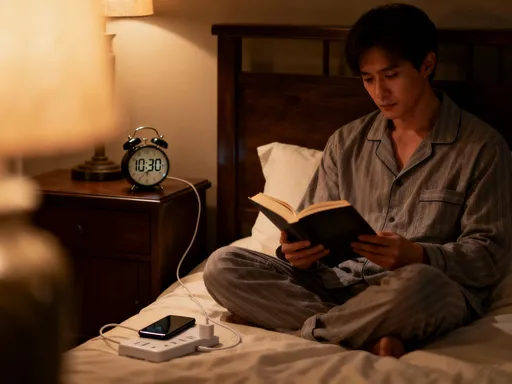
In the evening, a short yin yoga session can support deeper rest. Yin yoga involves holding passive poses for several minutes, allowing the connective tissues and meridians to release. Poses like Child’s Pose, Supported Bridge, or a seated forward fold gently stretch the lower back, hips, and legs—areas rich in meridian pathways. While holding these poses, focus on the breath and observe any sensations without judgment. This is not about achieving a certain shape, but about listening to the body’s whispers.
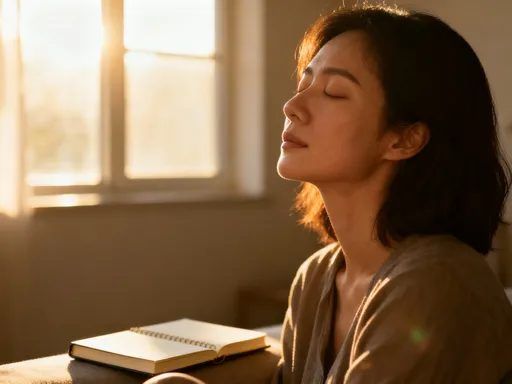
Mindfulness cues enhance the practice. Notice how the body feels upon waking—light or heavy, warm or cool. These subtle signals offer insight into your energetic state. Journaling brief observations—“felt tense in shoulders today,” “slept deeply after evening tea”—helps track patterns over time. Over weeks, a woman may begin to recognize that certain foods, emotions, or routines affect her energy in predictable ways. This self-awareness is the foundation of true wellness.
Creating a supportive environment also matters. Choose a quiet corner with natural light for morning practice. Light a candle or play soft instrumental music to signal a transition into stillness. Set a simple intention—“I welcome calm,” “I honor my energy today.” These small rituals reinforce the practice as sacred, not just another task. The goal is not perfection, but presence.
Beyond Wellness Trends: A Lifelong Relationship with Balance
Yoga and TCM are not passing wellness fads. They are time-tested systems rooted in deep observation of nature and the human body. Their resurgence today is not because they are new, but because they offer something modern life often lacks: a way to slow down, listen inward, and restore balance at the deepest level. For women navigating the complexities of midlife, this integration can be especially transformative.
The long-term benefits go beyond symptom relief. With consistent practice, women often report greater self-awareness—knowing when to rest, when to act, and when to seek support. They develop resilience, not by pushing through exhaustion, but by honoring their limits. This kind of wisdom prevents deeper imbalances from taking root, reducing the risk of chronic conditions later in life.
While self-practice is powerful, professional guidance enhances safety and personalization. Consulting a licensed TCM practitioner can provide tailored insights—such as identifying constitutional imbalances or recommending appropriate herbal support. Working with a certified yoga therapist can help adapt practices to individual needs, especially for those with physical limitations or health concerns. These experts do not replace medical care but complement it, offering tools that empower women to take an active role in their health.
In the end, healing is not a destination but a journey—one that unfolds through daily choices. Each breath, each moment of stillness, each act of self-kindness contributes to a larger rhythm of balance. By weaving together the wisdom of yoga and TCM, women can cultivate a life not just free from illness, but rich in vitality, clarity, and peace. This is not about doing more. It’s about being more—present, aware, and deeply connected to the body’s innate intelligence.