Strong Bones Start Here: My Beginner-Friendly Exercise Routine That Actually Works
Did you know your bones are alive and constantly rebuilding? For years, I ignored bone health—until a minor fall made me rethink everything. Turns out, simple daily movements can make a huge difference. This isn’t about intense workouts or fancy gear. It’s about smart, sustainable exercises that support long-term strength. Let me walk you through the beginner-friendly routine that changed my daily life. Bone health is not something most of us think about until it becomes a problem. But by then, much of the damage may already be done silently, without warning. The good news is that with small, consistent actions, you can actively support your skeleton at any age. This guide is designed to help you understand why bones matter, how movement strengthens them, and what practical steps you can take—starting today.
The Hidden Truth About Bone Health (and Why It Matters Now)
Bones are often thought of as rigid, unchanging parts of the body—like the steel beams inside a building. But in reality, your skeleton is a living, dynamic system that is continuously breaking down old tissue and forming new bone. This process, called bone remodeling, happens throughout life and is influenced by factors such as age, hormones, nutrition, and physical activity. During youth and early adulthood, the body builds bone faster than it loses it, leading to peak bone mass typically reached by the late 20s. After that, the balance gradually shifts. Without proper support, bone loss begins to outpace bone formation, increasing the risk of weakness and fractures.
One of the most dangerous aspects of declining bone health is that it often progresses without symptoms. There’s no pain, no visible change—just a slow weakening that may not be noticed until a minor stumble results in a serious injury. This silent progression is why conditions like low bone density and osteoporosis are sometimes called “silent diseases.” While these concerns are more common in older adults, especially postmenopausal women, the foundation for strong bones is laid decades earlier. Waiting until you’re in your 50s or 60s to focus on bone health is like trying to save for retirement only after you’ve stopped working—it’s possible, but much harder than starting early.
Global health organizations recognize bone health as a growing public concern. As life expectancy increases, so does the number of people living with fragile bones. Without intervention, even everyday actions—such as bending over, lifting a grocery bag, or stepping off a curb—can lead to fractures. The spine, hips, and wrists are particularly vulnerable. But here’s the empowering truth: bone loss is not inevitable. While genetics play a role, lifestyle choices have a significant impact on how well your bones age. And among all the tools available, exercise stands out as one of the most accessible and effective ways to maintain and even improve bone strength.
Why Exercise Is a Game-Changer for Bone Density
If bones were like concrete, they’d weaken over time with use. But because they’re living tissue, the opposite is true: they grow stronger when challenged. This phenomenon is known as mechanical loading—the idea that bones respond to the forces placed upon them by becoming denser and more resilient. When you move your body against gravity or resistance, tiny stresses are created within the bone structure. These micro-stresses signal specialized cells called osteoblasts to deposit new bone material where it’s needed most. Over time, this leads to improved bone density and structural integrity.
A sedentary lifestyle, on the other hand, sends the opposite message to the body. When bones aren’t regularly loaded, the remodeling process slows down, and more bone is broken down than replaced. This imbalance can accelerate bone loss, especially during periods of inactivity such as prolonged sitting, bed rest, or reduced mobility. Studies consistently show that individuals who engage in regular physical activity maintain better bone health compared to those who are inactive. The key isn’t extreme exertion—it’s consistent, purposeful movement that applies safe levels of stress to the skeleton.
Muscle contractions also play a crucial role in bone stimulation. As muscles pull on tendons attached to bones, they create tension that further activates bone-building activity. This is why strength training and weight-bearing exercises are particularly effective—they engage both muscle and bone simultaneously. Activities like walking, climbing stairs, or lifting light weights all count as beneficial forms of mechanical loading. Even simple movements done regularly can send powerful signals to your bones to stay strong.
It’s important to understand that high intensity isn’t required to see benefits. In fact, for beginners—especially those returning to movement after years of inactivity—consistency is far more valuable than intensity. Starting with manageable, low-impact exercises allows the body to adapt safely while building confidence and endurance. The goal isn’t to push limits but to create a sustainable habit that supports lifelong skeletal health. Over time, as strength improves, you can gradually increase the challenge. But the foundation is built through repetition, not strain.
The Top 5 Beginner-Friendly Bone-Boosting Exercises
When beginning a bone-strengthening routine, the focus should be on safety, proper form, and gradual progression. The following five exercises are specifically chosen for their ability to target key areas prone to bone loss—such as the spine, hips, and wrists—while remaining accessible to individuals with varying fitness levels. Each movement uses body weight or minimal equipment, making them easy to perform at home with little preparation.
The first exercise is heel drops. Stand tall near a wall or sturdy surface for balance, with feet hip-width apart. Slowly rise onto the balls of your feet, lifting your heels as high as comfortable. Then, gently lower your heels back down, allowing a slight bounce or tap against the floor. This impact sends a gentle shock through the heel bone and up the spine, stimulating bone cells in these areas. Perform 15 to 20 repetitions, keeping your movements controlled. If balance is a concern, hold onto a countertop or chair. Over time, this simple action helps reinforce the bones in the lower legs and supports spinal health.
Wall push-ups are an excellent way to introduce upper body loading safely. Face a wall about arm’s length away, place your hands flat against it at shoulder height, and step your feet back so your body forms a slight diagonal. Engage your core and slowly bend your elbows to bring your chest toward the wall, then push back to the starting position. This movement mimics traditional push-ups but reduces strain on the joints and wrists. It targets the bones of the arms, shoulders, and wrists—areas often affected by fractures due to falls. Aim for two sets of 10 to 12 repetitions, focusing on smooth breathing and upright posture throughout.
Step-ups using a stair or low platform build strength in the legs and hips, which are critical for fall prevention and mobility. Stand in front of a single step or sturdy riser about 6 to 8 inches high. Place your right foot fully on the step, press through the heel to lift your body upward, and bring your left foot to meet it. Step back down in the reverse order, leading with the left foot. Repeat for 8 to 10 steps per leg. This exercise strengthens the femur (thigh bone) and hip joint, both of which are vital for maintaining independence as we age. If balance is a challenge, hold the railing or place a hand on a nearby wall for support.
Standing side leg lifts improve stability and support the hip bones. Hold onto the back of a chair or wall for balance. Shift your weight onto your left leg and slowly lift your right leg out to the side, keeping your toes pointing forward and your torso upright. Raise your leg only as high as you can without leaning or swaying, then lower it with control. Complete 10 to 12 lifts per side. This movement targets the outer hip and femoral neck, areas vulnerable to fractures. It also enhances balance and coordination, reducing the risk of falls that could lead to injury.
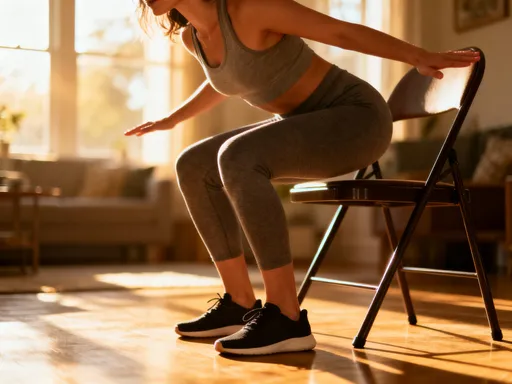
Chair squats develop functional strength while protecting the lower back. Place a sturdy chair behind you and stand with feet shoulder-width apart. Slowly bend your knees and hips as if sitting down, reaching your arms slightly forward for balance. Lower yourself until your buttocks lightly touch the chair, then stand back up using your leg muscles. Avoid leaning forward or rounding your spine. Perform 10 to 12 repetitions. This movement strengthens the muscles around the hips and thighs while applying beneficial load to the pelvic and leg bones. For added safety, ensure the chair does not roll and keep your knees aligned over your toes.
How to Build a Realistic Weekly Routine (Without Burnout)
Starting a new exercise habit can feel overwhelming, especially when juggling family, work, and household responsibilities. The key to success lies in simplicity and sustainability. Rather than aiming for long or intense sessions, begin with short, manageable workouts three non-consecutive days per week—such as Monday, Wednesday, and Friday. This schedule allows your bones and muscles time to recover between sessions, which is essential for adaptation and growth. Bone remodeling is not an overnight process; it requires repeated stimuli followed by rest to rebuild stronger.
Each session should last between 10 and 15 minutes. This brief time commitment makes it easier to fit into a busy day—perhaps after breakfast, during a midday break, or before dinner. Within this window, aim to complete one set of each of the five exercises described earlier. As your strength and confidence grow, you can gradually increase to two sets or extend the duration to 20 minutes. The goal is not to rush progress but to establish a reliable rhythm that becomes part of your daily life.
To enhance consistency, consider pairing your exercise routine with an existing habit—a technique known as habit stacking. For example, do your heel drops and wall push-ups immediately after brushing your teeth in the morning. Or perform chair squats and leg lifts while waiting for the kettle to boil. These small connections anchor your new behavior to familiar cues, making it easier to remember and follow through. Over time, the routine becomes automatic rather than something you have to force yourself to do.
Rest days are not a sign of laziness—they are a vital part of the process. Bones need time to repair and strengthen after being loaded. Exercising every day, especially with impact, can increase the risk of strain or joint discomfort, particularly for beginners. By spacing out your workouts, you allow your body to adapt safely. Listen to your body: mild muscle fatigue is normal, but sharp pain or persistent soreness is a signal to slow down or modify your movements. Progress is not measured by how much you do in a single day, but by how consistently you show up over weeks and months.
Pairing Movement With Nutrition: What Actually Supports Bones?
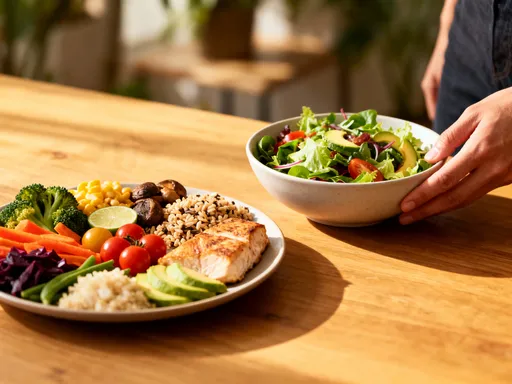
Exercise provides the mechanical signal for bones to grow stronger, but nutrition supplies the raw materials needed for that growth. Think of it like building a house: physical activity is the construction crew, but without bricks and mortar, the structure cannot be completed. Three key nutrients play central roles in bone health—calcium, vitamin D, and protein. While supplements are available, the best approach is to obtain these nutrients through a balanced, varied diet.
Calcium is the primary mineral found in bones, giving them their hardness and structure. Good food sources include dairy products like milk, yogurt, and cheese, as well as leafy green vegetables such as kale and bok choy, and fortified plant-based milks. Including calcium-rich foods throughout the day helps maintain a steady supply for bone remodeling. However, consuming large amounts at once is not necessary—your body absorbs calcium more efficiently in smaller doses spread across meals.
Vitamin D is essential because it enables the body to absorb calcium from the digestive tract. Without sufficient vitamin D, even a calcium-rich diet may not benefit the bones. The body can produce vitamin D when skin is exposed to sunlight, particularly during midday hours. Spending 10 to 15 minutes outdoors several times a week—without sunscreen—can help maintain adequate levels, though this varies by skin tone, location, and season. Fatty fish like salmon and mackerel, egg yolks, and fortified foods also contribute to vitamin D intake.
Protein often gets overlooked in bone health discussions, but it makes up about half of bone volume and plays a structural role in the bone matrix. Adequate protein intake supports muscle strength, which in turn protects bones and improves balance. Lean meats, poultry, fish, eggs, beans, lentils, tofu, and Greek yogurt are all excellent sources. Combining protein with calcium-rich foods—such as cheese with whole-grain crackers or yogurt with nuts—creates meals that support both muscle and bone.
No single food or nutrient can guarantee strong bones, and no amount of exercise can fully compensate for poor nutrition. The most effective strategy is balance: eating a variety of whole foods, staying hydrated, and avoiding excessive intake of sodium, alcohol, and sugary beverages, which can negatively affect bone density over time. Remember, nutrition works hand-in-hand with physical activity—it supports the process but does not replace the need for movement.
Tracking Progress: Signs Your Bones Are Getting Stronger
Unlike weight loss, which can be measured on a scale, improvements in bone health are not immediately visible. There are no dramatic transformations to photograph or numbers to track daily. Instead, progress shows up in subtle, meaningful ways that reflect overall strength and confidence. One of the first signs many people notice is improved balance. You may find it easier to stand on one foot while putting on socks, or feel more stable when walking on uneven surfaces. Better balance reduces the risk of falls, which is one of the most important benefits of a bone-strengthening routine.
Another indicator is reduced stiffness, especially in the morning or after sitting for long periods. As your joints become more mobile and your muscles stronger, daily movements like standing up from a chair, climbing stairs, or reaching for items on a shelf become easier and more fluid. You might also observe improvements in posture—standing taller with shoulders back and head aligned over the spine. Good posture not only enhances appearance but also reduces strain on the spine and helps maintain bone alignment.
Increased functional strength is another positive sign. Tasks that once felt challenging—carrying groceries, lifting a suitcase, or playing with grandchildren—may now feel more manageable. This growing sense of physical capability is a powerful motivator. It reinforces the value of your efforts and builds confidence in your body’s resilience. These small victories, though not dramatic, are real evidence that your bones and muscles are responding to the work you’re doing.
While these changes are encouraging, they are not a substitute for medical evaluation. The only way to accurately assess bone density is through a clinical test, such as a DEXA scan, performed by a healthcare provider. These screenings are especially important for women over 65 or those with risk factors such as family history, low body weight, or long-term steroid use. Regular check-ups allow for early detection and informed decision-making. Always consult with a doctor before starting a new exercise program, particularly if you have existing health conditions or concerns about fractures.
Long-Term Mindset: Making Bone Health a Lifestyle, Not a Chore
Sustainable change doesn’t come from short-term fixes or extreme measures. It comes from redefining your relationship with your body and viewing movement as an act of care, not punishment. Bone health is not a destination—it’s a lifelong journey that evolves with your needs and circumstances. Some days you’ll feel energized and complete every repetition with ease. Other days, fatigue, stress, or a busy schedule may make even 10 minutes feel like too much. And that’s okay. The goal is consistency over perfection.
Many people struggle with motivation, especially when results aren’t immediate. It’s natural to wonder if these small efforts are really making a difference. But remember: bones remodel slowly, over cycles of several months. The work you do today lays the foundation for strength years from now. Think of each heel drop, each chair squat, as a deposit into your body’s future resilience. Over time, these small actions compound, creating a skeleton that can support you through life’s everyday moments—and unexpected challenges.
If you miss a day, don’t abandon the routine. Simply return the next scheduled session. Progress is not erased by a single break. In fact, allowing flexibility makes the habit more durable. You can also adapt the exercises as your life changes. Traveling? Do wall push-ups in a hotel room. Limited space? Perform leg lifts beside your bed. The routine is meant to serve you, not the other way around.
Ultimately, prioritizing bone health is an investment in independence. It’s about maintaining the ability to move freely, care for loved ones, and enjoy activities you love—whether that’s gardening, dancing, traveling, or playing with grandchildren. By integrating simple, effective exercises into your life now, you’re not just preventing fractures—you’re building a stronger, more confident version of yourself. Strong bones start here, with a single step, a single repetition, a single choice to take care. And from there, they grow unshakable.