What Changed My Mind About Menopause? A Real Woman’s Journey Through Emotional Balance
Menopause isn’t just hot flashes and sleepless nights—many women struggle silently with mood swings, anxiety, and a sense of losing themselves. I did. It hit me harder than I expected, not physically, but emotionally. This is my story of rediscovering calm, clarity, and confidence during this transition—without quick fixes or magic cures. What helped wasn’t one big thing, but a series of small, doable changes that actually worked. It began with recognizing that what I was feeling was not weakness, not failure, but a deeply human response to profound internal change. And once I stopped fighting it, I found a way to move with it—gracefully, steadily, and with growing self-compassion.
The Emotional Rollercoaster: What No One Warns You About
When most people think of menopause, they picture night sweats, irregular periods, and fatigue. Rarely do conversations include the invisible storm beneath the surface: emotional turbulence. For many women, this phase brings sudden irritability, unexplained sadness, difficulty concentrating, and a heightened sensitivity to stress. These are not signs of personal failure or aging poorly—they are real, biologically driven shifts in brain chemistry triggered by hormonal fluctuations. Estrogen, which plays a key role in regulating mood, declines during perimenopause and menopause. This affects neurotransmitters like serotonin and GABA, both of which help stabilize emotions and reduce anxiety.
When serotonin levels dip, the brain’s ability to manage mood and maintain emotional balance weakens. This can lead to feelings of low motivation, tearfulness, or a persistent sense of unease. GABA, known as the brain’s natural calming agent, also becomes less active, making it harder to relax or recover from daily stressors. The result? A nervous system that feels constantly on edge. A simple comment from a family member might trigger an outsized reaction. A minor setback at work might feel overwhelming. These aren’t character flaws—they are physiological responses to hormonal shifts that millions of women experience, often in silence.
Many women report snapping at their children over small things, feeling suddenly tearful during routine conversations, or struggling to focus at work despite doing everything “right.” These moments can be confusing and isolating. Without understanding the biological roots, it’s easy to blame oneself. But recognizing these emotional changes as part of the menopausal transition—rather than personal shortcomings—can be profoundly liberating. It allows space for self-compassion and opens the door to practical solutions. You are not losing your mind. You are navigating a natural, albeit challenging, phase of life.
Shifting the Mindset: From Crisis to Transition
One of the most powerful shifts in my journey was changing how I viewed menopause itself. For years, I saw it as an endpoint—a marker of lost youth, fading vitality, and declining relevance. This cultural narrative, reinforced by media and even medical language, frames menopause as a deficiency state, something to be “treated” or “fixed.” But when I began to see it not as a crisis but as a transition—a natural evolution of the female life cycle—everything changed. This reframe didn’t erase symptoms, but it reduced their emotional weight. Instead of resisting the change, I started to meet it with curiosity and respect.
Menopause is not a disease. It is a normal biological process, much like puberty or pregnancy, marking a shift in hormonal patterns and life roles. When we approach it with fear or shame, we amplify its challenges. Stress and negative expectations can worsen symptoms through the nocebo effect—the opposite of the placebo effect—where believing something will be harmful makes it feel worse. On the other hand, viewing menopause as a time of growth, reflection, and renewed self-awareness can improve emotional resilience. Women across cultures and generations have navigated this passage, often emerging with greater clarity, confidence, and purpose.
Acceptance does not mean passivity. It means acknowledging what is happening without judgment and choosing how to respond. When I stopped seeing mood swings as personal failures and began seeing them as signals—invitations to slow down, breathe, or seek support—I regained a sense of agency. This mindset shift didn’t happen overnight. It grew through small moments of awareness: catching myself in frustration, pausing, and asking, “Is this really about what just happened, or is my body telling me something deeper?” That simple question created space between reaction and response, and in that space, I found calm.
Building Emotional Resilience: Daily Practices That Help
Emotional stability during menopause isn’t about eliminating feelings—it’s about building resilience so you can move through them without being overwhelmed. Science shows that consistent, small habits have a cumulative effect on brain chemistry and nervous system regulation. Practices like mindful breathing, journaling, and structured daily routines don’t require hours of effort, but they do require regularity. The key is not intensity but consistency. Just as a muscle strengthens with repeated use, emotional resilience grows through daily practice, even in brief doses.
Mindful breathing, for example, activates the parasympathetic nervous system—the body’s “rest and digest” mode. Taking just three to five minutes each morning to focus on slow, deep breaths can reset the nervous system and set a calmer tone for the day. One woman I spoke with described her “5-minute morning reset” as the anchor of her routine: sitting by the window, hands on her belly, breathing in for four counts, holding for four, exhaling for six. She didn’t feel transformed overnight, but over weeks, she noticed she reacted less sharply to stress and felt more present with her family.
Journalling is another powerful tool. Writing down thoughts and emotions helps process them, reducing their intensity. It also creates a record of patterns—helping you see triggers and progress over time. One study published in the Journal of Clinical Psychology found that expressive writing improved mood and reduced anxiety in midlife women. You don’t need to write pages—just a few sentences each day can help. Try prompts like “What am I feeling right now?” or “What do I need today?” The act of putting feelings into words reduces their emotional charge and fosters self-awareness.
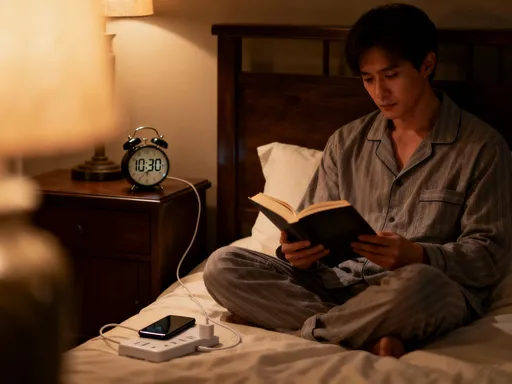
Structured routines also provide stability in a time of change. Knowing what to expect—when you’ll eat, move, rest, and connect—reduces decision fatigue and supports hormonal balance. A predictable rhythm helps regulate cortisol, the stress hormone, which can become erratic during menopause. When cortisol is high at night, it disrupts sleep, which in turn worsens mood. A simple evening routine—dimming lights, sipping herbal tea, reading—signals the body that it’s time to wind down. These habits aren’t glamorous, but they are deeply effective.
The Role of Connection: Why You Shouldn’t Go It Alone
One of the most underestimated aspects of emotional well-being during menopause is connection. Yet so many women suffer in silence, afraid of being seen as “moody” or “difficult.” This isolation only deepens emotional distress. Talking about what you’re going through—being heard and understood—can be profoundly healing. Human beings are wired for connection; when we share our experiences, we reduce shame, gain perspective, and feel less alone. This doesn’t mean oversharing with everyone, but finding safe spaces to speak openly—whether with a trusted friend, a support group, or a therapist.
Support groups, in particular, offer a unique kind of validation. Hearing other women describe the same struggles—forgetting names, crying during commercials, feeling disconnected from their usual selves—normalizes the experience. It’s not just you. It’s not all in your head. It’s real, and it’s shared. Many women report that joining a menopause circle or online community was a turning point. One participant said, “For the first time, I didn’t feel broken. I felt understood.” That sense of belonging can be as powerful as any supplement or therapy.
Therapy is another valuable resource. A trained counselor can help you navigate emotional shifts, develop coping strategies, and explore deeper patterns. Cognitive behavioral therapy (CBT), for example, has been shown to reduce anxiety and improve mood in menopausal women. It helps identify unhelpful thought patterns—like “I’m losing control” or “I’m not good enough anymore”—and replace them with more balanced perspectives. Talking to a professional isn’t a sign of weakness; it’s an act of courage and self-care.
Equally important is being a listener. Connection flows both ways. When you share your story, you give others permission to do the same. One conversation can spark a ripple effect of understanding and support. Emotional healing isn’t just about receiving empathy—it’s also about offering it. In that exchange, we rebuild a sense of community and strength.
Movement as Mood Medicine: Beyond Just Fitness
Physical activity is often promoted for weight management or heart health, but its impact on emotional well-being during menopause is equally vital. Movement is mood medicine. Exercise influences brain chemistry by increasing endorphins, serotonin, and dopamine—neurochemicals that enhance mood, motivation, and resilience. But during menopause, the focus should shift from performance to feeling. It’s not about how many calories you burn or how fast you run, but how movement makes you feel in your body and mind.
Walking, for instance, is one of the most accessible and effective forms of exercise. A daily 30-minute walk in nature has been shown to reduce rumination—the repetitive, negative thinking linked to anxiety and depression. The rhythm of walking, combined with fresh air and natural scenery, calms the nervous system. Yoga offers similar benefits, combining gentle movement with breath awareness to reduce stress and improve emotional regulation. Studies have found that regular yoga practice can decrease cortisol levels and improve sleep quality in menopausal women.
Dancing is another powerful option. It’s joyful, expressive, and physically engaging. One woman shared how she started dancing alone in her kitchen each evening—a few minutes of moving to her favorite songs. “It didn’t change my hormones,” she said, “but it changed how I felt about myself. I felt alive again.” That sense of vitality is often what women miss most during menopause.
The key is consistency and enjoyment. On low-energy days, even five minutes of stretching or slow walking counts. The goal is not to push through fatigue but to honor your body’s needs. Over time, regular movement builds emotional resilience, improves sleep, and enhances self-esteem. It’s not about looking younger—it’s about feeling more like yourself.
Sleep, Stress, and the Mental Load: Breaking the Cycle
Sleep and emotional balance are deeply intertwined. During menopause, disrupted sleep—whether from night sweats, anxiety, or hormonal shifts—can worsen mood, increase irritability, and impair cognitive function. Poor sleep elevates cortisol, the stress hormone, which in turn makes it harder to fall asleep the next night. This creates a vicious cycle: stress disrupts sleep, and sleep loss increases stress. Breaking this cycle is essential for emotional well-being.
One of the most effective strategies is establishing a wind-down routine. The body thrives on predictability. Going to bed and waking up at the same time each day—even on weekends—helps regulate circadian rhythms. In the hour before bed, reducing stimulation is crucial. That means limiting screen time, avoiding intense conversations, and stepping away from work-related tasks. Blue light from phones and tablets suppresses melatonin, the hormone that signals sleep, making it harder to fall asleep.
Instead, create a calming pre-sleep ritual. This might include sipping caffeine-free herbal tea, reading a physical book, practicing gentle stretches, or listening to soothing music. Some women find comfort in aromatherapy—lavender essential oil has been studied for its calming effects and potential to improve sleep quality. Keeping the bedroom cool, dark, and quiet also supports rest. If night sweats are an issue, moisture-wicking bedding and a fan can make a meaningful difference.
Managing nighttime thoughts is another challenge. Many women lie awake ruminating over the day’s events or worrying about the future. Journaling before bed can help “download” these thoughts onto paper, clearing mental space. Mindfulness meditation or guided sleep meditations can also quiet the mind. The goal isn’t to eliminate all thoughts, but to observe them without getting caught in their current. Over time, these practices train the brain to release the mental load and return to rest.
Putting It All Together: A Sustainable Approach to Inner Calm
Menopause is not a problem to be solved with a single solution. Lasting emotional balance comes from a combination of mindset, habits, and support. No one practice will fix everything, but together, they create a foundation for resilience. The journey is not linear—some days will be harder than others. But with each small choice—to breathe, to move, to connect, to rest—you reinforce your capacity to navigate this transition with grace.
What works for one woman may not work for another, and that’s okay. Personalization is key. Some may find relief in daily walks and journaling, while others benefit more from therapy or yoga. The goal is not perfection, but progress. It’s about listening to your body, honoring your needs, and responding with kindness. This is not a time to push harder or “power through.” It’s a time to slow down, tune in, and rebuild from within.
Menopause is not the end of vitality. It is not a decline. It is a doorway—a passage into a new chapter of self-understanding, wisdom, and emotional freedom. When we stop fighting the changes and begin to work with them, we discover strengths we didn’t know we had. We learn to trust ourselves again. We find calm not by eliminating emotion, but by learning to move with it. And in that movement, we find a deeper, more enduring sense of peace. This is not the end of who you are. It is the beginning of who you are becoming.