Why Strength Training Changed My Energy, Mood, and Daily Life
You don’t need extreme workouts to feel stronger and healthier—just consistent, smart strength training. I started lifting not for a six-pack, but to fix constant fatigue and low mood. What happened? More energy, better sleep, and a sharper mind. Science backs it: building muscle isn’t just about looks—it boosts metabolism, balances hormones, and supports long-term health. This is how I optimized my wellness, one rep at a time.
The Hidden Problem: Why Feeling "Fine" Isn’t Enough
Many women in their 30s, 40s, and 50s describe themselves as "fine"—not sick, not in pain, but never truly vibrant. They wake up tired, rely on coffee to stay alert, and feel too drained to enjoy evenings with family or pursue hobbies. This state of low-grade exhaustion is often dismissed as part of aging or busy life, but it’s not normal. It’s a sign that the body is slowly losing its metabolic resilience. One of the most overlooked contributors to this decline is muscle loss.
Muscle is not just the tissue that allows you to lift or move—it’s a dynamic, metabolically active organ. Every pound of muscle burns more calories at rest than fat does, helping regulate blood sugar and reduce insulin resistance. Muscles also act as reservoirs for amino acids, which the body uses during stress or illness. When muscle mass declines, so does the body’s ability to respond to daily demands. This silent erosion begins as early as age 30, with adults losing 3% to 5% of muscle mass per decade—a process called sarcopenia.
For women, hormonal shifts during perimenopause and menopause accelerate this loss. Lower estrogen levels affect muscle protein synthesis and fat distribution, often leading to increased abdominal fat and decreased strength. But the consequences go beyond appearance. Poor muscle health is linked to higher risks of type 2 diabetes, osteoporosis, and mobility issues later in life. The good news? This decline is not inevitable. Unlike many aspects of aging, muscle loss can be slowed, stopped, and even reversed with the right stimulus: strength training.
What Strength Training Really Is (And What It Isn’t)
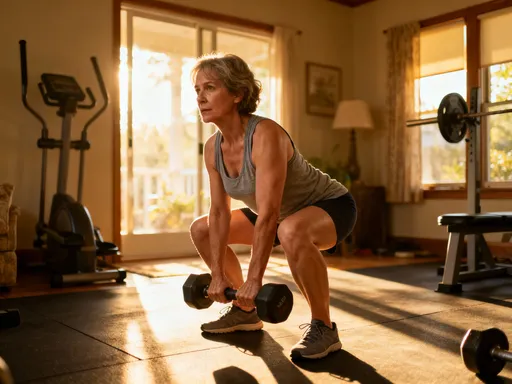
Despite growing awareness, many still associate strength training with bodybuilders, heavy weights, or grueling gym sessions. That image couldn’t be further from the truth for most people, especially women seeking sustainable health. Strength training, at its core, is any activity that causes your muscles to work against resistance. This can include lifting dumbbells, using resistance bands, doing bodyweight exercises like squats or push-ups, or even carrying groceries up a flight of stairs.
The goal is not to build massive muscles, but to create enough tension in the muscle fibers to trigger adaptation. When done consistently, this process strengthens not only muscle but also tendons, ligaments, and bones. Over time, the body becomes more efficient at producing force, improving balance, coordination, and joint stability. These benefits are especially valuable as we age and natural declines in coordination increase fall risk.
Three key principles make strength training effective: progressive overload, recovery, and proper form. Progressive overload means gradually increasing the challenge—whether by adding weight, doing more repetitions, or slowing down movements—so muscles continue to adapt. Recovery is equally important; muscles grow stronger during rest, not during the workout. Most people need at least 48 hours between working the same muscle group. Finally, form ensures safety and effectiveness. Poor technique can lead to injury, while correct alignment maximizes muscle engagement and long-term progress.
Why Strength Works: The Science of Health Optimization
The benefits of strength training extend far beyond physical appearance. Research consistently shows that regular resistance exercise improves metabolic health, hormonal balance, and brain function. One of the most significant impacts is on insulin sensitivity. When muscles contract during strength training, they absorb glucose from the bloodstream without needing insulin. Over time, this helps lower blood sugar levels and reduces the risk of insulin resistance, a precursor to type 2 diabetes.
Another major benefit is an increase in resting metabolic rate. Because muscle tissue is more metabolically active than fat, having more muscle means your body burns more calories even when you’re sitting or sleeping. This can help prevent age-related weight gain, particularly around the midsection, which is common in midlife women. A study published in the journal Obesity found that women who did strength training twice a week gained less abdominal fat over time compared to those who didn’t, even without changes in diet.
Strength training also influences hormone levels in beneficial ways. While it does not cause unnatural spikes in testosterone in women, it supports healthy levels of growth hormone and insulin-like growth factor 1 (IGF-1), both of which play roles in tissue repair and energy regulation. Additionally, resistance exercise has been shown to reduce systemic inflammation, a silent driver of many chronic conditions including heart disease and arthritis.
Perhaps one of the most surprising benefits is its effect on the brain. Strength training increases levels of brain-derived neurotrophic factor (BDNF), a protein that supports the growth and survival of neurons. Higher BDNF levels are linked to improved memory, focus, and mood regulation. In clinical trials, older adults who engaged in regular strength training showed slower cognitive decline and better executive function compared to sedentary peers. For women navigating the mental fog of hormonal transitions, this cognitive boost can be life-changing.
Starting Small: My First 4 Weeks Without Overwhelm
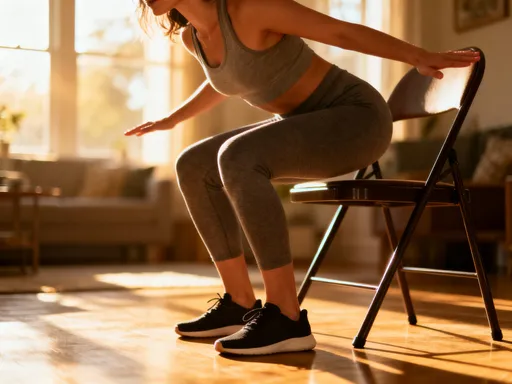
I didn’t begin strength training with big goals. I wasn’t trying to transform my body or set fitness records. I was simply tired—tired of feeling sluggish by 3 p.m., tired of needing help to carry suitcases, tired of dreading stairs. My first step was small: two 20-minute sessions per week, done at home with no equipment. I used a YouTube video for guidance and started with three basic movements: bodyweight squats, resistance band rows, and step-ups using my staircase.
The first week was humbling. I could barely do 10 squats in a row without my legs shaking. My form was awkward, and I worried I was doing it wrong. But I focused on consistency, not perfection. I scheduled my workouts for Tuesday and Friday mornings, right after my coffee—linking them to an existing habit made them easier to stick to. By the end of week two, I noticed I could do 12 squats with better control. My posture felt straighter, and I caught myself standing taller during the day.
By week three, something shifted. I climbed a flight of stairs at the mall and didn’t feel winded. I played tag with my niece in the backyard and kept up without stopping. These small victories built confidence. I added a second set to each exercise and started paying attention to how my body felt during movements—was I engaging my glutes? Was my back flat? I recorded my reps in a notebook, not to obsess, but to see progress. By the end of the fourth week, I had doubled my endurance and felt a quiet sense of pride I hadn’t experienced in years.
The lesson was clear: you don’t need intensity to see results. You need consistency, patience, and a willingness to start where you are. For women who feel too busy, too tired, or too unsure to begin, this low-barrier entry is exactly what makes strength training sustainable. It’s not about pushing yourself to the limit—it’s about showing up, moving your body, and trusting that small efforts compound over time.
The Minimal Effective Dose: What Actually Moves the Needle
One of the most empowering truths about strength training is that it doesn’t require hours of effort to be effective. According to the American College of Sports Medicine and the World Health Organization, adults should engage in muscle-strengthening activities at least two days per week, targeting all major muscle groups. Research shows that just two full-body sessions per week can lead to significant improvements in strength, body composition, and metabolic health—especially when done consistently over time.
The key is to focus on compound movements—exercises that work multiple muscle groups at once. These include the squat (a lower-body hinge), push-up or overhead press (upper-body push), row or pull-down (upper-body pull), deadlift or hip hinge (posterior chain), and farmer’s carry (core and grip strength). These movements mimic real-life actions like lifting, bending, reaching, and carrying, making them highly functional.
A typical beginner routine might include 2 to 3 sets of 8 to 12 repetitions per exercise. The last few reps should feel challenging but doable with good form. As the body adapts, you can increase the resistance—by adding light dumbbells, using a heavier band, or slowing down the movement. Tracking progress doesn’t require complex apps or fitness trackers. Simply noting how many reps you can do, how the weight feels, or how daily tasks become easier can provide meaningful feedback.
What matters most is quality over quantity. A 20-minute session with focused effort and proper form is more effective than an hour of distracted, sloppy movement. For women managing households, careers, and caregiving, this efficiency is crucial. You don’t need to "find" time—you can design a routine that fits into the margins of your day. The goal isn’t perfection; it’s progress. And the minimal effective dose proves that even small, regular efforts can lead to real, lasting change.
Fitting It Into Real Life: No Time? No Problem
One of the biggest barriers to exercise is the belief that it requires a lot of time, space, or equipment. But strength training can be adapted to fit nearly any lifestyle. The key is to make it convenient, consistent, and realistic. For remote workers, a 15-minute session between meetings can boost energy and focus. For parents, doing a few bodyweight squats or wall push-ups during a child’s screen time turns idle moments into movement.
Home-based strength training has never been more accessible. Resistance bands cost under $20, take up no space, and can be used for dozens of exercises. A pair of adjustable dumbbells can replace an entire gym rack. Even household items—like a backpack filled with books or a sturdy chair for step-ups—can serve as effective tools. The goal is not to replicate a gym, but to create a sustainable practice you can maintain long-term.
For women with unpredictable schedules, habit stacking is a powerful strategy. This means linking your workout to an existing daily routine—like doing a set of glute bridges after brushing your teeth or a few rows with a band while waiting for the kettle to boil. Travelers can pack resistance bands in a suitcase and do a quick session in a hotel room. The flexibility of strength training means it can be done almost anywhere, at any time.
Sample weekly plans can be tailored to different needs. A working mom might do 20 minutes on Monday and Thursday evenings, focusing on full-body movements. A retiree might prefer shorter, daily sessions of 10 minutes, spreading activity throughout the week. A busy professional could break workouts into two 10-minute segments—morning and afternoon. The structure should support the person, not the other way around. When strength training becomes a natural part of daily life, it stops feeling like a chore and starts feeling like self-care.
Beyond the Gym: How Strength Transforms Daily Living
The true measure of strength training’s impact isn’t how you look in a mirror—it’s how you move through the world. The real victories are functional: being able to lift a heavy pot without straining, chase a grandchild across the park without gasping, or recover quickly after a bout of illness. These are the invisible wins that build confidence, independence, and resilience.
As we age, maintaining strength becomes a form of insurance. Strong muscles support joint health, reducing the risk of arthritis pain and injury. Good balance and coordination lower the chance of falls, a leading cause of disability in older adults. And because strength training improves energy and mood, it enhances overall quality of life. Women who train regularly report feeling more capable, more alert, and more in control of their bodies.
There’s also a quiet dignity in aging with strength. It means not having to ask for help with everyday tasks. It means traveling with ease, gardening without pain, or playing with grandchildren without fatigue. It means preserving the ability to live independently—a goal that matters deeply to many women as they plan for the future.
Strength training is not a shortcut or a trend. It’s a lifelong practice that pays compound interest. The effort you invest today builds a foundation for better health tomorrow. It’s not about achieving a certain look—it’s about creating a body that functions well, adapts to challenges, and supports a full, active life. For women who want to feel strong, energized, and capable at every stage, it may be the most powerful tool available.
Strength training isn’t a trend—it’s a lifelong investment in your body’s ability to function, adapt, and thrive. You don’t need perfection, just persistence. By making it simple, sustainable, and smart, anyone can build not just muscle, but a better-quality, more energized life.