Why I Finally Beat Insomnia — My Real Sleep Fix That Actually Works
Ever lie awake at 3 a.m., mind racing while your body begs for rest? I’ve been there—nights blurred into exhaustion, focus slipped, and mood crashed. After years of failed fixes, I discovered a natural, science-backed routine that changed everything. This isn’t magic—it’s method. In this guide, I’ll walk you through the exact steps that restored my sleep and energy, all without pills or extreme measures. It’s not about chasing sleep; it’s about creating the right conditions for it to return naturally. And the transformation wasn’t just in my nights—it reshaped my days, my clarity, and my sense of control.
The Hidden Cost of Poor Sleep
Chronic sleeplessness is more than just a nightly inconvenience. It silently erodes mental clarity, emotional stability, and long-term physical health. When rest is consistently disrupted, the brain struggles to consolidate memories, process emotions, and maintain focus. Studies show that poor sleep is linked to increased risks of hypertension, weakened immunity, and metabolic imbalances. Over time, the body remains in a low-grade state of stress, with elevated cortisol levels that further disrupt hormonal balance and recovery processes.
Mood disturbances are among the most immediate consequences. Irritability, low motivation, and difficulty managing daily stress become common. For many women in their 30s to 50s, who often juggle family responsibilities, work, and personal well-being, the emotional toll of poor sleep can feel overwhelming. The brain, deprived of restorative rest, becomes less resilient. Simple decisions feel harder, and emotional reactions grow sharper. This creates a cycle: stress disrupts sleep, and poor sleep amplifies stress.
Yet, many people believe that simply trying harder to fall asleep will solve the problem. This mindset is flawed. Sleep is not a voluntary act—it is a biological process regulated by complex neurological and hormonal signals. When the mind is overactive or the body is misaligned with its natural rhythms, no amount of effort will force sleep. Instead, the focus must shift from chasing sleep to creating the conditions that allow it to emerge naturally. This means understanding sleep as a system, not a switch.
Sleep optimization, therefore, is not a luxury but a foundational pillar of health. Just as nutrition and physical activity support well-being, so does consistent, high-quality rest. The body repairs tissues, the brain clears metabolic waste, and the immune system strengthens—all during deep sleep phases. When this process is interrupted night after night, the cumulative effect is a decline in overall vitality. Recognizing sleep as a core component of self-care, rather than an afterthought, is the first step toward lasting change.
What Insomnia Really Is (And What It Isn’t)
Insomnia is often misunderstood as simply the inability to fall asleep. In reality, it encompasses a broader range of sleep disturbances, including frequent awakenings, early morning wakefulness, and non-restorative sleep—waking up feeling unrefreshed despite spending adequate time in bed. The key distinction lies in the quality, not just the quantity, of sleep. Many people believe they are getting enough hours, yet still feel exhausted because their sleep lacks the deep, restorative stages necessary for true recovery.
There are two main types: acute and chronic insomnia. Acute insomnia is short-term, often triggered by life events such as travel, illness, or emotional stress. It typically resolves on its own once the stressor passes. Chronic insomnia, however, persists for at least three nights a week for three months or longer. This form is more complex and often rooted in behavioral patterns, environmental factors, or underlying health conditions. It is not simply a matter of poor habits, but a condition that can become self-sustaining due to learned associations and heightened arousal.
One common misconception is that insomnia is primarily caused by biological defects or chemical imbalances. While medical conditions can contribute, research shows that lifestyle and behavioral factors play a significant role in most cases. Habits such as irregular sleep schedules, excessive screen use before bed, caffeine consumption in the afternoon, and emotional rumination can all reinforce the cycle of sleeplessness. The brain begins to associate the bed with frustration and wakefulness rather than rest, making it harder to relax even when the opportunity to sleep is available.
Understanding insomnia as a conditioned response—rather than a fixed medical diagnosis—opens the door to change. It means that just as poor habits can worsen sleep, intentional, consistent practices can retrain the brain to respond differently. This shift in perspective is empowering. It places agency back in the hands of the individual, emphasizing that while the struggle is real, it is not permanent. With the right approach, the nervous system can be recalibrated to support restful, uninterrupted sleep.
Why Standard Advice Falls Short
Most people have heard the standard sleep tips: drink warm milk, count sheep, avoid caffeine, and stick to a bedtime. While these suggestions are not inherently wrong, they often fail to produce lasting results. Warm milk may be comforting, but it does little to address the underlying causes of chronic insomnia. Counting sheep lacks scientific support and can even keep the mind engaged in an effortful task, which is counterproductive when the goal is mental quiet. These generic recommendations treat symptoms, not root causes.
Another limitation is the gap between medical advice and real-life application. A doctor might suggest going to bed at 10 p.m. and waking at 6 a.m., but for a woman managing household responsibilities, late-night chores, or caregiving duties, this may not be feasible. The advice often assumes a level of control over one’s environment and schedule that many do not have. As a result, people feel discouraged when they cannot follow the ideal routine, leading to guilt and a sense of failure—emotions that further disrupt sleep.
Personal experience taught me that quick fixes rarely work. I tried herbal teas, sleep apps, and even expensive mattresses. I followed every popular tip I could find, yet my sleep remained fragmented. The problem was not a lack of effort, but a lack of strategy. I was treating sleep as an isolated event rather than part of a 24-hour rhythm. I didn’t understand how my morning coffee, afternoon stress, or evening screen time were all contributing to nighttime wakefulness. Without addressing these interconnected factors, no single tip could make a meaningful difference.
Moreover, many conventional approaches overlook the psychological component of insomnia. For someone who has struggled with sleep for months or years, the act of going to bed can trigger anxiety. The mind begins to anticipate failure, creating a self-fulfilling prophecy. This hyperarousal—being mentally and physically alert at bedtime—is a key driver of chronic insomnia. Simply telling someone to “relax” does not resolve this conditioned state. What is needed is a structured, phased approach that addresses both behavior and mindset.
The 3-Phase Reset That Changed My Sleep
After years of trial and error, I developed a three-phase reset that finally restored my sleep. This method is not based on gimmicks, but on principles supported by sleep science. It focuses on retraining the brain’s association with bedtime, regulating the body’s internal clock, and reducing mental arousal. The approach is natural, sustainable, and designed to fit into real life. It consists of three core components: a wind-down routine, environment tuning, and a mental reset.
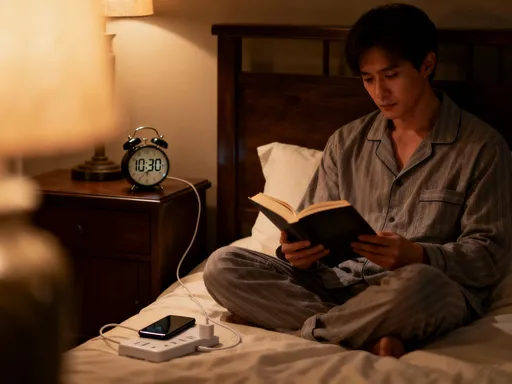
The first phase, the wind-down routine, begins 60 to 90 minutes before bedtime. This is not passive time, but intentional preparation for sleep. It involves disengaging from stimulating activities and transitioning into a state of calm. I started by setting a consistent end time for screen use—no phones, tablets, or television. Instead, I replaced screen time with low-stimulation activities: reading a physical book, gentle stretching, or listening to soft music. The goal is to signal to the brain that the day is ending and rest is approaching.
Lighting plays a crucial role in this phase. I installed dimmable lights and used warm-toned bulbs in the evening to support melatonin production. Bright, blue-rich light from screens and overhead lamps suppresses melatonin, the hormone responsible for sleep onset. By reducing light intensity and shifting to warmer hues, the body naturally begins to prepare for sleep. I also introduced a breathing practice—four seconds in, six seconds out—for five minutes before bed. This slow, controlled breathing activates the parasympathetic nervous system, which promotes relaxation and lowers heart rate.
The second phase, environment tuning, focuses on optimizing the bedroom for rest. I made sure the room was cool—between 60 and 67 degrees Fahrenheit—as a lower body temperature supports sleep initiation. I minimized noise by using a white noise machine, which masked sudden sounds that could disrupt light sleep. I also invested in blackout curtains to eliminate light pollution, even from streetlights or electronic devices. These changes were simple but powerful in creating a sanctuary for sleep.
The third phase, the mental reset, addresses the internal chatter that often keeps people awake. Instead of lying in bed reviewing the day’s stresses or planning tomorrow’s tasks, I developed a brief journaling practice. For five minutes, I wrote down any lingering thoughts, worries, or to-dos. This act of externalizing thoughts freed my mind from the need to remember them. I also practiced a mental rehearsal: visualizing myself sleeping peacefully, feeling relaxed and safe. This positive imagery helped replace anxiety with a sense of calm expectation.
Together, these three phases create a cohesive system that supports sleep on multiple levels. The wind-down routine regulates behavior, environment tuning supports physiology, and the mental reset addresses psychology. Over time, consistency strengthens the brain’s association between bedtime and sleep, making rest feel more natural and effortless.
How Your Day Shapes Your Night
Sleep does not begin at bedtime—it begins the moment you wake up. The choices made throughout the day have a profound impact on nighttime rest. One of the most powerful influences is morning sunlight exposure. Within 30 to 60 minutes of waking, I made it a habit to step outside, even for just 10 minutes. Natural light helps regulate the circadian rhythm by signaling to the brain that the day has started. This strengthens the body’s internal clock, making it easier to feel alert during the day and sleepy at night.
Meal timing also plays a role. Eating large, heavy meals late in the evening can disrupt digestion and interfere with sleep onset. I shifted my dinner to earlier in the evening and avoided spicy or acidic foods that could cause discomfort. I also limited fluids in the two hours before bed to reduce nighttime awakenings for bathroom trips. These small adjustments supported better sleep continuity without requiring drastic dietary changes.
Physical activity is another key factor. Regular movement, especially in the morning or afternoon, helps build sleep pressure—the natural drive to sleep that accumulates throughout the day. I incorporated moderate exercise, such as walking or yoga, into my daily routine. However, I avoided intense workouts within three hours of bedtime, as they can increase alertness and delay sleep onset. The goal is to support energy balance, not overstimulate the nervous system.
Caffeine is a well-known disruptor, but its effects are often underestimated. I used to drink coffee in the afternoon, not realizing it could still affect me at night. Research shows that caffeine has a half-life of up to six hours, meaning that even a midday cup can leave significant levels in the system by bedtime. I switched to herbal tea after 2 p.m. and noticed a clear improvement in my ability to fall asleep. Hydration, sunlight, movement, and meal timing—all these daily habits work together to create the right conditions for restful sleep.
Creating a Sleep-Friendly Environment
The bedroom should be a retreat designed for one purpose: sleep. Yet, many people use their beds for watching TV, working, or scrolling through phones. This blurs the mental association between the bed and wakefulness, making it harder to relax when it’s time to sleep. I retrained this association by using the bed only for sleep and intimacy. If I couldn’t fall asleep after 20 minutes, I got up and moved to another room until I felt sleepy. This reinforced the connection between bed and sleep, not frustration.
Comfort is essential, but it doesn’t require expensive upgrades. A supportive mattress and breathable bedding make a difference, but so do smaller details. I chose cotton sheets for their breathability and replaced synthetic pillows with ones that supported my neck without trapping heat. I also removed clutter from the bedroom—books, clothes, electronics—anything that made the space feel busy. A calm environment promotes a calm mind.
Noise control is another important factor. Even low-level sounds, like a humming refrigerator or distant traffic, can fragment sleep without full awakening. I used a white noise machine set to a gentle fan sound, which created a consistent auditory backdrop that masked disruptions. For those sensitive to light, a sleep mask can be an effective, low-cost solution. The goal is to minimize sensory input that could interfere with sleep maintenance.
Temperature regulation is often overlooked. A room that is too warm can prevent the natural drop in core body temperature needed for sleep onset. I kept my bedroom cool and used layered bedding so I could adjust warmth without getting up. I also avoided heavy pajamas and opted for lightweight, natural fabrics. These small changes added up to a more restful environment, where sleep could take hold and deepen without interruption.
When to Seek Professional Help
While lifestyle changes can resolve many cases of insomnia, there are times when professional support is necessary. Certain red flags indicate that an underlying medical condition may be contributing to sleep difficulties. Frequent loud snoring, gasping for air during sleep, or excessive daytime sleepiness could point to sleep apnea, a condition that requires medical evaluation and treatment. Similarly, persistent anxiety, racing thoughts, or depression may require therapy or medication to address.
It’s important to seek help without shame. Sleep is a vital health function, and struggling with it does not mean failure. A healthcare provider can perform assessments, recommend sleep studies if needed, and guide appropriate treatment. Cognitive Behavioral Therapy for Insomnia (CBT-I) is a highly effective, evidence-based approach that helps reframe negative thought patterns and build healthier sleep behaviors. Unlike medication, it addresses the root causes and offers long-term benefits.
Professional care and self-improvement are not mutually exclusive. In fact, they complement each other. Implementing lifestyle changes while working with a provider can lead to faster, more sustainable results. The key is to view sleep improvement as a holistic process—one that includes both personal effort and expert guidance when needed. Recognizing when to ask for help is a sign of strength, not weakness.
Sleep is not a problem to be solved overnight, but a practice to be cultivated over time. The journey from chronic insomnia to restful nights is not about perfection, but consistency. Small, intentional changes compound into lasting results. By understanding the science of sleep, addressing daily habits, optimizing the environment, and seeking support when necessary, better nights are not only possible—they are within reach. Rest is not a luxury. It is a vital act of self-care, a foundation for energy, clarity, and resilience. And with the right strategy, it can be reclaimed.