What I Learned from Anti-Aging Mistakes—And How to Avoid Them
We all want to age gracefully, but many of us unknowingly make choices that speed up the process. I once chased quick fixes, only to realize they did more harm than good. True anti-aging isn’t about magic creams or extreme routines—it’s about smart, sustainable rehabilitation methods. This journey taught me the real pitfalls and what actually works. If you're looking for honest insights backed by experience, keep reading. Your future self will thank you.
The Anti-Aging Illusion: When Good Intentions Backfire
Many women in their thirties and beyond begin to notice subtle shifts—the fine lines around the eyes, the slower recovery after a busy week, the skin that no longer bounces back as easily. In response, it’s natural to seek solutions. But too often, the pursuit of youth becomes a battle against the body, not a partnership with it. The anti-aging industry thrives on the promise of transformation, yet many of its most popular strategies are built on the flawed idea that aging is a problem to be fixed rather than a natural phase to be supported.
One of the most common mistakes is over-treatment. Take skincare, for example. Some women adopt regimens that include daily exfoliation, multiple serums, and weekly chemical peels, believing that more products mean better results. In reality, the skin’s protective barrier can become compromised, leading to dryness, irritation, and increased sensitivity. The stratum corneum, the outermost layer of the skin, functions best when intact. When it’s stripped too frequently, it loses its ability to retain moisture and defend against environmental stressors, ironically accelerating visible signs of aging.
Another misconception is equating sun avoidance with skin protection. While excessive UV exposure is a well-documented contributor to photoaging, complete avoidance of sunlight can disrupt vitamin D synthesis, which plays a vital role in immune function, bone health, and cellular repair. The key is not elimination but balance—short, regular exposure to morning or late afternoon sun, combined with protective clothing and broad-spectrum sunscreen when necessary.
Similarly, in the fitness world, there’s a growing trend toward high-intensity workouts marketed as youth-preserving. While physical activity is essential, chronic high-stress exercise without adequate recovery can elevate cortisol levels, promote inflammation, and impair tissue repair. The body interprets excessive strain as a threat, diverting resources away from long-term maintenance. Over time, this imbalance can manifest as fatigue, joint discomfort, and even hormonal irregularities—particularly in perimenopausal and menopausal women.
The deeper issue is mindset. When we approach aging with resistance, we set ourselves up for frustration. The goal should not be to look 25 at 50, but to feel strong, energized, and vibrant at every stage. This requires shifting from correction to care, from aggression to alignment. The body is not an enemy to be conquered but a complex, self-regulating system that thrives on consistency, rhythm, and respect.
Why Recovery Matters More Than Correction
Modern life often prioritizes output over restoration. We measure success by productivity, not by how well we recover. Yet, the science of aging reveals a different truth: longevity and vitality are not determined by how much we do, but by how effectively our bodies repair themselves. The real foundation of anti-aging lies not in erasing wrinkles, but in supporting the body’s innate ability to regenerate.
At the cellular level, aging is influenced by processes like oxidative stress, mitochondrial function, and telomere shortening. These are not fixed timelines but dynamic systems that respond to lifestyle inputs. When we prioritize recovery, we create the conditions for cellular renewal. Sleep, nutrition, stress management, and gentle movement all play roles in reducing inflammation and supporting DNA repair. Chronic stress, on the other hand, accelerates cellular aging by increasing free radical production and impairing the body’s ability to heal.
Consider the role of the nervous system. When it’s in a constant state of fight-or-flight, the body remains in survival mode, where repair mechanisms are deprioritized. Digestion slows, immune function dips, and tissue regeneration is delayed. Over time, this imbalance contributes to visible and internal signs of aging. In contrast, activating the parasympathetic nervous system—through practices like deep breathing, mindfulness, or restorative movement—signals safety, allowing the body to shift into repair mode.
This is where the concept of rehabilitative wellness becomes essential. Unlike corrective approaches that target symptoms, rehabilitative wellness focuses on restoring balance. It’s not about fixing a problem but maintaining a state of resilience. For example, instead of using a retinoid to reduce fine lines, rehabilitative wellness might emphasize improving sleep quality to boost natural collagen production. Instead of relying on stimulants to combat fatigue, it encourages regulating blood sugar through balanced meals and consistent eating patterns.
The beauty of this approach is its sustainability. It doesn’t demand perfection or extreme measures. It invites small, consistent choices that accumulate over time—choosing a walk in nature over a punishing gym session, opting for herbal tea instead of late-night scrolling, or simply pausing to breathe deeply during a stressful moment. These acts may seem minor, but they signal care to the body, reinforcing a rhythm of restoration that supports long-term health.
The Hidden Dangers of Over-Treatment
In the quest for youth, many women turn to aggressive interventions—intensive skincare treatments, restrictive diets, or frequent aesthetic procedures. While some of these can be beneficial when used appropriately, the risk lies in excess. Over-treatment, even with good intentions, can disrupt the body’s natural equilibrium and lead to unintended consequences.
Take chemical peels, for instance. When performed occasionally by a trained professional, they can improve skin texture and brightness. But when done too frequently or combined with other exfoliating products, they can damage the skin’s moisture barrier, increase sensitivity, and trigger inflammation. The skin responds to repeated trauma by thickening or becoming reactive, which can make it appear dull or uneven over time. What begins as a solution can become a source of chronic irritation.
Similarly, invasive cosmetic procedures, while advanced and often safe, require proper downtime for healing. Rushing back into daily stressors—lack of sleep, poor diet, or emotional strain—without allowing the body to recover can compromise results and increase the risk of complications. The body’s ability to heal is not infinite; it depends on available resources. If those are already depleted, even minor procedures can take longer to resolve or lead to suboptimal outcomes.
Dietary extremes are another area of concern. Intermittent fasting, for example, has gained popularity for its potential metabolic benefits. However, when practiced without attention to individual needs—especially in women over 40—it can disrupt hormone balance, affect sleep, and lead to nutrient deficiencies. The female endocrine system is particularly sensitive to energy availability. Prolonged caloric restriction or irregular eating patterns can signal famine, prompting the body to conserve energy by slowing metabolism and altering cortisol and thyroid hormone levels.
The underlying pattern is clear: the body responds poorly to chronic stress, whether physical, emotional, or metabolic. When we push too hard, ignore fatigue, or override natural signals, we create imbalances that manifest over time. The irony is that the very efforts meant to preserve youth can accelerate aging if not aligned with the body’s needs. True wellness is not about how much we do, but how well we listen. The most transformative changes often come not from adding more, but from stepping back, observing, and allowing the body to guide the way.
Rehabilitation Method #1: Movement as Medicine
Physical activity is one of the most powerful tools for healthy aging, but not all movement is created equal. While intense workouts have their place, the real secret lies in consistency and recovery. For women navigating the changes of midlife, low-impact, restorative movement offers profound benefits without the strain.
Walking, one of the simplest and most accessible forms of exercise, has been shown to support cardiovascular health, improve joint mobility, and enhance mood. A daily 30-minute walk, especially in natural settings, can reduce inflammation, regulate blood pressure, and support cognitive function. The rhythmic nature of walking also calms the nervous system, making it an ideal form of active recovery. Unlike high-intensity training, which can elevate stress hormones if overdone, walking promotes a balanced physiological state.
Tai chi and yoga are other excellent options. Both emphasize slow, mindful movement, breath awareness, and postural alignment. Studies have linked tai chi to improved balance, reduced fall risk, and better sleep quality in older adults. Yoga has been shown to decrease cortisol levels, increase flexibility, and support joint health. These practices also cultivate body awareness, helping women tune into subtle signals of tension or fatigue before they become chronic issues.
The key is sustainability. A sporadic, intense workout routine may yield short-term results, but it often leads to burnout or injury. In contrast, gentle, daily movement builds resilience over time. It strengthens muscles without overloading joints, improves circulation without spiking heart rate, and enhances coordination without risk of strain. For women managing perimenopausal symptoms like joint pain or fatigue, this approach is not just safer—it’s more effective in the long run.
Building a sustainable routine starts with realistic goals. Instead of aiming for an hour-long session, begin with 10 to 15 minutes a day. Focus on how the movement feels rather than how many calories it burns. Choose activities that bring joy—dancing in the kitchen, gardening, or stretching while listening to music. When movement is pleasurable, it becomes a habit, not a chore. Over time, these small investments compound, supporting mobility, energy, and emotional well-being far into the future.
Rehabilitation Method #2: Sleep That Repairs, Not Just Rests
Sleep is often viewed as passive downtime, but it is, in fact, one of the most active periods of bodily repair. During deep sleep, the brain clears metabolic waste, the immune system regenerates, and tissues undergo renewal. For women over 30, especially those approaching or experiencing menopause, sleep quality becomes a cornerstone of healthy aging.
However, not all sleep is equally restorative. Passive sleep—simply being in bed without falling into deep, uninterrupted cycles—does little to support cellular repair. In contrast, active recovery sleep is characterized by consistent sleep-wake timing, minimal disruptions, and alignment with natural circadian rhythms. This type of sleep optimizes the body’s ability to heal and rejuvenate.
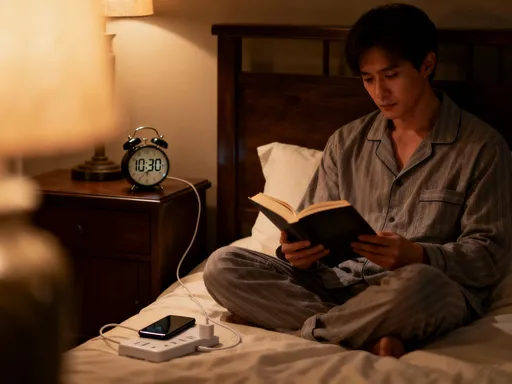
The circadian rhythm, governed by light exposure and internal biological clocks, regulates the release of hormones like melatonin and cortisol. When this rhythm is disrupted—by late-night screen use, irregular schedules, or stress—the body struggles to transition into restorative sleep phases. Melatonin, essential for sleep onset and antioxidant activity, is particularly sensitive to blue light. Even brief exposure to phones or tablets in the evening can delay its release, making it harder to fall asleep and reducing sleep quality.
Creating a sleep-supportive environment is crucial. This includes keeping the bedroom cool, dark, and quiet, using blackout curtains if necessary, and minimizing electronic devices. Establishing a wind-down ritual—such as reading a book, sipping herbal tea, or practicing gentle stretching—signals to the body that it’s time to shift into rest mode. Consistency is key: going to bed and waking up at the same time every day, even on weekends, strengthens the circadian rhythm and improves sleep efficiency.
The benefits extend beyond feeling rested. Quality sleep enhances collagen production, supports detoxification pathways in the liver and brain, and stabilizes mood-regulating neurotransmitters. It also plays a role in weight management by regulating hunger hormones like leptin and ghrelin. For women experiencing hormonal shifts, good sleep can ease symptoms like night sweats, irritability, and brain fog. Rather than chasing sleep aids or supplements, the focus should be on cultivating habits that honor the body’s natural rhythms.
Rehabilitation Method #3: Nutrition for Cellular Renewal
Nutrition is not just about fueling the body—it’s about providing the raw materials for repair and regeneration. As we age, the body’s ability to absorb nutrients and neutralize oxidative stress declines, making dietary choices even more impactful. The goal is not restriction, but nourishment: eating in a way that supports internal balance and long-term vitality.
Whole, minimally processed foods are the foundation of this approach. Fruits, vegetables, legumes, whole grains, nuts, seeds, and healthy fats provide antioxidants, fiber, and phytonutrients that protect cells from damage. These compounds help neutralize free radicals, reduce inflammation, and support mitochondrial function—the energy factories within cells. Rather than focusing on isolated nutrients or trendy superfoods, the emphasis should be on dietary patterns that promote consistency and enjoyment.
Eating in rhythm with natural light is another supportive practice. Aligning meals with daylight hours—eating the largest meal earlier in the day and finishing dinner several hours before bedtime—supports digestion and metabolic health. This pattern aligns with the body’s circadian metabolism, improving insulin sensitivity and reducing nighttime fat storage. It also gives the digestive system time to rest, which is essential for gut health and immune function.
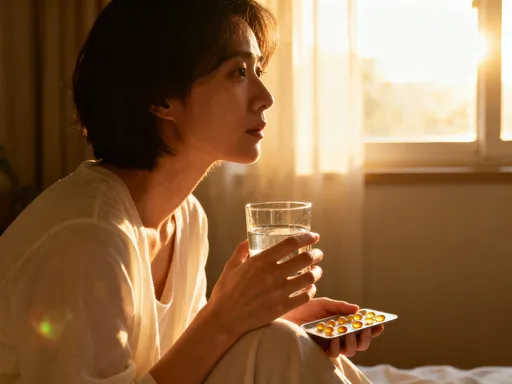
Hydration is equally important. Water supports every physiological process, from nutrient transport to waste elimination. Dehydration can manifest as fatigue, dry skin, and reduced cognitive function—symptoms often mistaken for aging. Sipping water throughout the day, especially upon waking and before meals, helps maintain optimal function. Herbal teas and water-rich foods like cucumbers and melons also contribute to fluid balance.
Finally, the act of chewing slowly and mindfully enhances digestion and nutrient absorption. When we eat quickly, we swallow more air, increase the risk of bloating, and reduce the efficiency of enzyme release. Taking time to chew thoroughly not only improves digestion but also fosters a sense of presence and satisfaction, reducing the tendency to overeat. These small habits—eating with intention, staying hydrated, and choosing whole foods—create a foundation for sustained energy, clear skin, and mental clarity.
Putting It All Together: A Sustainable Anti-Aging Mindset
True anti-aging is not a destination but a daily practice—a series of small, intentional choices that honor the body’s wisdom. It’s not about erasing the years, but about cultivating resilience, energy, and well-being at every stage of life. The most powerful shift is not in what we apply to the skin or how we train the body, but in how we relate to the aging process itself.
When we replace fear with curiosity, resistance with acceptance, and aggression with care, we open the door to lasting change. The body responds not to force, but to consistency, rhythm, and kindness. A morning walk, a nourishing meal, a restful night’s sleep—these are not minor acts, but the building blocks of a vibrant life.
The women who age with grace are not those who fight the process, but those who listen to it. They notice when they’re tired and rest. They eat when they’re hungry and stop when they’re full. They move in ways that feel good and pause when they need to. They understand that health is not a static state, but a dynamic balance that requires attention and adjustment.
By embracing a rehabilitative approach—focusing on recovery, not correction—we align with the body’s natural intelligence. We support its ability to repair, renew, and thrive. And in doing so, we don’t just slow aging. We enrich life. The years ahead are not something to dread, but an opportunity to live with greater presence, purpose, and vitality. Your future self is already thanking you—for every gentle choice, every moment of care, every act of listening. Because real beauty isn’t in looking young. It’s in feeling alive.