How Moving Every Day Keeps Trouble at Bay – My Real Talk on Staying Strong
You don’t need a gym membership or perfect routine to feel better—just movement. I used to think exercise was only for weight loss or six-pack abs, but over time, I realized something deeper: moving daily builds resilience. It’s not about intensity; it’s about consistency. This is how regular physical activity quietly strengthens your body’s defenses, lowers risks, and keeps illness far from your door. Let me break down what actually works—and why it might be the smartest long-term health move you’ll ever make.
The Hidden Shield: Exercise as Prevention, Not Just Fitness
For many, the word “exercise” brings to mind treadmills, spandex, and calorie counting. But in reality, physical activity is one of the most powerful tools we have for disease prevention—and it doesn’t require a fitness studio or a personal trainer. When we move our bodies regularly, we're not just shaping our appearance; we're building an internal defense system. Chronic illnesses such as heart disease, type 2 diabetes, and certain cancers often develop silently over years, fueled by inactivity, poor circulation, and metabolic imbalances. Regular movement helps disrupt these patterns before they take root.
Consider heart disease, the leading cause of death worldwide. It doesn’t appear overnight. It starts with plaque buildup in arteries, high blood pressure, and stiffening blood vessels—conditions that thrive in sedentary lifestyles. But studies consistently show that even moderate physical activity, like brisk walking for 30 minutes most days, can reduce the risk of heart disease by up to 30%. The heart is a muscle, and like any muscle, it becomes stronger and more efficient with use. When you move, your heart pumps more effectively, your blood pressure stabilizes, and your circulation improves, all of which reduce strain on the cardiovascular system.
Similarly, type 2 diabetes, once considered an inevitable outcome for some, is highly preventable through lifestyle. Insulin resistance—the hallmark of this condition—develops when cells stop responding well to insulin, often due to prolonged inactivity and excess body fat. Physical activity helps reverse this process by making cells more sensitive to insulin, allowing glucose to be used for energy rather than stored. Research from the Diabetes Prevention Program shows that lifestyle changes, including regular movement, reduced the risk of developing type 2 diabetes by 58% in high-risk adults—outperforming medication in long-term effectiveness.
And then there’s cancer. While no single behavior guarantees protection, evidence links physical activity to a lower risk of several cancers, including colon, breast, and endometrial cancers. Scientists believe this is due to exercise’s ability to regulate hormones like estrogen and insulin, reduce inflammation, and support a stronger immune system. For women, even 3–4 hours of walking per week has been associated with a significantly lower risk of breast cancer, especially after menopause.
Beyond disease statistics, there’s a quieter benefit: functional independence. The ability to climb stairs without breathlessness, carry groceries without strain, or play with grandchildren without pain—these are not small things. They are the markers of a life lived with strength and dignity. Regular movement preserves muscle mass, joint flexibility, and balance, all of which decline with age but can be slowed dramatically through consistent activity. Prevention isn’t just about avoiding doctor visits; it’s about preserving the quality of everyday life.
Why Your Body Treats Movement Like Medicine
The human body was built to move. From an evolutionary standpoint, our ancestors walked miles daily, carried heavy loads, and engaged in constant physical labor. Today, many of us spend hours sitting—at desks, in cars, on couches. This shift has created a biological mismatch: our bodies expect movement, but we’re giving them stillness. The result? Systems begin to slow down, weaken, and malfunction. But when we reintroduce movement, even in small doses, the body responds like a machine coming back to life.
Take circulation. When you walk, your leg muscles contract and help pump blood back to your heart. This improves venous return and reduces the risk of blood pooling, which can lead to varicose veins or clots. At the same time, regular activity helps keep arteries flexible and reduces arterial stiffness—a key factor in preventing hypertension and stroke. The better your blood flows, the more efficiently oxygen and nutrients reach your organs, and the faster waste products are removed.
Inflammation is another silent threat that movement helps control. Chronic low-grade inflammation is linked to nearly every major disease, from arthritis to Alzheimer’s. While acute inflammation is a healthy immune response to injury, chronic inflammation wears down tissues over time. Physical activity reduces levels of inflammatory markers like C-reactive protein (CRP) and interleukin-6. It does this by promoting the release of anti-inflammatory cytokines and improving the function of immune cells. In essence, movement signals to your body that it’s in a state of balance, not stress.
Hormonally, exercise acts like a reset button. Cortisol, the stress hormone, tends to rise with inactivity and emotional strain. High cortisol over time can lead to weight gain, sleep disturbances, and weakened immunity. But physical activity helps regulate cortisol levels, especially when done consistently. At the same time, movement triggers the release of endorphins—natural mood lifters that reduce pain and enhance feelings of well-being. This is why many people report feeling calmer, clearer, and more optimistic after even a short walk.
And let’s not forget insulin sensitivity. When you move, your muscles use glucose for fuel, which lowers blood sugar naturally. This reduces the demand on the pancreas to produce insulin and keeps cells responsive. Over time, this metabolic efficiency protects against insulin resistance and fatty liver disease—two growing concerns in modern society. The beauty is that you don’t need to run a marathon. A 10-minute walk after dinner can significantly blunt the blood sugar spike that follows a meal, especially in older adults or those with prediabetes.
All of this happens quietly, beneath the surface. You may not feel your CRP levels dropping or your arteries becoming more elastic, but these changes are real. Movement isn’t a luxury; it’s a biological necessity. And the best part? It doesn’t have to be structured or strenuous. Standing up to stretch, pacing while on the phone, or dancing while cooking—these small acts add up and signal to your body that it’s being cared for.
The Real-Life Impact: What Changes When You Move More
The benefits of daily movement aren’t just measurable in labs or medical charts—they’re felt in the rhythm of everyday life. People who make physical activity a habit often notice subtle but meaningful shifts: they sleep more soundly, wake with more energy, and handle daily stress with greater ease. They report fewer colds, less joint stiffness, and an overall sense of being more “in tune” with their bodies. These aren’t coincidences—they’re direct outcomes of a body that’s moving regularly.
Better sleep is one of the most commonly reported benefits. Physical activity helps regulate the body’s internal clock, or circadian rhythm, by increasing the production of melatonin at night. It also reduces anxiety and muscle tension, two common barriers to restful sleep. Studies show that people who engage in moderate exercise, even late in the day, fall asleep faster and spend more time in deep, restorative sleep. This is especially valuable for women in midlife, when hormonal changes can disrupt sleep patterns.
Energy levels also improve—not immediately, perhaps, but over time. It may seem counterintuitive: how can expending energy lead to having more of it? But the body adapts. As your cardiovascular system becomes more efficient, your muscles learn to use oxygen better, and your mitochondria (the energy powerhouses of cells) multiply. This means your body can produce energy more effectively, reducing that mid-afternoon slump and making daily tasks feel less taxing.
Mood is another area where movement makes a noticeable difference. While it’s not a cure for clinical depression or anxiety, regular physical activity is a powerful mood stabilizer. It increases the availability of neurotransmitters like serotonin and dopamine, which play key roles in emotional regulation. Many women find that a daily walk becomes a form of moving meditation—a time to clear their minds, process emotions, and return to their day with greater clarity. The rhythmic motion, fresh air, and change of scenery all contribute to a mental reset.
Immune function also strengthens with consistent movement. Moderate exercise enhances the circulation of immune cells, allowing them to patrol the body more effectively. This doesn’t mean you’ll never get sick, but it does mean your body may respond faster and recover more quickly. Observational studies suggest that people who are regularly active experience fewer upper respiratory infections—like colds and bronchitis—than their sedentary peers. One study found that walking briskly for 30–45 minutes five days a week reduced sick days by nearly 50% during cold and flu season.
Over the long term, these small gains accumulate into something profound: resilience. Active individuals tend to recover faster from illness, adapt better to physical challenges, and maintain independence longer as they age. They’re less likely to require assistive devices or experience falls. This isn’t about living forever—it’s about living well. And it starts with the simple decision to move, day after day.
No Gym? No Problem: Simple Ways to Build Daily Movement
One of the biggest misconceptions about physical activity is that it requires special equipment, a lot of time, or a certain level of fitness. The truth is, the most effective movement is the kind you can do consistently, right where you are. You don’t need a gym, a playlist, or even workout clothes. What you need is intention and a willingness to weave movement into the fabric of your day.
Start with walking. It’s free, accessible, and one of the most studied forms of exercise. A 10-minute walk after each meal can improve blood sugar control, aid digestion, and break up long periods of sitting. If you work from home, step outside between calls. If you’re caring for family, push a stroller or walk with a pet. Even walking around the house—while folding laundry, waiting for the kettle to boil, or talking on the phone—counts. The key is to interrupt sedentary time. Sitting for long stretches slows metabolism and increases health risks, so aim to stand or move for a few minutes every hour.
Household chores are another underrated form of movement. Vacuuming, mopping, gardening, and carrying groceries all engage major muscle groups and elevate heart rate. These activities build functional strength—the kind that helps you lift a suitcase, carry a child, or rearrange furniture without strain. Instead of viewing chores as burdens, reframe them as opportunities to move. Dance while you clean, stretch while you wait for the oven, or do calf raises while brushing your teeth.
Habit stacking is a powerful strategy for making movement automatic. Pair a new activity with an existing habit. For example: after you pour your morning coffee, do five minutes of stretching. After you hang up the phone, take a lap around the house. When the TV show ends, stand up and march in place for two minutes. These micro-moments add up. Over a week, they can amount to several hours of movement—without requiring a single “workout.”
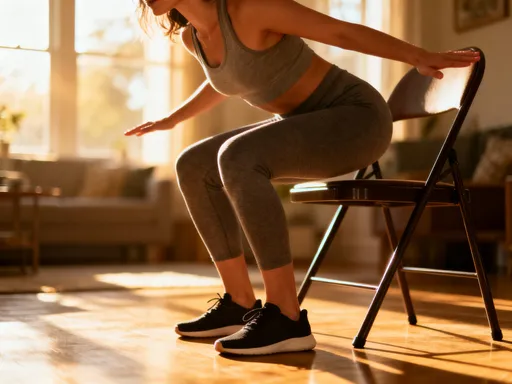
For those with limited mobility or joint concerns, seated movements are still beneficial. Arm circles, ankle rolls, shoulder shrugs, and seated marching all promote circulation and joint health. Chair yoga and tai chi videos are widely available online and can be done at home with minimal space. The goal isn’t intensity—it’s consistency. Five days of gentle movement is more protective than one intense session followed by four days of inactivity.
The message is clear: you don’t have to “exercise” to benefit from movement. You just have to move. And the more you can connect it to things you already do, the more sustainable it becomes.
Finding What Sticks: Matching Activity to Lifestyle
Not all movement feels the same, and what works for one person may feel like a chore to another. The secret to long-term success isn’t finding the “best” exercise—it’s finding the one you’ll actually do. Some people love the rhythm of walking, while others prefer the structure of a yoga class. Some enjoy the solitude of a morning stretch, while others thrive in group dance sessions. The goal is to explore and discover what brings you joy, energy, and a sense of accomplishment.
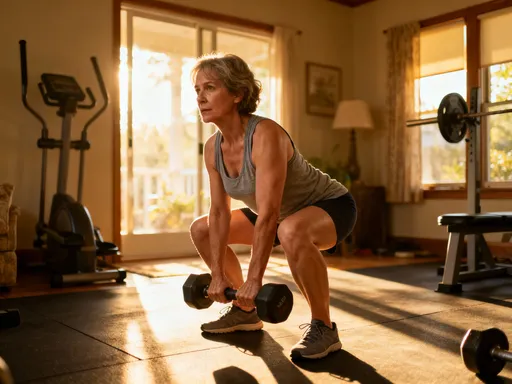
Brisk walking is one of the most accessible options. It requires no skill, minimal gear, and can be done almost anywhere. Walking with a friend adds social connection, which further boosts mental health. Cycling, whether on a stationary bike or outdoors, is gentle on the joints and great for building endurance. Swimming offers full-body resistance with zero impact—ideal for those with arthritis or joint pain. Bodyweight exercises like squats, lunges, and wall push-ups can be done in a small space and help maintain muscle strength, which naturally declines with age.
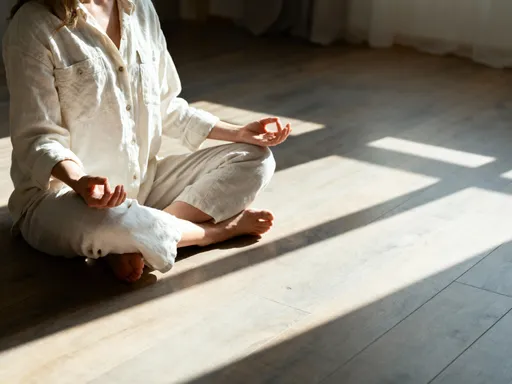
Tai chi and gentle yoga emphasize balance, flexibility, and breath control—qualities that become increasingly important as we age. These practices also reduce stress and improve body awareness, helping you move with greater confidence and less fear of falling. Dancing, whether freestyle in your living room or in a structured class, combines cardio, coordination, and fun. It’s a form of movement that doesn’t feel like exercise, yet delivers powerful health benefits.
Experimentation is key. Try three different activities over a few weeks. Notice how each one makes you feel—not just during, but afterward. Do you feel energized? Calmer? More alert? These post-activity feelings are strong predictors of long-term adherence. If a workout leaves you drained or sore in a negative way, it may not be the right fit. But if it leaves you feeling lighter, stronger, or more centered, you’ve likely found a keeper.
Motivation will ebb and flow—that’s normal. On low-energy days, scale back. A five-minute stretch is better than nothing. Focus on the act of showing up, not the duration or intensity. Over time, the habit becomes its own reward. You’ll begin to miss the clarity and calm that movement brings, and that desire to feel good will become your greatest motivator.
Common Myths That Hold People Back
Despite the overwhelming evidence, many people hesitate to start moving because of deeply held myths. One of the most persistent is the belief that exercise must be intense to count. This couldn’t be further from the truth. While vigorous activity has benefits, moderate movement—like walking, gardening, or light housework—delivers substantial health gains. The body doesn’t keep score based on sweat; it responds to motion. Ten minutes here, 15 minutes there—these fragments add up to real protection.
Another myth is that only certain types of exercise matter. Running is great, but so is swimming. Weightlifting builds strength, but so does carrying groceries or playing with children. The idea that “real” exercise must look a certain way excludes countless people and discourages those who find traditional workouts unappealing. Any movement that gets your body engaged and your heart gently elevated counts.
Perhaps the most damaging myth is that it’s too late to start. Many believe that if they haven’t been active their whole lives, beginning now won’t make a difference. But research proves otherwise. Adults who start exercising in their 50s, 60s, or even 70s still experience significant improvements in heart health, balance, strength, and cognitive function. The body remains adaptable throughout life. It’s never too late to build resilience.
Concerns about pain or fatigue are also common barriers. Joint discomfort, low energy, or chronic conditions can make movement seem impossible. But in most cases, the right kind of movement can actually reduce pain and boost energy. The key is to start slowly, listen to your body, and modify as needed. Water-based exercises, chair routines, and gentle stretching can be excellent starting points. Always consult a healthcare provider before beginning a new routine, especially if you have existing health concerns—but don’t assume inactivity is the safer choice.
Finally, let go of the idea that you have to do it perfectly. Missed a day? That’s okay. Too tired for a walk? Try stretching instead. The goal isn’t perfection—it’s progress. Every time you move, you’re reinforcing a habit that protects your health. And over time, those small choices become a powerful shield.
Building a Sustainable Routine: From “Trying” to “Living It”
The shift from occasional movement to a sustainable routine happens not through willpower, but through mindset. When exercise is seen as punishment for eating too much or a chore to “earn” food, it’s hard to stick with. But when it’s reframed as self-care—a way to honor your body and protect your future—it becomes a gift, not a burden.
Focus on non-scale victories. Instead of tracking pounds lost, notice how your clothes fit, how you feel climbing stairs, or how rested you are in the morning. Keep a simple journal: “Today I walked 15 minutes. I felt calm afterward.” These observations reinforce the intrinsic rewards of movement and help you stay connected to your why.
Start small. Commit to just 10 minutes a day for two weeks. Choose something easy and enjoyable—walking, stretching, dancing. The goal is to build confidence and consistency, not to push limits. After two weeks, you’ll likely notice subtle changes: a little more energy, a little less stiffness. That’s momentum. From there, you can gradually increase duration or try new activities.
Make it social when possible. Invite a friend for a walk, join a community class, or exercise with a family member. Shared experiences increase accountability and make movement more enjoyable. But if solitude is your preference, that’s equally valid. The best routine is the one that fits your life, not someone else’s.
Remember, this isn’t about achieving a certain look or fitting into a dress. It’s about building a body that can carry you through life with strength, balance, and vitality. It’s about reducing your risk of illness, maintaining independence, and feeling capable in your own skin. And it starts with a single step—literally.
Exercise isn’t a quick fix—it’s a lifelong shield. By making movement a regular part of your day, you’re not chasing aesthetics; you’re investing in a stronger, more resilient body that can resist illness and adapt to life’s demands. The best part? It doesn’t require extremes. What matters is showing up, again and again, in whatever way you can. That’s how real, lasting health begins—not with a miracle, but with motion. Always remember: consult a healthcare provider before starting any new routine, especially with existing conditions.