How I Finally Found My Balance — And Why It Changed Everything
Balance isn’t just about not falling over — it’s a quiet foundation for how we move, live, and age. I used to take it for granted until a small stumble made me realize how much I relied on it. Turns out, balance ability is a key marker of overall health, linked to confidence, independence, and injury prevention. The good news? It’s trainable at any age. Let’s explore how becoming more body-aware can quietly transform your daily life.
The Hidden Crisis of Poor Balance
Many people assume that balance is only a concern for older adults or professional athletes. This common misconception leaves a significant gap in how most individuals approach their physical well-being. In reality, balance begins to decline as early as age 30, according to general research on neuromuscular function, even though the effects may not become noticeable until years later. A momentary loss of stability — such as tripping on a curb, wobbling while stepping off a curb, or nearly losing footing on a slippery floor — is more than just an embarrassing incident. It can be an early warning sign of deteriorating sensorimotor integration.
These everyday missteps are not isolated events. They reflect a broader trend in modern lifestyles where physical stability is undertrained and undervalued. For women between the ages of 30 and 55, who often juggle work, family responsibilities, and household management, physical awareness can easily take a back seat to daily demands. Standing in the kitchen, reaching for a high shelf, or walking down stairs with a laundry basket — all require subtle balance adjustments that go unnoticed until something goes wrong. When the body struggles to make these micro-corrections efficiently, confidence in movement begins to erode.
What many don’t realize is that poor balance doesn’t just increase the risk of falls — it can diminish quality of life long before any serious injury occurs. People may start avoiding certain activities, such as hiking on uneven terrain, dancing at a family event, or even walking briskly in crowded spaces, simply because they feel less secure on their feet. This self-imposed limitation can lead to reduced physical activity, which in turn accelerates muscle weakness and joint stiffness, creating a cycle of decline. The good news is that balance is not a fixed trait. It is a dynamic skill that can be improved at any stage of life with consistent, mindful practice.
Why Balance Reflects Overall Health
Balancing on one foot may seem like a simple act, but it involves a complex network of systems working in harmony. The human body relies on three primary inputs to maintain equilibrium: vision, the vestibular system in the inner ear, and proprioception — the body’s ability to sense where its parts are in space. These systems constantly communicate with the brain to make tiny adjustments in muscle tension, joint position, and posture. When one component is impaired — for example, if vision is obstructed or the inner ear is affected by fluid changes — the others must compensate to prevent a fall.
This intricate coordination is why balance serves as a powerful indicator of overall health. Strong balance reflects healthy neurological communication, efficient muscle recruitment, and stable joint mechanics. It shows that the brain and body are working together seamlessly. In contrast, declining balance can signal underlying issues such as reduced nerve sensitivity, muscle atrophy, or impaired cognitive processing related to movement. Studies have shown that individuals with better balance tend to have stronger executive function, suggesting a link between physical stability and mental clarity.
Moreover, balance plays a crucial role in maintaining independence as we age. The ability to recover from a stumble or adjust posture quickly when carrying groceries is essential for safe, confident living. Poor balance increases the likelihood of falls, which remain a leading cause of injury-related hospitalizations among adults over 50. But even before that point, subtle balance deficits can affect posture, gait efficiency, and energy levels. Improving balance isn’t just about preventing accidents — it’s about enhancing everyday functionality and preserving autonomy.
For women managing busy households and active family lives, maintaining this foundational skill means being able to keep up with children, handle physical tasks around the home, and participate fully in social and recreational activities without fear of instability. It supports everything from walking the dog to navigating a grocery store aisle confidently. By treating balance as a vital sign of physical awareness, much like blood pressure or heart rate, individuals can take proactive steps to monitor and strengthen it throughout adulthood.
The Mind-Body Gap: Why We Lose Balance Awareness
In today’s world, our bodies are often disconnected from the feedback they naturally receive during movement. Long hours spent sitting at desks, driving, or scrolling through digital devices reduce opportunities for dynamic postural changes and sensory engagement. The human body is designed to move frequently and respond to varied environments, yet modern routines encourage stillness and repetition. This sedentary pattern weakens the neuromuscular pathways responsible for balance, leading to what some experts describe as a growing mind-body gap — a disconnection between physical sensation and conscious awareness.
When we spend most of our day in chairs with limited foot movement, wearing supportive shoes on flat surfaces, our feet become less sensitive to ground textures and slopes. Over time, the brain receives fewer signals from the soles of the feet, which are rich in nerve endings designed to detect pressure, vibration, and tilt. This diminished sensory input reduces the body’s ability to make rapid, automatic adjustments to maintain balance. Similarly, constant screen focus pulls attention away from bodily sensations, making it harder to notice subtle shifts in posture or weight distribution.
Think of it this way: your body is always talking — sending signals about alignment, tension, and movement — but are you listening? Just as ignoring a car’s warning light can lead to bigger mechanical problems, overlooking small signs of instability can result in larger physical consequences down the road. The concept of health consciousness involves intentionally tuning in to these bodily messages. It means pausing to notice how you stand while waiting in line, how your weight shifts when turning, or whether one leg feels stronger than the other during daily activities.
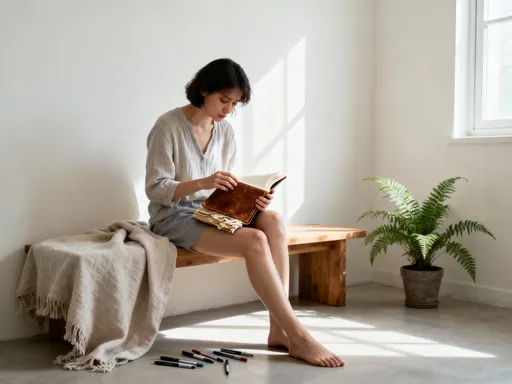
Rebuilding this connection requires deliberate attention. Simple practices like standing mindfully, observing posture in mirrors, or doing brief body scans can begin to restore awareness. The goal is not perfection but presence — learning to inhabit your body more fully in each moment. As this awareness grows, so does the ability to respond quickly and effectively to changes in balance, whether stepping off a curb or catching yourself during a slip. Closing the mind-body gap is not about adding more to your schedule; it’s about transforming routine moments into opportunities for physical reconnection.
Simple Daily Habits That Rewire Your Balance
The beauty of improving balance lies in its accessibility. You don’t need special equipment, a gym membership, or hours of training. What matters most is consistency and intention. Three evidence-based, low-effort practices — single-leg standing, heel-to-toe walking, and slow weight shifting — can significantly enhance stability when done regularly. These exercises work by reinforcing the neural connections between the brain and muscles, improving coordination, and increasing joint awareness.
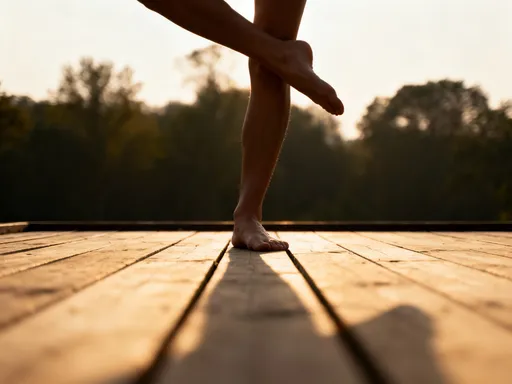
Single-leg standing is one of the most effective and easiest ways to train balance. Start by holding onto a counter or chair for support, then lift one foot slightly off the ground. Aim to hold the position for 20 to 30 seconds, then switch sides. As stability improves, gradually reduce hand support and eventually try it with eyes closed, which challenges the vestibular and proprioceptive systems further. Performing this exercise while brushing your teeth turns a daily habit into a dual-purpose activity, making it easier to stick with over time.
Heel-to-toe walking, also known as tandem gait, mimics the motion of walking on a straight line. Take small, controlled steps with the heel of one foot touching the toes of the other. This narrows the base of support and forces the body to engage core muscles and fine-tune balance. Practice this along a hallway or in an open space for 10 to 15 steps, focusing on maintaining an upright posture and steady pace. Like single-leg stands, this can be done during short breaks or while moving between rooms.
Slow weight shifts involve rocking the body forward and backward or side to side while keeping the feet planted. This helps develop control over center-of-mass movement and enhances ankle mobility — a key component of balance. Begin with small movements and increase range gradually. These practices don’t require intensity; even 60 seconds a day can yield measurable improvements over weeks. The key is regularity. Over time, the brain learns to anticipate and correct instability more efficiently, leading to smoother, more confident movement in real-life situations.
Footwear and Surfaces: The Ground Beneath You Matters
What you wear on your feet and where you walk play a surprisingly large role in balance health. Modern footwear, especially highly cushioned shoes and flat-soled sneakers, can actually reduce sensory feedback from the ground. While comfort is important, excessive padding dampens the signals sent from the soles of the feet to the brain, weakening the body’s natural ability to detect subtle changes in terrain. Similarly, spending most of the day on uniform, flat surfaces like hardwood or tile floors limits the variety of input the feet receive, contributing to stiffness and reduced adaptability.
One way to counteract this is to spend short periods barefoot on safe, textured surfaces. Walking on grass, sand, or even bathroom tiles allows the foot’s 200,000 nerve endings to engage more fully with the environment. This sensory stimulation strengthens the small muscles in the feet and improves communication between the feet and the brain. For women who spend long hours at home, going barefoot during household tasks can be both practical and beneficial, provided the environment is clean and free of hazards.
Another option is incorporating minimalist footwear into certain activities. These shoes feature thinner soles, less arch support, and greater flexibility, allowing the foot to move more naturally. While not suitable for all situations — especially those requiring prolonged standing or high impact — they can be helpful for short walks, light gardening, or indoor use. The goal is not to abandon supportive shoes entirely but to introduce variety in foot loading and sensory experience.
It’s important to transition gradually. Sudden changes in footwear or surface exposure can lead to discomfort or strain, especially if the feet and lower legs have been underused for years. Start with five to ten minutes a day and slowly increase duration as strength and sensitivity improve. Over time, this enhanced foot awareness contributes to better balance, improved posture, and a greater sense of physical connection to the ground beneath you.
Mindful Movement: Yoga, Tai Chi, and Everyday Awareness
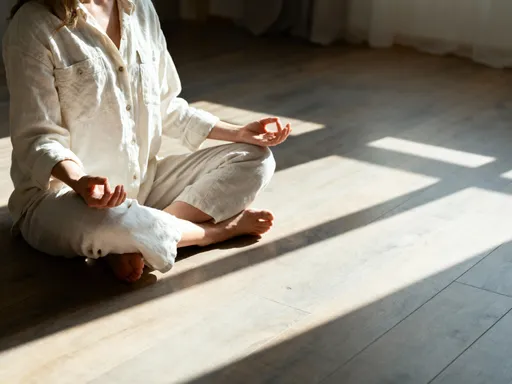
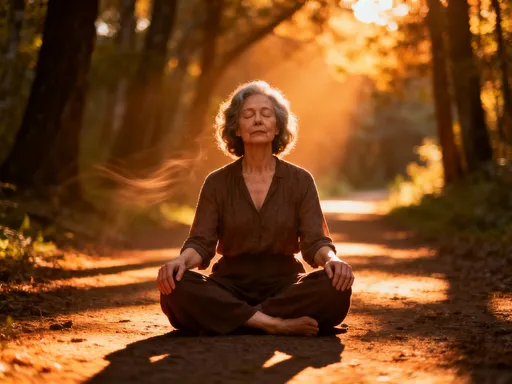
Mind-body disciplines such as yoga and tai chi offer structured yet gentle ways to improve balance through controlled, intentional movement. Both practices emphasize body awareness, breath coordination, and centering, making them ideal for women seeking sustainable ways to enhance stability without high-impact exercise. Unlike fast-paced workouts, these forms teach how to move with precision, control, and presence — qualities that directly translate to better balance in daily life.
Yoga includes poses like the tree pose, where one foot is placed on the inner thigh or calf while arms are raised overhead. This pose challenges single-leg stability while encouraging focus and breath awareness. Other beneficial postures include warrior III, which combines forward lean with leg extension, and mountain pose, which cultivates upright alignment and groundedness. Practicing these sequences regularly strengthens the core, ankles, and hips — all critical for balance — while also promoting mental calm and concentration.
Tai chi, often described as “meditation in motion,” uses flowing, slow-motion movements that shift weight gradually from one leg to the other. Each movement is deliberate, requiring constant attention to posture, alignment, and breath. Research has shown that tai chi can significantly reduce fall risk in older adults, but its benefits extend to younger populations as well. Even a 10-minute daily routine can enhance coordination, joint mobility, and spatial awareness.
For those new to these practices, starting with short at-home sessions is effective. Online videos, community classes, or mobile apps can guide beginners through foundational sequences. The emphasis should be on form and mindfulness rather than duration or difficulty. Over time, the skills developed in these practices — such as maintaining center, shifting weight smoothly, and staying present in the body — begin to influence everyday actions, from climbing stairs to turning quickly in the kitchen. These are not just physical benefits; they are forms of mental grounding that support overall well-being.
Building a Sustainable Balance Practice
Sustaining a balance practice doesn’t require dramatic changes or rigid routines. The most effective approach is one that integrates seamlessly into daily life and evolves with your abilities. Tracking progress can be motivating, even when improvements are subtle. For example, you might notice that you no longer grab the railing when going downstairs, or that you feel steadier when carrying a heavy pot from the stove. These small victories reflect real gains in neuromuscular control and confidence.
A simple way to monitor improvement is through weekly check-ins. Try timing how long you can stand on one leg with eyes open, then with eyes closed. Record the duration and observe changes over weeks. You may find that what once felt shaky becomes stable, or that you can maintain balance longer without hand support. These measurable shifts reinforce the value of consistent effort and provide tangible evidence of progress.
Motivation grows when balance gains are linked to meaningful, real-life benefits. Carrying groceries up a flight of stairs, playing with children at the park, or walking confidently on a rocky trail become easier and safer. Instead of viewing balance training as another chore, reframe it as an investment in freedom — the freedom to move without hesitation, to engage in activities you love, and to maintain independence as you age.
Remember, this journey is not about achieving perfection. There will be days when balance feels off due to fatigue, stress, or minor illness. That’s normal. The goal is not flawless performance but increased awareness and resilience. By showing up for your body in small, consistent ways, you build a foundation of stability that supports every aspect of life. Over time, these moments of mindful movement accumulate into a deeper, more trusting relationship with your physical self.
Improving balance isn’t about mastering circus tricks — it’s about reclaiming a deeper connection with your body. By paying attention to how you stand, move, and respond to the ground beneath you, you cultivate not just stability, but a stronger sense of health awareness. These small, daily acts of physical mindfulness add up to something powerful: a body you trust, and a life lived with greater ease.